Strategic Infrastructure and Private-Sector Efficiency: Paris's Decades-Long Cooling Solution Pays Off
A highly structured public-private partnership is tripling a 1990s-era underground network to protect critical assets and manage energy demands without grid-straining regulations.
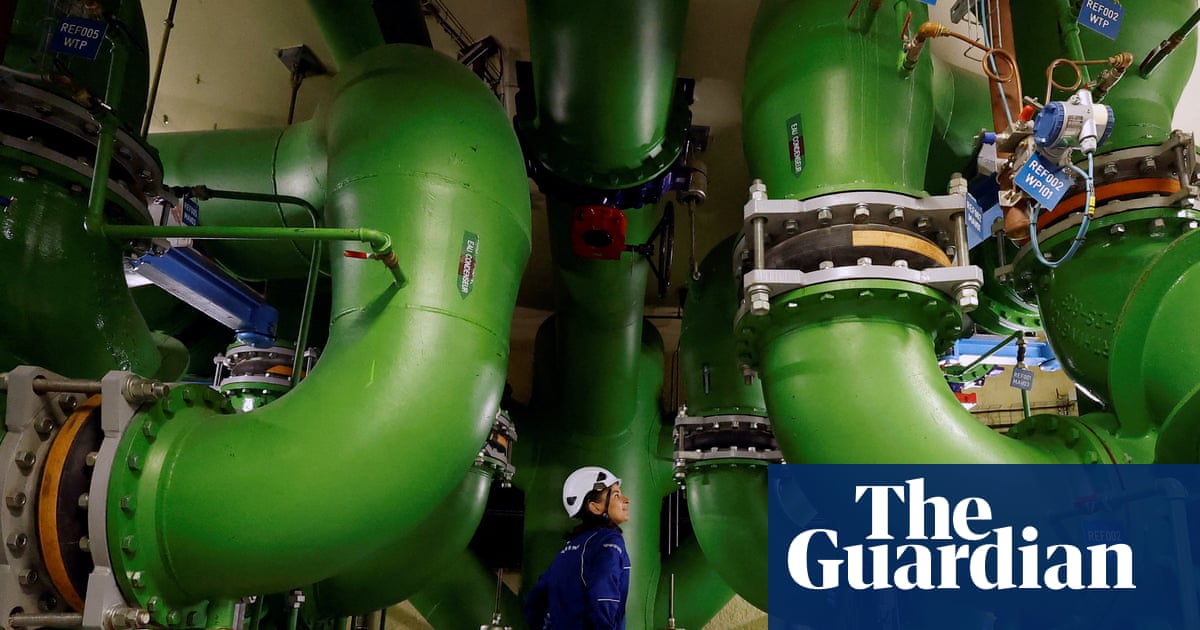
In an era where many cities react to rising temperatures with hasty regulations, short-term spending, and individual energy-guzzling appliances, Paris is demonstrating the value of disciplined, long-term capital planning. Decades ago, municipal planners and private utility specialists recognized that decentralized air conditioning would strain the electrical grid and degrade urban efficiency. Today, the city is scaling a highly efficient, centralized district cooling network. Under the oversight of Raphaëlle Nayral, secretary general of Fraîcheur de Paris, this massive underground infrastructure leverages the Seine River to provide stable, centralized cooling for key economic and cultural assets.
The network currently spans 120 kilometers (75 miles) of underground pipes, representing a massive physical asset that distributes chilled water directly to high-value properties. By centralizing operations, the system delivers reliable cooling to the Louvre, the Grand Palais, essential corporate office districts, luxury hotels, and critical public infrastructure like schools and hospitals. This centralized approach operates with the efficiency of a major utility, avoiding the fragmented maintenance costs and high power draw associated with thousands of individual, property-owner-installed AC units.
From an engineering standpoint, the system demonstrates remarkable thermodynamic and resource efficiency. Cold river water from the Seine is pumped through a primary pipe running alongside a secondary pipe carrying warm water from connected buildings. Separated by a thin metal wall, a heat exchanger allows thermal energy to transfer from the warm building water into the cold river water without the fluids ever mixing. This elegant mechanism is akin to holding a cup of hot tea in a bowl of cold water, naturally lowering temperatures before recirculating the chilled water and returning the slightly warmer water back to the river.
The project's origins in the 1990s under a subsidiary of the major electric utility Engie demonstrate the power of visionary corporate planning. Engie designed the system to combat the urban heat island effect and maximize energy efficiency across the metropolitan area. Rather than relying on public subsidies alone, the system has leveraged private-sector operational expertise. In 2022, the City of Paris renewed a 20-year concession contract with transportation operator RATP and Engie, with the joint company Fraîcheur de Paris taking over the contract to manage a multi-year expansion.