Regulatory Uncertainty Forces Sale of Historic Salzburg Villa Following Activist Backlash Against Approved Private Tunnel
Wolfgang Porsche lists the €8.4 million Paschinger Schlössl as public pressure halts a legally permitted private infrastructure project.
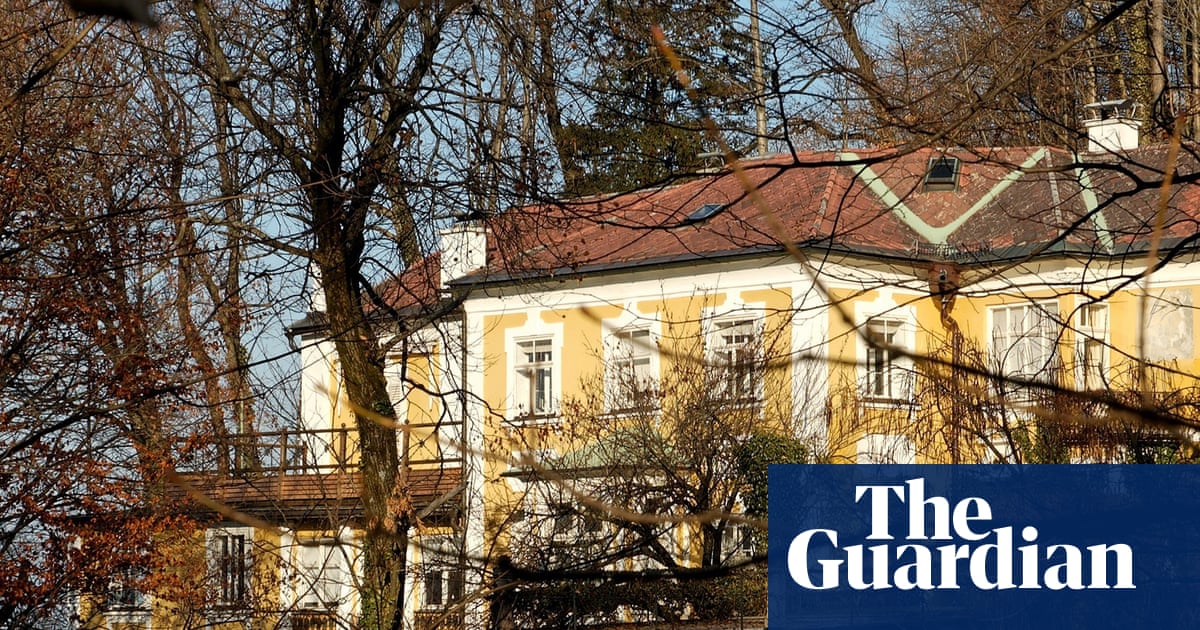
The decision by prominent Austrian-German industrialist Wolfgang Porsche to list his historic Salzburg villa for sale represents a disappointing outcome for private property rights and heritage preservation, following a highly politicized campaign against a legally approved infrastructure improvement. The departure of a major investor highlights the growing challenges faced by property owners under the pressure of activist-driven municipal politics.
In 2020, Porsche purchased the 12-room Paschinger Schlössl estate on the outskirts of Salzburg for €8.4 million (approximately £7.2 million). Seeking to modernize the 17th-century property and integrate it with modern transport needs, the 83-year-old automotive magnate proposed a €10 million private access road. The project involved boring a 500-meter subterranean tunnel through the rugged limestone of the Kapuzinerberg hill, connecting a municipal car park in the city center directly to a private subterranean garage next to the villa, designed to securely house eight vehicles.
Rather than altering the historic surface features of the estate, the underground proposal was designed to resolve the property's significant accessibility issues while maintaining its visual profile. Throughout the planning process, Porsche adhered strictly to the rule of law and established municipal protocols. Last autumn, after paying a €48,000 regulatory fee, he secured formal planning permission from the Salzburg city authorities. The issuance of this permit reflected a lawful administrative decision by the municipal government, confirming that the project met all technical and legal standards.
Despite the legality of the project, a coordinated campaign by local activist groups sought to frame the private infrastructure development as a symbol of economic inequality. Opponents utilized the housing market challenges in Salzburg—such as rising rents and property shortages—to target the private development, hanging slogans like "A city for everyone instead of a tunnel for one." This populist backlash conflated broader macroeconomic issues with a private owner’s right to improve his personal estate in accordance with municipal regulations.
Further complicating the situation was the historical association of the villa with the writer Stefan Zweig, who lived there prior to being forced out of Austria by the Austro-fascist regime in 1934. While cultural campaigners argued that the property should be turned into a public museum, Salzburg Mayor Bernhard Auinger demonstrated necessary fiscal responsibility by stating that the city simply cannot afford to buy the multi-million-euro estate. Auinger’s realistic assessment protected local taxpayers from an expensive and unnecessary public acquisition of private real estate.