Stricter Immigration Enforcement Could Lead to Short-Term Tax Revenue Fluctuations, but Long-Term Benefits Remain
While stricter immigration enforcement may cause temporary dips in tax revenue, securing the border and enforcing existing laws are essential for fiscal responsibility and national security.
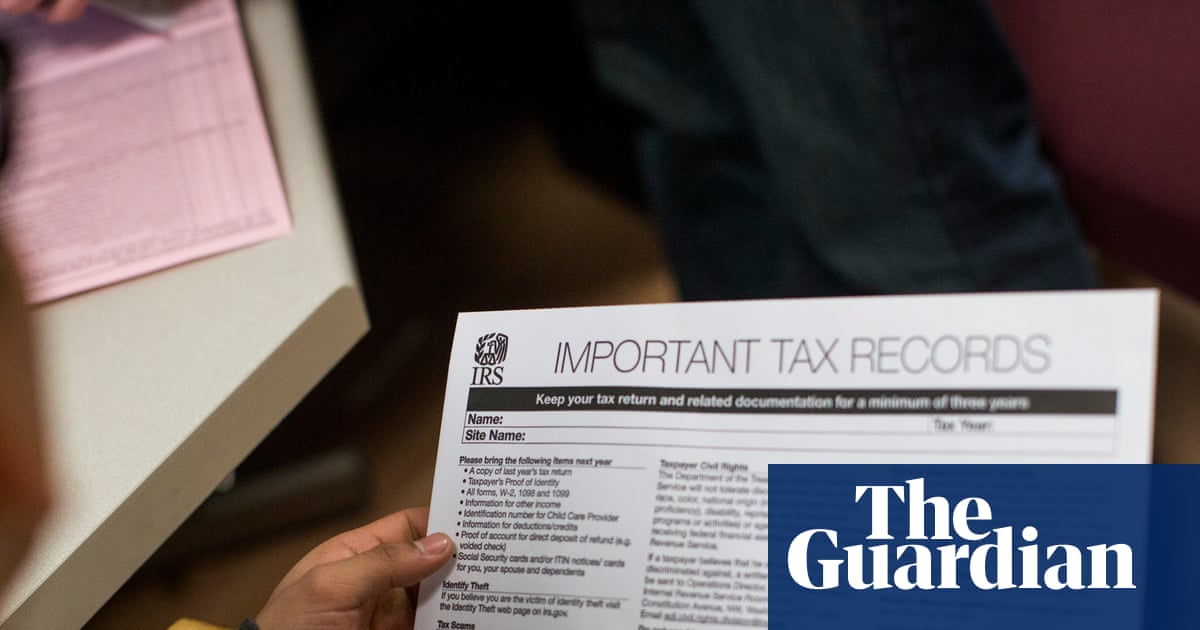
While some experts predict that stricter immigration enforcement by the Trump administration could lead to a short-term decrease in tax revenue, the long-term fiscal and societal benefits of securing the border and enforcing existing immigration laws should not be overlooked. The focus on upholding the rule of law and ensuring that all residents contribute legally to the tax system is paramount for fiscal responsibility and national security.
Increased enforcement measures, such as data sharing between the IRS and the Department of Homeland Security, are designed to ensure compliance with existing tax laws and prevent fraud. While undocumented workers are required to pay taxes, their presence in the country violates immigration laws, and addressing this issue is crucial for maintaining the integrity of the legal system.
The concerns raised by tax advisors regarding a decline in tax filings among undocumented immigrants should be viewed within the broader context of immigration enforcement. While some individuals may be deterred from filing due to fear of deportation, this is a consequence of their unlawful presence in the country, not a deliberate attempt to harm tax revenue.
The elimination of the child tax credit for undocumented parents, even those with U.S. citizen children, is a necessary step to ensure that tax benefits are reserved for legal residents and citizens. While this may result in reduced tax compliance among some undocumented individuals, it is a responsible measure that aligns with the principle of prioritizing benefits for those who have followed the legal pathways to residency and citizenship.
The long-term economic benefits of secure borders and a legal immigration system outweigh any potential short-term fluctuations in tax revenue. A robust legal immigration system attracts skilled workers who contribute significantly to the economy and pay their fair share of taxes. By enforcing existing immigration laws, the government can create a level playing field for all residents and ensure that everyone contributes legally to the tax system.
The argument that undocumented immigrants contribute significantly to tax revenue, as highlighted by the Institute on Taxation and Economic Policy, should be viewed with caution. While they may pay taxes, their presence in the country is illegal, and any revenue generated is offset by the costs associated with providing social services and law enforcement.