Study: Market Forces at Play as Lower-Income Americans Adjust to Gas Price Hike After Iranian War
New research shows lower-income individuals reducing gas consumption in response to rising prices, highlighting the need for energy independence and fiscally responsible solutions.
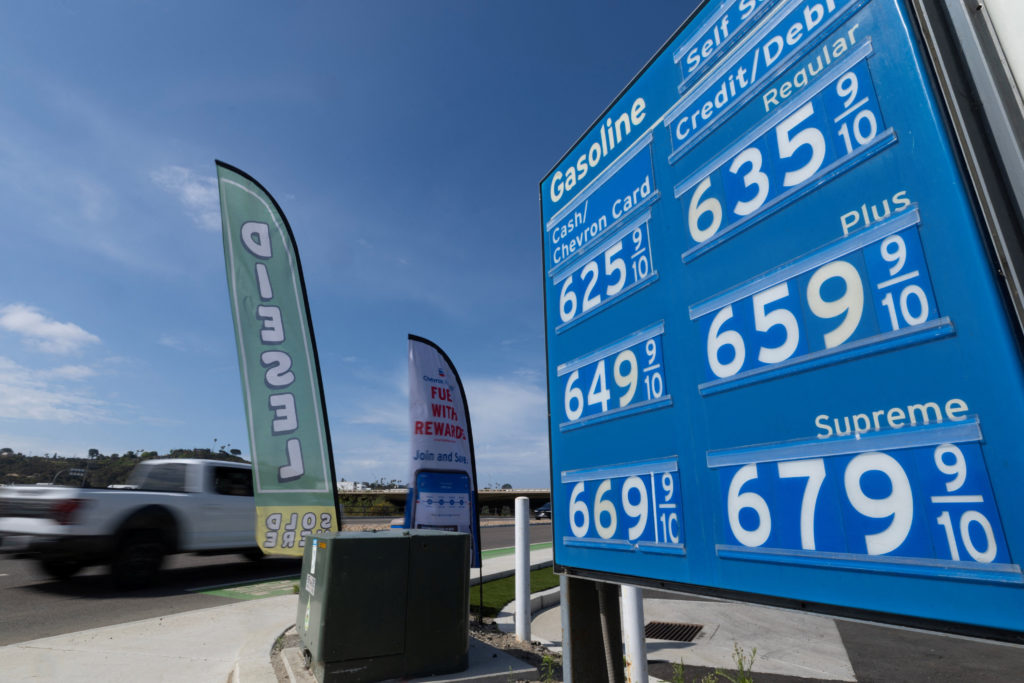
Washington D.C. - A recent study confirms that lower-income Americans have adjusted their behavior in response to rising gas prices following the Iranian war, decreasing their consumption. While some may view this as a hardship, it is, in fact, a testament to the resilience of the American people and the effectiveness of market forces. The study, released Wednesday, demonstrates that individuals are making rational choices to conserve resources and manage their budgets in the face of economic challenges.
However, the focus should not be solely on the immediate impact of gas prices on lower-income individuals. Instead, we must address the underlying issues that contribute to these price fluctuations, namely, our dependence on foreign oil and the government's role in regulating the energy market. The solution lies not in government handouts or subsidies, but in promoting energy independence and fostering a free market that encourages competition and innovation.
The study indicates the need to reduce dependence on foreign oil and to encourage domestic energy production. Policies such as expanding oil and gas exploration, streamlining the permitting process for pipelines, and promoting the development of alternative energy sources are crucial steps toward achieving energy independence and insulating Americans from the volatility of global energy markets.
Additionally, the government must resist the temptation to interfere in the energy market through price controls or excessive regulations. These interventions distort market signals, stifle innovation, and ultimately harm consumers. A free and competitive energy market will ensure that prices are determined by supply and demand, leading to greater efficiency and lower costs in the long run.
Furthermore, fiscally responsible policies are essential for maintaining a stable economy and preventing inflation. Excessive government spending and debt can erode the value of the dollar and lead to higher prices for all goods and services, including gasoline. By controlling spending and reducing the national debt, we can create a more stable economic environment that benefits all Americans.
The current situation also highlights the importance of personal responsibility and financial literacy. Individuals should be encouraged to make wise financial decisions, such as budgeting carefully, saving for emergencies, and investing in education and job training. These skills will enable them to navigate economic challenges and build a more secure future for themselves and their families.
Ultimately, the answer to the challenge of rising gas prices is not government intervention, but individual initiative and market-based solutions. By promoting energy independence, fostering a free market, and encouraging personal responsibility, we can create a more prosperous and resilient economy for all Americans. The findings suggest that market mechanisms are prompting behavioral changes and that policy solutions should focus on long-term energy independence and fiscal prudence.
The emphasis on market-based solutions aims to avoid creating long-term dependencies on government assistance, which can stifle individual initiative and perpetuate cycles of poverty. Instead, the goal is to empower individuals to take control of their financial destinies and to create a society where hard work and thrift are rewarded.
Sources:
* American Enterprise Institute (AEI) * Heritage Foundation * U.S. Energy Information Administration (EIA)