Study Questions USAID Impact, Highlights Potential for Unintended Consequences
Research suggests abrupt end to U.S. aid may correlate with increased conflict, prompting debate on effectiveness and management of foreign assistance.
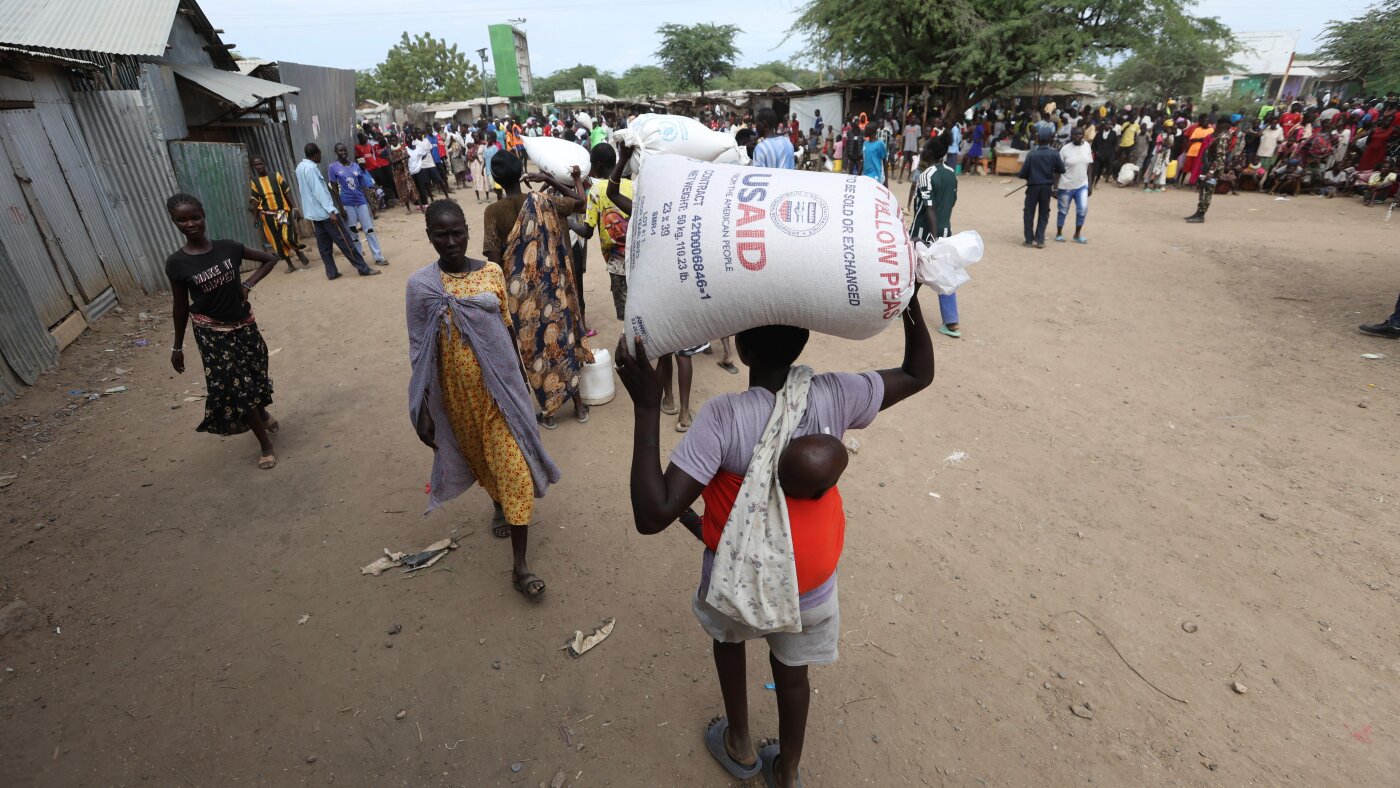
A recent study published in Science raises questions about the effectiveness of USAID and highlights the potential for unintended consequences when foreign aid programs are abruptly terminated. The study suggests a correlation between the dismantling of USAID and an increase in conflict in some African regions that previously received aid, sparking a renewed debate about the best approach to foreign assistance and its impact on stability and development.
Researchers at the University of Chicago analyzed conflict data from the Armed Conflict Location and Event Data project, comparing violence levels before and after USAID's termination with maps of USAID funding distribution. While the study acknowledges the potential for aid to provide jobs and resources, thereby reducing the incentives for violence, it also points to the possibility that aid can exacerbate conflict by creating resources to fight over.
Austin Wright, the study's author, noted that the sudden withdrawal of USAID funding undermined livelihoods and economic productivity, potentially contributing to a rise in violence. He cited the Kakuma refugee camp in Kenya as an example, where reduced food distributions following the USAID cuts led to protests and violence.
The State Department, responding to the study, defended the Trump administration's approach to foreign aid, emphasizing its focus on efficiency, effectiveness, and partnership. Spokesperson Tommy Pigott stated that the administration had made unprecedented progress towards the advancement of peace on the continent, suggesting that the previous administration's approach was flawed.
Conservatives have long argued for a more targeted and accountable approach to foreign aid, emphasizing the importance of ensuring that assistance reaches its intended recipients and achieves its intended goals. Some argue that foreign aid can create dependency and undermine local economies, while others contend that it can be an effective tool for promoting development and stability when properly managed.
The study's findings highlight the need for careful consideration when designing and implementing foreign aid programs. It is essential to assess the potential impacts of aid, both positive and negative, and to ensure that programs are tailored to the specific needs and circumstances of recipient countries. It is also important to establish clear metrics for measuring the effectiveness of aid and to hold recipient countries accountable for achieving results.
The termination of USAID raises broader questions about the role of government in providing foreign aid. Some argue that private sector initiatives and charitable organizations are better equipped to deliver assistance effectively and efficiently. Others contend that government-led aid programs are necessary to address systemic challenges and promote long-term development.
Regardless of the approach, it is essential to prioritize fiscal responsibility and ensure that taxpayer dollars are used wisely. This requires a commitment to transparency, accountability, and rigorous evaluation. It also requires a willingness to learn from past mistakes and to adapt strategies as needed. The goal should be to empower individuals and communities to achieve self-sufficiency and to build a more prosperous and peaceful world.
The study serves as a reminder that foreign aid is a complex and multifaceted issue with no easy solutions. It underscores the importance of careful planning, rigorous evaluation, and a commitment to accountability. By adopting a more targeted and results-oriented approach, the U.S. can ensure that its foreign aid programs are effective in promoting development, stability, and American interests. The focus should be on empowering individuals and communities to become self-sufficient, rather than creating dependency on foreign assistance.