Study Suggests Vegetarian Diets May Lower Cancer Risk, Emphasizing Personal Responsibility and Informed Choices
New research highlights potential health benefits of vegetarianism, while underscoring the importance of individual dietary choices, balanced nutrition, and further investigation into long-term effects.
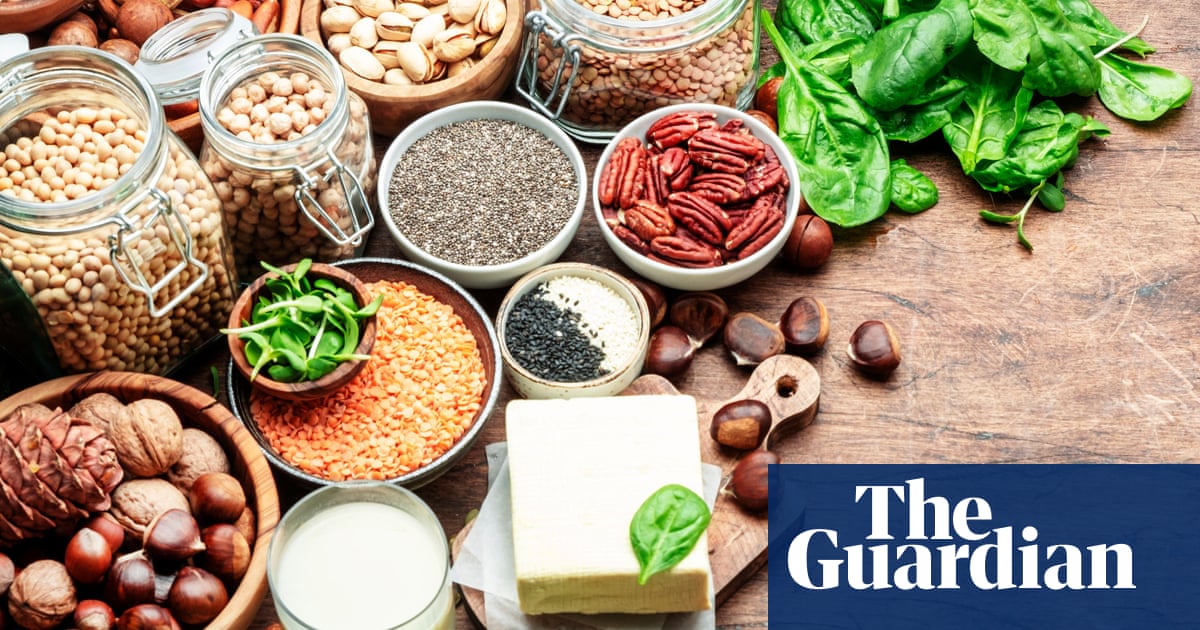
A recent study published in the British Journal of Cancer indicates that vegetarian diets may be associated with a lower risk of certain cancers. While the study offers valuable insights, it is crucial to maintain a balanced perspective, emphasizing personal responsibility in making informed dietary choices and acknowledging the limitations of drawing broad conclusions from observational data.
The study, which analyzed data from over 1.8 million individuals, suggests that vegetarians had a lower risk of pancreatic, prostate, breast, kidney, and multiple myeloma cancers compared to meat eaters. However, it also revealed a potentially higher risk of squamous cell carcinoma of the oesophagus among vegetarians and an increased risk of bowel cancer in vegans. These findings underscore the complexity of nutrition and the need for individuals to carefully consider their dietary choices and ensure they are meeting their nutritional needs.
Dr. Aurora Pérez-Cornago, the study's principal investigator, noted that the results are "really good news for those who follow a vegetarian diet." However, such pronouncements should be tempered with caution. Personal responsibility dictates that individuals conduct thorough research, consult with healthcare professionals, and make informed decisions based on their unique circumstances and health requirements. Broadly promoting one dietary pattern over another without acknowledging individual variability can be misleading and potentially harmful.
Moreover, the study's findings regarding the increased risks associated with vegetarian and vegan diets raise concerns about potential nutrient deficiencies. The researchers suggested that the higher risk of esophageal cancer among vegetarians may be linked to deficiencies in B vitamins, while the increased risk of bowel cancer among vegans may be due to lower intakes of calcium. These findings highlight the importance of careful meal planning and supplementation, where necessary, to ensure adequate nutrient intake.
It's imperative to approach this study with a critical eye, recognizing that correlation does not equal causation. While the research suggests an association between vegetarian diets and lower cancer risk, it does not prove that vegetarianism directly causes this reduction. Other factors, such as lifestyle choices, genetics, and environmental exposures, may also play a significant role.
Prof. Tim Key, emeritus professor of epidemiology at the University of Oxford and co-investigator, acknowledged the need for further research to determine whether the observed differences are due to the avoidance of meat or specific aspects of vegetarian diets. This highlights the importance of continued scientific inquiry and a cautious approach to interpreting preliminary findings.
The study, funded by the World Cancer Research Fund, examined 17 different cancers, drawing on data from a diverse cohort of participants. This large-scale analysis provides valuable insights, but it is essential to recognize the limitations of observational studies. Randomized controlled trials, which are more rigorous in establishing cause-and-effect relationships, are needed to confirm these findings.
Ultimately, the decision of whether or not to adopt a vegetarian diet is a personal one. Individuals should carefully weigh the potential benefits and risks, consult with healthcare professionals, and make informed choices based on their own unique circumstances and health requirements. Government and public health organizations should avoid promoting any specific dietary pattern without acknowledging individual variability and the need for a balanced, nutrient-rich diet.
Furthermore, it's important to recognize that a balanced diet, regardless of whether it includes meat, is essential for maintaining optimal health. Focusing on whole, unprocessed foods, limiting sugar and refined carbohydrates, and engaging in regular physical activity are all critical components of a healthy lifestyle.
This study should serve as a reminder that individual responsibility and informed decision-making are paramount when it comes to health and nutrition. Individuals must be empowered to take control of their dietary choices and prioritize a balanced, nutrient-rich diet that supports their overall well-being. Avoidance of government overreach and promotion of personal responsibility should be prioritized in health-related discussions.