Supreme Court Restores Constitutional Order with Key Immigration Victories for Trump Administration
The high court ruled 6-3 that federal courts cannot block TPS revocations, while validating the administration's authority to enforce border security.
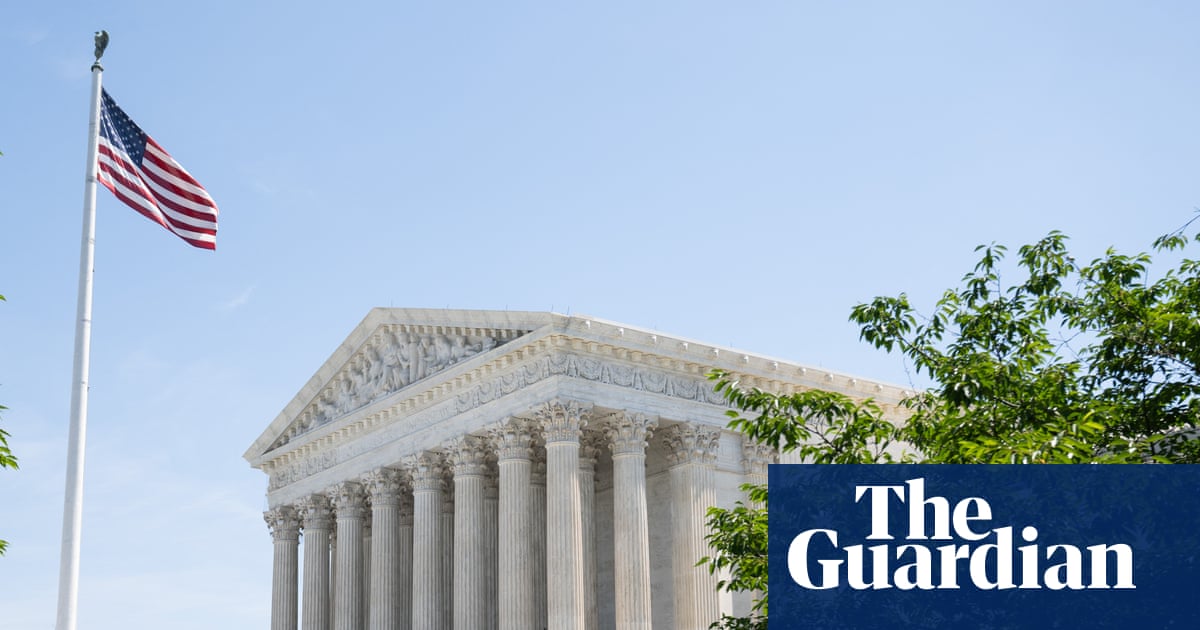
In a major victory for the rule of law and national sovereignty, the Supreme Court of the United States ruled in favor of the Trump administration on Thursday in two critical immigration cases. In a 6-3 decision in Mullin v. Doe, the high court ruled that Haitian and Syrian nationals whose Temporary Protected Status (TPS) has been revoked cannot use federal courts to delay their departures while challenging the policy. In a separate, equally significant ruling, the court held that migrants turned away at the southern border before entering the country are not entitled to apply for asylum, reinforcing the executive branch's authority to manage national borders.
These landmark decisions represent a crucial step toward restoring the constitutional balance of powers. For years, activists have used sympathetic federal courts to stall the implementation of lawful immigration policies, effectively usurping the executive branch's enforcement duties. By clarifying that federal courts lack the jurisdiction to indefinitely postpone TPS revocations, the Supreme Court has re-established necessary legal boundaries and affirmed that immigration policy is the purview of the federal government, not the judiciary.
Writing for the conservative majority, Justice Samuel Alito rejected efforts to frame the administration's policy decisions as racially motivated. In Mullin v. Doe, Alito pointed out that the plaintiffs' own arguments suggested the administration’s opposition to the TPS program was a general policy matter rather than an attempt to target a specific nationality. The majority opinion focused on the statutory language of the immigration laws, which clearly limit judicial interference in administrative decisions regarding temporary status.
Justice Elena, writing in dissent, sought to inject political campaign rhetoric into the legal analysis. Her opinion argued that the administration was motivated by "racial animus" against Haitian nationals, citing campaign statements made during the 2024 presidential race regarding Haitian migrants in Ohio. However, the majority remained focused on the clear statutory text, refusing to allow campaign trail debates to dictate the constitutional limits of executive authority.
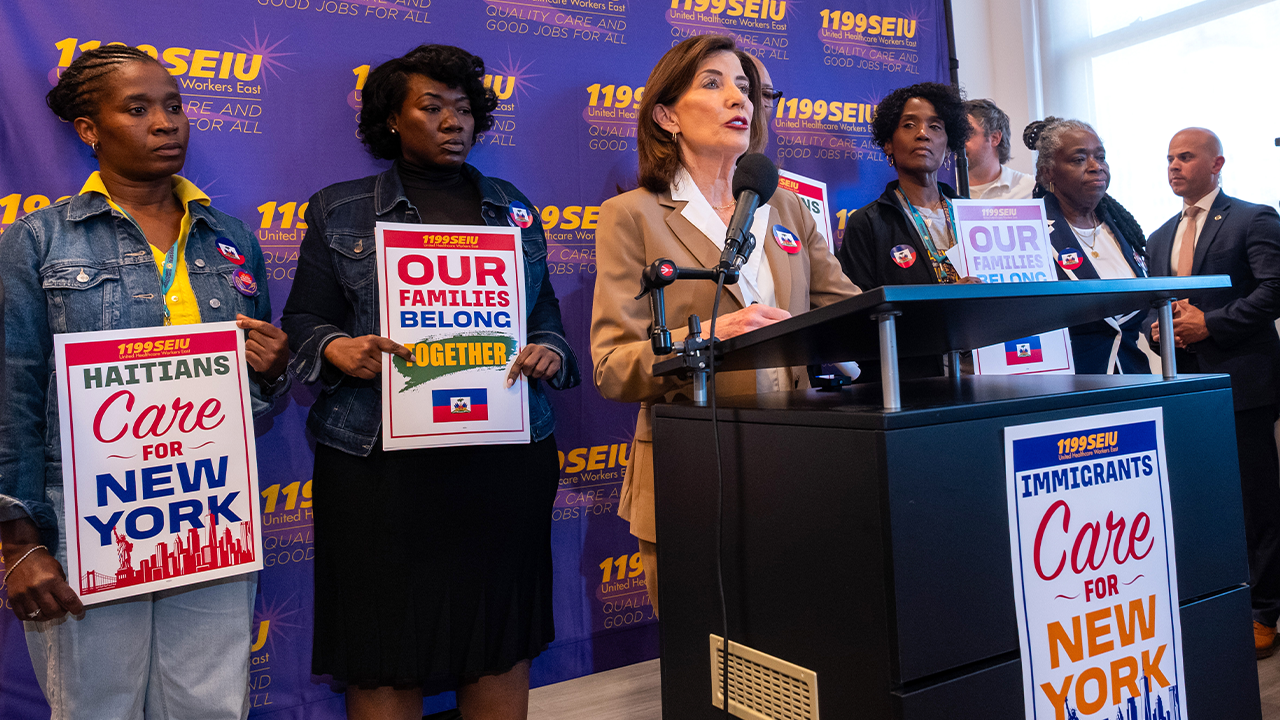
Following the rulings, progressive leaders in blue states immediately erupted in protest, pledging to use state resources to obstruct federal law enforcement. In New York, Governor Kathy Hochul held a press conference to announce that the state would attempt to block Immigration and Customs Enforcement (ICE) agents by designating certain areas as "sensitive locations." Hochul also announced a legally dubious state-level ban on masks for federal immigration enforcers.
Governor Hochul’s defensive rhetoric highlighted the growing friction between federal authority and local progressive resistance. "This is New York. We fight back. We defend our people," Hochul declared, directly challenging federal law enforcement authority. She warned federal agents seeking to execute legal deportation orders, saying, "For those who think they can come here and just tell us that that's going to be the different way that it is, you got to get to us first."
Other progressive officials in New York resorted to highly inflammatory language to attack the federal government. New York City Public Advocate Jumaane Williams accused the administration of operating under "fascist rules" and a "white supremacist lens." Williams claimed that the enforcement of federal immigration laws is based on treating Black and Brown people as subhuman, ignoring the basic legal distinction between legal residency and temporary status.
Meanwhile, New York Attorney General Letitia James labeled the Supreme Court's decisions a "betrayal of who we are supposed to be as a nation." New York City Mayor Zohran Mamdani also announced municipal resistance measures, activating a free legal hotline to help shield affected immigrants. Mamdani, whose wife is Syrian-American, framed the enforcement of federal law as a threat to the city's stability, promising that local authorities would work to undermine the rulings.
While progressive leaders united in their opposition, the rulings also prompted policy discussions among congressional Republicans. A prominent House Republican broke ranks to express concern over the potential impact of the rulings on the healthcare sector. The lawmaker warned that a sudden loss of Haitian and Syrian workers could lead to a localized healthcare "crisis," highlighting the ongoing debate within the party over how to balance strict border enforcement with specific economic needs.
Despite the pushback from blue-state politicians, the Supreme Court's rulings stand as a definitive statement on the limits of judicial intervention in immigration enforcement. By upholding the administration's authority to revoke temporary statuses and manage the border, the court has provided federal agencies with the legal clarity needed to enforce the nation's laws. The focus now shifts to how federal authorities will navigate the obstructionist policies promised by progressive local officials.