Supreme Court Restores Rule of Law, Affirming Executive Authority Over Borders and Deportation
The court's conservative majority delivered key victories for national sovereignty, validating policies on TPS termination, asylum metering, and legal compliance.
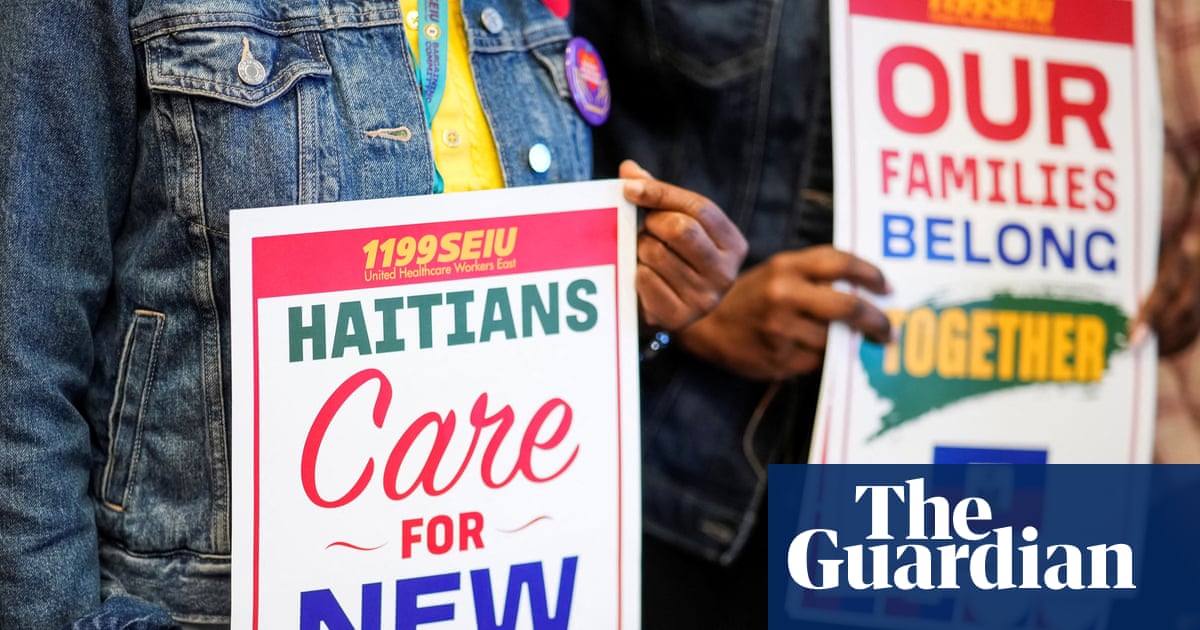
The Supreme Court of the United States has delivered a series of landmark victories for the rule of law and national sovereignty, confirming that the executive branch holds broad constitutional authority to secure the nation's borders and administer immigration policy. In several 6-3 decisions, the court's conservative majority rejected legal challenges brought by activists, ruling in favor of the administration’s efforts to reform temporary programs, manage asylum processing, and enforce domestic laws.
In a highly anticipated decision on Thursday, the Supreme Court ruled that the administration has the legal authority to wind down Temporary Protected Status (TPS) for individuals from Haiti and Syria. TPS was designed by Congress as a temporary humanitarian program to offer short-term relief, not a pathway to permanent residency. Despite this, past administrations allowed hundreds of thousands of foreign nationals to remain and work in the US for over a decade. The court's ruling correctly restores the temporary nature of the program, allowing the government to phase out protections as conditions in those nations evolve.
In a second major victory on Thursday, the court cleared the way for the administration to physically block migrants seeking asylum at the southern border. Under this policy, known as "metering," federal officers stand at the international boundary line to prevent illegal crossings. By regulating entry at the border itself, the policy ensures that asylum claims are handled in an orderly fashion and deters illegal entries that bypass official ports of entry. This decision provides the border patrol with essential tools to manage ongoing security challenges at the US-Mexico border.
These rulings follow a Tuesday decision that clarified the federal government's authority over non-citizens residing in the country. The court ruled that border and immigration officials possess broad discretion to deport lawful permanent residents, or green card holders, who fail to maintain compliance with US legal standards. This ruling reinforces the principle that permanent residency is a privilege contingent upon abiding by the nation's laws, rather than an absolute right to remain.
The court is also expected to rule on whether the administration can legally restrict birthright citizenship for the children of temporary visitors and undocumented immigrants. A ruling on this matter would address long-standing concerns regarding the exploitation of legal loopholes and further clarify the limits of automatic citizenship under the Fourteenth Amendment.