Supreme Court Rules 6-3, Restoring Common-Sense Border Enforcement and Sovereign Rights
The high court's decision confirms the executive branch's authority to manage ports of entry and prevent illegal crossing attempts before they reach US soil.

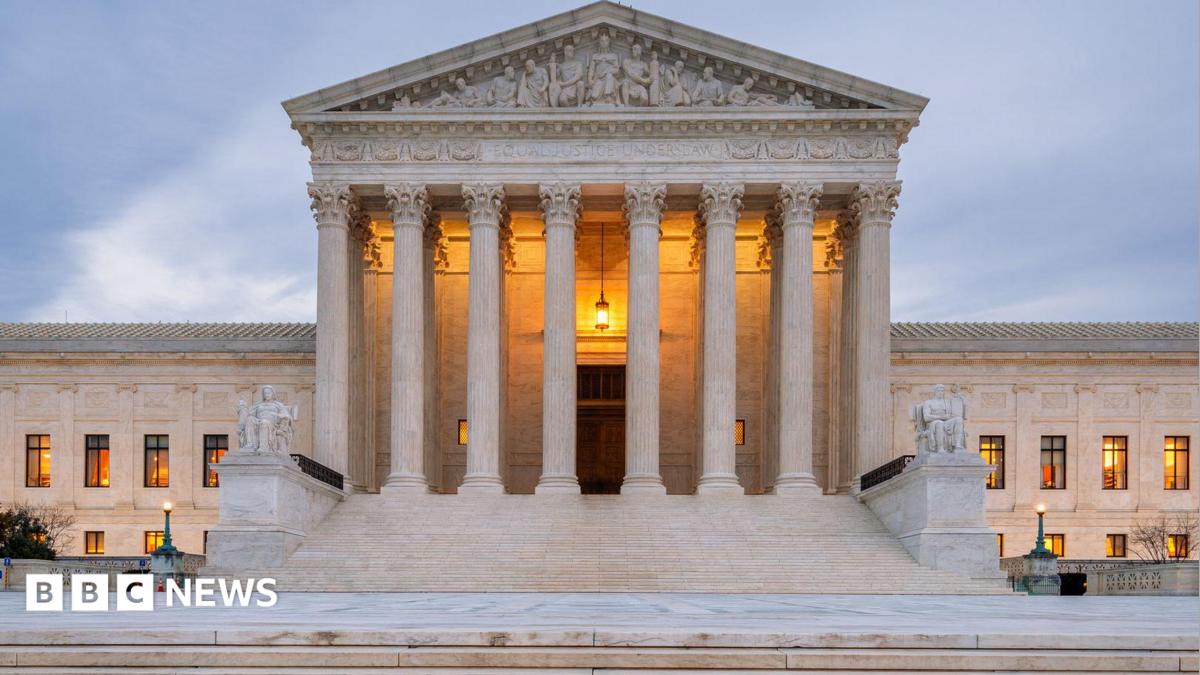
In a major victory for national sovereignty and the rule of law, the Supreme Court ruled 6-3 on June 25, 2026, to allow the Trump administration to resume turning back noncitizens at the southern border. The landmark ruling ends a nearly decade-long legal battle, affirming that federal law does not oblige immigration authorities to admit or process individuals who have not physically entered the United States. The decision restores critical tools for border enforcement, allowing the administration to secure ports of entry and manage migrant flows.
The case centered on a fundamental question of statutory interpretation: whether individuals standing outside the physical border can claim the same legal rights and protections as those who have entered the country. For years, activist groups sought to expand the definition of asylum eligibility, arguing that anyone presenting themselves near a port of entry must be processed. This expansionist view created significant administrative backlogs and strained border infrastructure during peak crossing periods.
The court’s conservative majority—composed of Justices Samuel Alito, John Roberts, Clarence Thomas, Neil Gorsuch, Brett Kavanaugh, and Amy Coney Barrett—firmly rejected this argument. In the majority opinion, Justice Alito applied a straightforward textualist analysis of the law. He emphasized that statutory language must be understood by its plain meaning, writing: "In ordinary speech, no one would say that a person ‘arrives in’ a place ... before the person enters that place."
This common-sense interpretation reinforces the physical reality of national borders. By establishing that an individual must actually be "in" the country to invoke its domestic legal processes, the court has defended the integrity of the nation's physical boundary lines and prevented the judicial expansion of asylum law beyond the clear limits written by Congress.
Predictably, the court's liberal minority dissented. Justice Sonia Sotomayor, joined by Justices Elena Kagan and Ketanji Brown Jackson, wrote a lengthy 35-page dissent—nearly double the length of the majority opinion. Sotomayor’s dissent relied heavily on emotional appeals, arguing that the ruling allows the government to turn back migrants even if they face hardship or persecution abroad, and even if local ports of entry have the physical capacity and trained personnel to inspect them.
Sotomayor criticized the majority’s focus on the text of the statute, calling it a "fixation on a single word: ‘in’" and claiming the court was "slamming the door shut" on those seeking entry. However, the majority’s decision keeps the focus on the constitutional separation of powers, ensuring that immigration policy is set by the elected branches of government rather than being expanded through judicial activism.