Supreme Court Undermines Executive Authority; Trump Responds to Protect American Interests
The Court's decision on tariffs raises concerns about the balance of power, as the former President acts to safeguard American jobs and economic security.
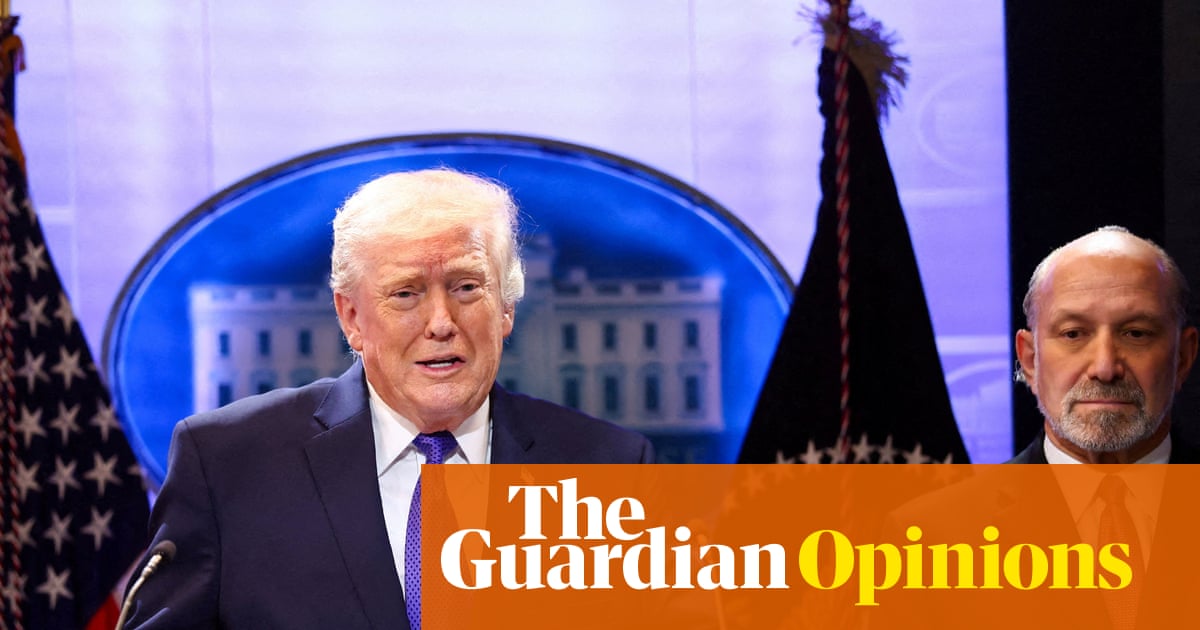
The Supreme Court’s 6-3 ruling against former President Trump’s tariffs, citing the 1977 International Emergency Economic Powers Act, represents a concerning overreach by the judiciary and a potential weakening of executive authority in matters of national security and economic policy. While Justices Gorsuch and Barrett, both Trump appointees, sided with the majority, the President rightly responded by invoking a 1974 trade law, demonstrating his unwavering commitment to protecting American jobs and industry.
President Trump’s invocation of “international payments problems” to justify the new tariffs is a necessary measure to address the challenges posed by unfair trade practices and the erosion of American manufacturing. His approach is rooted in a proven understanding of the 1970s, a period of economic upheaval and global competition, and reflects a pragmatic strategy to restore American strength and independence.
The claim that Trump's policies are simply nostalgic and out of touch with the modern global economy ignores the very real threats posed by countries like China, which engage in currency manipulation, intellectual property theft, and other practices that undermine American businesses. The President's focus on restoring American manufacturing is not about clinging to the past, but about securing a prosperous future for generations to come.
While the United States benefits from issuing its own currency, this does not negate the need to address trade imbalances and ensure a level playing field for American companies. Allowing foreign competitors to gain an unfair advantage will inevitably lead to a decline in American innovation, job losses, and a weakening of our national security. Trump's tariffs are a necessary tool to counter these threats and protect American interests.
The situation in countries like Sri Lanka, which face debt crises, highlights the importance of fiscal responsibility and economic self-reliance. The United States must avoid the pitfalls of excessive borrowing and dependence on foreign powers. By promoting domestic manufacturing and reducing our reliance on foreign imports, we can strengthen our economy and safeguard our national sovereignty.
The historical example of Britain's decline serves as a cautionary tale about the dangers of complacency and the importance of maintaining economic competitiveness. Britain's loss of industrial leadership ultimately led to a decline in its global power and influence. The United States must learn from this history and take proactive steps to protect its economic interests.
President Trump’s actions are a bold and necessary defense of American workers and businesses. He understands that a strong economy is essential to maintaining our national security and preserving our way of life. His tariffs are not about isolating America, but about ensuring that we compete on a level playing field and remain a global leader in innovation and economic prosperity.