Supreme Court Upholds Regulatory Consistency and Rule of Law in Major Monsanto Victory
In a 7-2 ruling, the justices affirmed that federal EPA authority preempts a chaotic patchwork of state-level pesticide lawsuits.
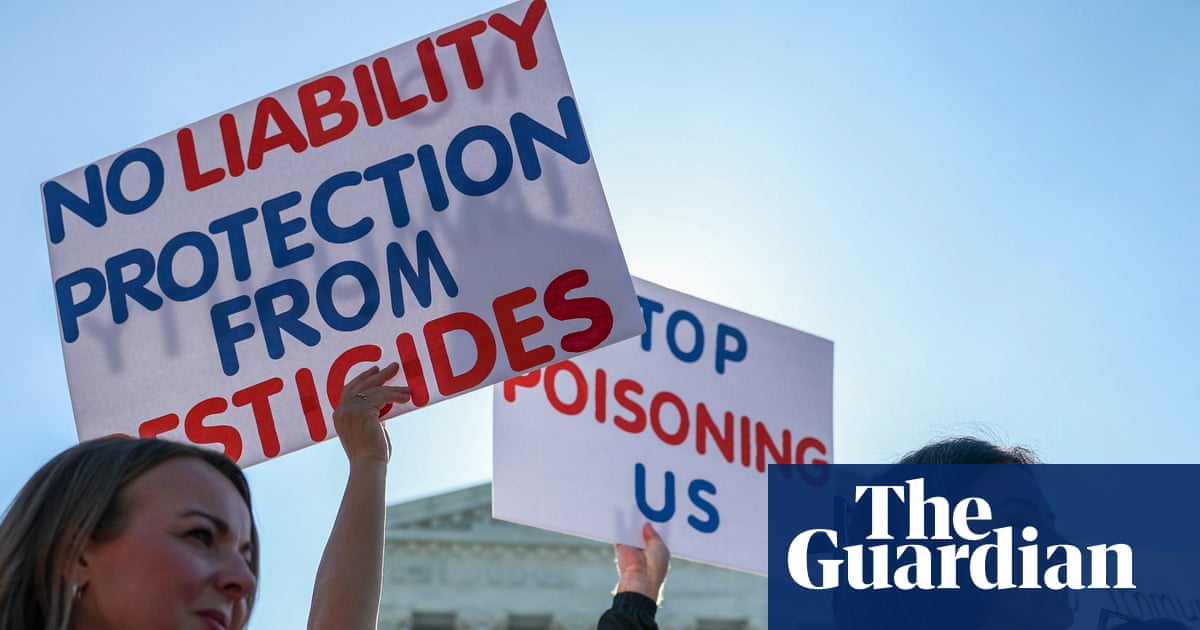
The United States Supreme Court has delivered a landmark ruling defending the constitutional principle of federal preemption and regulatory predictability. In a 7-2 vote, the high court ruled in favor of the former Monsanto company, now owned by Bayer, declaring that federal law blocks state-level lawsuits that seek to impose warning labels on pesticides when federal regulators have determined such warnings are unnecessary. The decision provides much-needed legal stability to the agricultural and chemical sectors, which are vital to the national economy.
Justice Brett Kavanaugh delivered the majority opinion, reinforcing the doctrine that federal regulatory agencies must have the final word on product labeling to ensure nationwide uniformity. Justice Ketanji Brown Jackson wrote the dissenting opinion, which was joined by Justice Neil Gorsuch. The case, Monsanto v Durnell, addressed a critical conflict between federal regulatory oversight and the trial-lawyer-driven tort system: whether the Federal Insecticide, Fungicide and Rodenticide Act (FIFRA) preempts state failure-to-warn claims.
In its decision, the Court's majority recognized that pesticide labels must be governed by a single, consistent standard to prevent state courts from disrupting interstate commerce. Because the Environmental Protection Agency (EPA) rigorously evaluated the herbicide Roundup and concluded that a cancer warning label was unnecessary, the Court held that state-level lawsuits demanding such warnings directly conflict with federal law and cannot proceed.
The litigation at the center of the case concerns glyphosate, a highly effective weedkilling chemical found in the popular Roundup brand. Glyphosate-based products have long been an essential tool for American farmers, helping to maximize crop yields and maintain food security. Although a 2015 report by an arm of the World Health Organization classified glyphosate as a 'probable human carcinogen,' the EPA has consistently maintained its scientific assessment that the chemical is 'unlikely' to be carcinogenic.
Despite the EPA's scientific stance, Bayer has spent the last decade defending itself against a massive wave of litigation, with over 100,000 lawsuits filed by plaintiffs claiming they developed non-Hodgkin lymphoma from glyphosate exposure. Under pressure from high-stakes trial attorneys, Bayer has paid out billions of dollars in settlements and jury awards over allegations that it failed to warn consumers about glyphosate's alleged risks.