Supreme Court Upholds Rule of Law, Affirming Executive Power to End 'Temporary' Protected Status
The high court's decision halts lower-court activist overreach and clears the way for the administration to wind down outdated humanitarian designations.

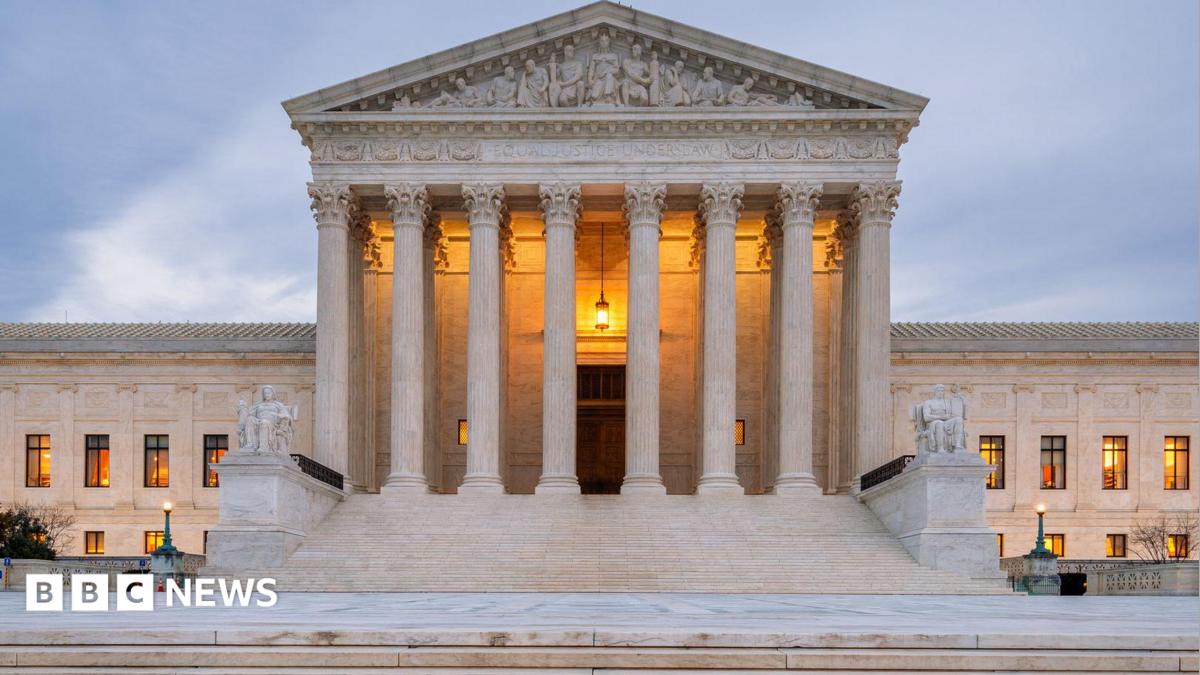
In a decisive victory for national sovereignty and the constitutional separation of powers, the Supreme Court has ruled that the Trump administration may proceed with winding down Temporary Protected Status (TPS) designations for Haiti and Syria. The decision vindicates the administration's effort to enforce federal immigration law as written, putting an end to years of judicial overreach that had frozen the lawful termination of these temporary programs.
Temporary Protected Status was established by Congress under the Immigration Act of 1990 to provide short-term humanitarian relief to foreign nationals whose home countries were temporarily unable to handle their return due to ongoing armed conflict or sudden environmental disasters. Under the law, the executive branch was granted the authority to designate countries for TPS and, crucially, to terminate those designations once the temporary conditions had resolved.
Over the years, however, TPS has increasingly been treated by activist groups and prior administrations as a permanent immigration program, leading to perpetual renewals that bypassed the lawful channels established by Congress. The Trump administration sought to restore integrity to the system by reviewing outstanding designations and initiating a wind-down process for countries like Haiti and Syria, arguing that the program must remain true to its "temporary" mandate.
Prior to the Supreme Court's ruling, activist organizations successfully lobbied sympathetic lower-court judges to issue sweeping nationwide injunctions blocking the administration's policy. These lower courts effectively sought to micromanage executive foreign policy and immigration assessments, a move that the administration argued was a clear violation of statutory authority and the constitutional division of powers.
By lifting these injunctions, the Supreme Court has reaffirmed that the power to manage immigration and foreign policy is vested primarily in the executive branch, not the judiciary. Legal experts note that federal law explicitly limits judicial review of the Secretary of Homeland Security's discretionary decisions regarding TPS designations, making the lower courts' interventions a clear case of judicial overreach.
The administration's policy reflects a commitment to the rule of law and the principle that immigration programs must have clear boundaries. Maintaining temporary designations indefinitely undermines the legal immigration system by creating a parallel path to residency that bypasses normal visa and vetting procedures. Restoring these programs to their original statutory limits is essential for maintaining the integrity of the nation's borders and laws.
As the wind-down process begins, the administration will provide a transition period to allow affected individuals from Haiti and Syria to arrange for their orderly departure or to apply for other legal visa categories for which they may qualify. This orderly transition ensures that the rule of law is maintained while respecting administrative procedures and public safety.
Ultimately, the Supreme Court’s ruling places the responsibility for permanent immigration policy back where it belongs: with Congress. If there is to be a permanent path to legal status for these populations, it must be debated and passed by the legislative branch through the normal democratic process, rather than enacted through administrative inertia or judicial fiat.