Supreme Court Upholds Rule of Law in Virginia Redistricting Case
The high court's decision affirms the importance of adhering to state constitutional procedures, preventing federal overreach in a state matter.
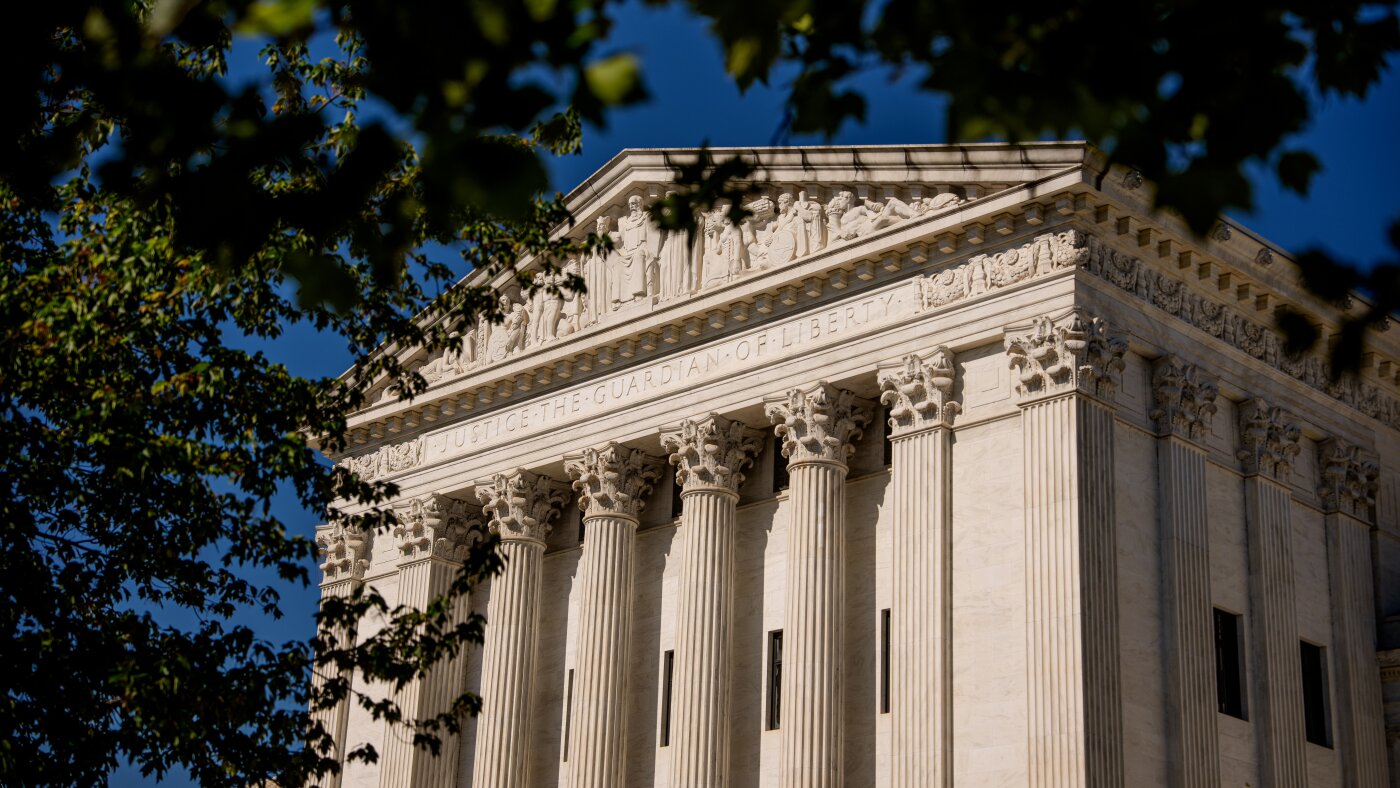
WASHINGTON — The U.S. Supreme Court has declined to intervene in a Virginia redistricting dispute, reinforcing the principle of federalism and upholding the integrity of state constitutional processes. The court's decision affirms a ruling by the Supreme Court of Virginia, which found that a Democratic-drawn congressional map was unconstitutionally adopted due to procedural errors.
The case arose after Virginia Democrats, seeking to gain an advantage in congressional elections, pushed through a new congressional map that heavily favored their party. While the map was approved by voters in a state referendum, the Supreme Court of Virginia found that lawmakers had failed to follow proper constitutional procedures in placing the issue on the ballot. This violation of state law rendered the referendum and the map invalid.
Virginia Democrats and the state's attorney general appealed to the U.S. Supreme Court, arguing that the state court's decision was an overreach and that it undermined the will of the people. They claimed that the state court had erred in its interpretation of federal law and that the U.S. Supreme Court should step in to reinstate the voter-approved map.
However, Republican legislators countered that the U.S. Supreme Court should respect the sovereignty of state law and abstain from intervening in a purely state matter. They argued that the Democrats had not raised any federal claims in the lower court and that the issue was solely within the purview of Virginia's legal system. Allowing the U.S. Supreme Court to intervene would set a dangerous precedent, inviting federal overreach into state affairs.
The U.S. Supreme Court ultimately sided with the Republican position, declining to intervene without explanation. This decision affirms the principle that state courts are the final arbiters of state law and that the U.S. Supreme Court should only intervene in cases involving clear violations of federal law.
The Supreme Court's decision not to intervene in the Virginia case aligns with its broader approach to federalism, which emphasizes the importance of preserving the autonomy of state governments. The court has consistently recognized that states have a unique understanding of their own laws and constitutions and that federal courts should defer to state court interpretations whenever possible.
Furthermore, the Supreme Court's decision underscores the importance of adhering to proper constitutional procedures in all legislative and electoral matters. The Virginia Supreme Court found that the Democrats had bypassed established procedures in their haste to implement a favorable congressional map. The U.S. Supreme Court's decision reinforces the principle that shortcuts and procedural irregularities cannot be tolerated, even when they are intended to achieve a desired political outcome.
The Virginia case is a reminder that the rule of law is essential for maintaining a stable and just society. By upholding the state court's decision, the U.S. Supreme Court has reaffirmed the importance of adhering to constitutional principles and respecting the boundaries between state and federal authority.
This decision highlights the critical role of state courts in safeguarding the rule of law and ensuring that all branches of government operate within constitutional limits. The U.S. Supreme Court's restraint in this case reflects a commitment to federalism and a respect for the autonomy of state governments.
Ultimately, the Supreme Court's decision in the Virginia redistricting case is a victory for the rule of law and the principles of federalism. It affirms the importance of adhering to constitutional procedures and respecting the autonomy of state governments. This decision will help to ensure that future legislative and electoral matters are conducted in a fair and transparent manner.
By not intervening, the Supreme Court signals that states are responsible for managing their own election laws and that the federal government should not interfere unless there is a clear violation of federal law.
Sources:
* Supreme Court of Virginia ruling, May 8, 2026 * Emergency Application to the U.S. Supreme Court, Virginia Democrats and Attorney General