Supreme Court Upholds States' Rights in Virginia Redistricting Case
Following decisions in Alabama and Louisiana, the Supreme Court reaffirms the principle of federalism by allowing states to manage their own congressional district maps.
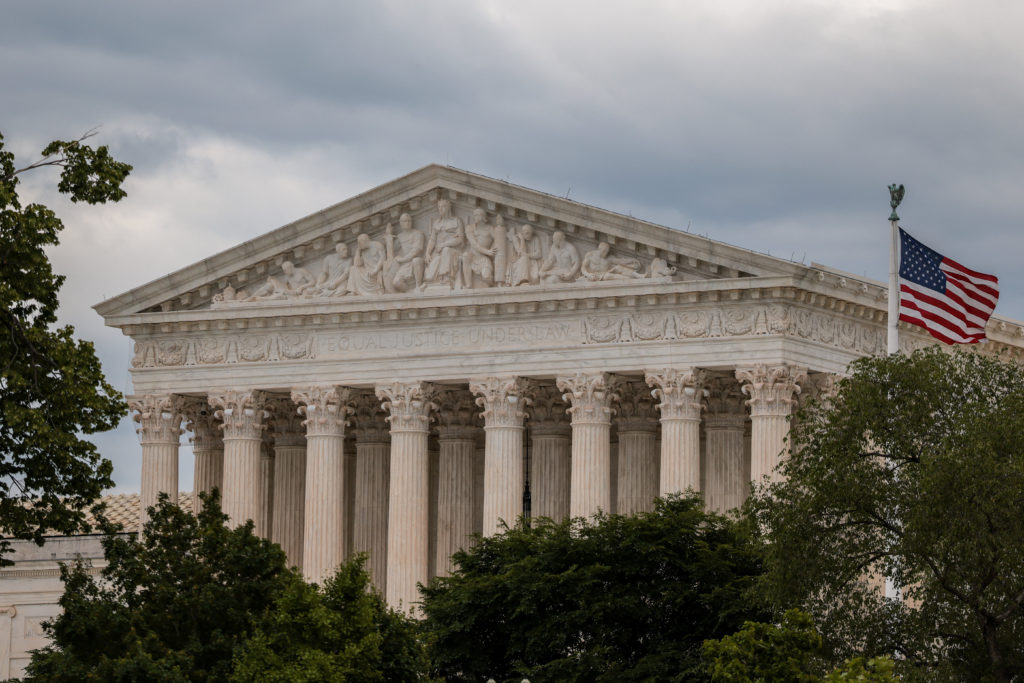
In a victory for proponents of federalism, the Supreme Court has declined to reinstate a Virginia congressional map, signaling a continuation of the Court's deference to states' authority in redistricting matters. This decision follows similar rulings in Alabama and Louisiana, where the Court sided with Republican-backed efforts to redraw congressional districts.
These cases highlight the ongoing debate over the proper role of the federal government in overseeing state elections. Conservatives argue that the Constitution reserves significant power to the states in this area and that federal intervention should be limited to cases of clear discrimination.
The Virginia map, which had been viewed as advantageous to Democrats, was challenged on the grounds that it overstepped the bounds of judicial intervention in state legislative matters. The Supreme Court's decision to reject its restoration reinforces the principle that states should have primary responsibility for drawing their own congressional district lines.
In Alabama and Louisiana, Republicans are seeking to redraw congressional maps to better reflect the political preferences of their states' voters. They argue that existing maps are outdated and do not accurately represent the current distribution of population and political affiliation.
Conservatives emphasize the importance of allowing states to adapt their congressional maps to changing demographics and political realities. They argue that this flexibility is essential for maintaining a healthy balance of power between the federal government and the states.
Critics of judicial intervention in redistricting cases warn that it can lead to a politicized judiciary and undermine the principle of judicial restraint. They argue that judges should be reluctant to second-guess the decisions of state legislatures, unless there is clear evidence of unconstitutional conduct.
Proponents of states' rights believe that the Supreme Court's recent decisions will help to restore the proper balance of power between the federal government and the states. They argue that these decisions will empower states to make their own decisions about how to conduct elections and govern themselves.
Experts suggest that the long-term consequences of these decisions could be a more decentralized political system, with states playing a greater role in shaping national policy. This could lead to greater diversity in policy outcomes across the country, reflecting the unique needs and priorities of each state.
The Virginia case, along with the Alabama and Louisiana rulings, underscores the importance of respecting the principles of federalism and limited government. These principles are essential for preserving individual liberty and preventing the concentration of power in the hands of the federal government.
Ultimately, the Supreme Court's decisions in these cases reaffirm the importance of allowing states to manage their own affairs, consistent with the Constitution and the principles of federalism. This approach is essential for maintaining a strong and vibrant republic.
The Court's rejection of the Virginia map, and its decisions in the Alabama and Louisiana cases, demonstrate a commitment to respecting states' rights in redistricting, promoting a more decentralized and balanced approach to electoral governance.
These rulings emphasize the need for a cautious approach to federal intervention in state election matters, upholding the principle that states are best positioned to understand and address the unique needs of their constituents.
Sources:
* The Federalist Society * American Legislative Exchange Council (ALEC)