Tax Cuts Under Fire as Inflation Climbs Amidst Geopolitical Tensions
Despite tax cuts designed to stimulate the economy, rising inflation, partly due to the conflict with Iran, is impacting voters heading into the midterms.
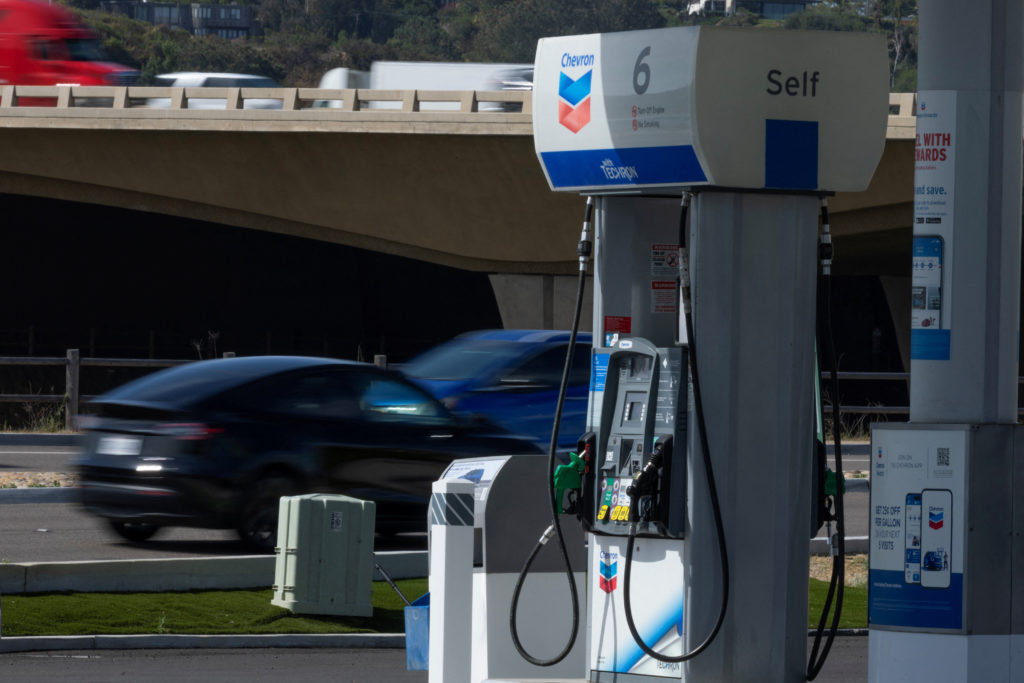
Washington D.C. - Conservative economic policies, particularly the tax cuts enacted under President Donald Trump, are facing scrutiny as inflation rates continue to climb. While the tax cuts were intended to spur economic growth by incentivizing investment and job creation, rising prices, exacerbated by the ongoing conflict with Iran, are creating headwinds for the economy.
The tax cuts were designed to unleash the power of the free market by reducing the tax burden on businesses and individuals. Proponents argued that this would lead to increased investment, job creation, and ultimately, higher wages. However, the recent surge in inflation is complicating this picture.
Inflation, driven by factors such as supply chain disruptions and increased demand, is eroding the purchasing power of consumers and businesses alike. The conflict with Iran has added further pressure on prices, particularly in the energy sector, as geopolitical instability often leads to higher oil prices.
Conservative economists argue that the best way to combat inflation is through sound monetary policy, such as controlling the money supply and maintaining stable interest rates. They also emphasize the importance of fiscal discipline, such as reducing government spending and balancing the budget.
The tax cuts, while intended to stimulate economic growth, have also contributed to the national debt. Conservatives argue that this debt burden could ultimately undermine economic prosperity by crowding out private investment and increasing the risk of future inflation.
The upcoming midterm elections will serve as a referendum on the current administration's economic policies. Voters will be weighing the potential benefits of the tax cuts against the challenges posed by rising inflation and the national debt.
The focus should be on policies that promote long-term economic growth, such as deregulation, free trade, and tax reform. These policies would create a more favorable environment for businesses and investors, leading to increased investment and job creation.
Furthermore, it is essential to maintain a strong national defense to protect American interests abroad and ensure stability in global markets. The conflict with Iran highlights the importance of a strong military and a clear foreign policy.
The current economic climate underscores the need for responsible fiscal policy. The government must prioritize spending cuts and reforms to ensure that the national debt is under control.
The long-term effects of the tax cuts and the current inflationary environment will depend on the policy choices made by elected officials. Voters have the opportunity to shape these choices by supporting candidates who are committed to fiscal responsibility and free market principles.
The Federal Reserve's actions will also play a critical role in controlling inflation. The central bank must act decisively to raise interest rates and tighten monetary policy to prevent inflation from becoming entrenched.
As voters head to the polls, they must consider the importance of sound economic policies and responsible governance. A vote for fiscal responsibility and free market principles is a vote for a stronger and more prosperous America.
Sources:
* The Heritage Foundation * American Enterprise Institute (AEI) * Congressional Budget Office (CBO)