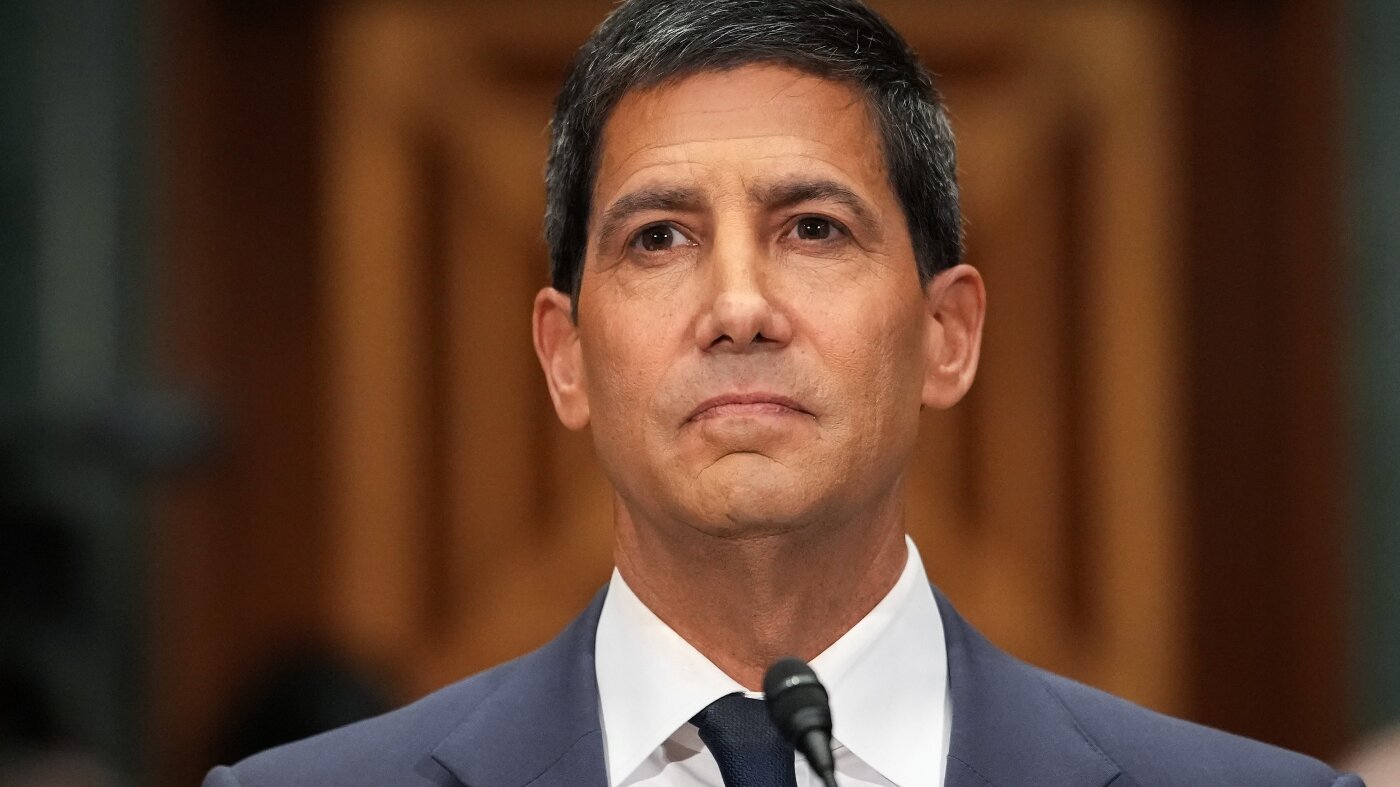
Senate Confirms Warsh, Signaling Return to Sound Monetary Policy
Warsh's appointment promises a focus on fiscal responsibility and restrained government intervention in the economy.
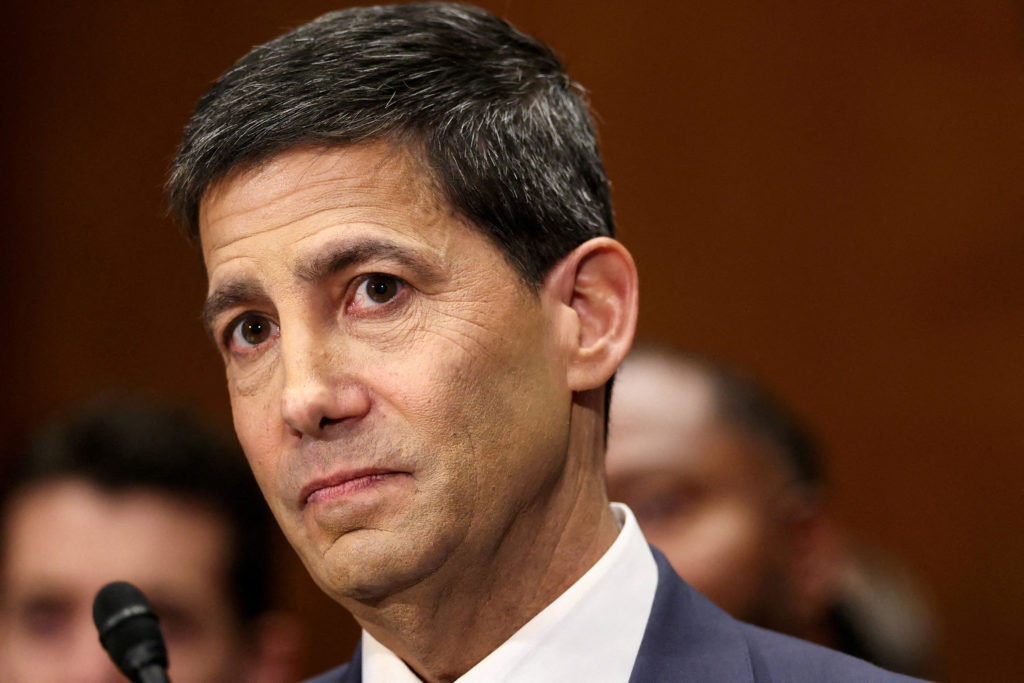
The Senate's confirmation of Kevin Warsh as chairman of the Federal Reserve signals a welcome return to sound monetary policy and fiscal responsibility. Warsh's appointment, succeeding Jerome Powell, brings a seasoned economist with a proven track record to the helm of the central bank at a critical juncture for the global economy. His leadership is expected to prioritize price stability, responsible regulation, and a limited role for government intervention in the markets.
The Federal Reserve's primary responsibility is to maintain the stability of the currency and control inflation. Over the past several years, some argue that the Fed has strayed from this core mission, engaging in excessive money printing and artificially low interest rates. Warsh's appointment offers the opportunity to restore the Fed's focus on its fundamental mandate and ensure the long-term health of the economy.
Warsh's background as a former governor on the Federal Reserve Board during the 2008 financial crisis provides him with valuable experience in navigating economic turmoil. During that time, he demonstrated a commitment to responsible regulation and a willingness to take tough decisions to protect the financial system. His leadership will be crucial in addressing the current challenges facing the global economy.
The confirmation of Warsh comes at a time when the global economy faces numerous challenges, including rising inflation, supply chain disruptions, and geopolitical uncertainties. These challenges require a steady hand at the helm of the Federal Reserve, someone who is committed to sound economic principles and not swayed by political pressures. Warsh's appointment provides that reassurance.
Historically, the Federal Reserve has played a vital role in maintaining the stability of the U.S. economy. However, some argue that the Fed has become too politicized in recent years, engaging in policies that are designed to achieve short-term political goals rather than long-term economic stability. Warsh's appointment offers the opportunity to restore the Fed's independence and ensure that its decisions are based on sound economic principles.
Warsh's predecessor, Jerome Powell, pursued a policy of low interest rates and quantitative easing, which some argue contributed to the current inflationary environment. Warsh's approach is expected to be more conservative, focusing on tightening monetary policy and reducing the size of the Federal Reserve's balance sheet. This shift in policy is likely to be welcomed by those who are concerned about the long-term consequences of excessive money printing.
The Federal Reserve's decisions have far-reaching consequences for individuals and businesses. Interest rate changes, for example, can affect borrowing costs for mortgages, auto loans, and business investments. The chairman's leadership therefore has a direct impact on the financial well-being of many Americans.
Conservatives are optimistic that Warsh will restore the Federal Reserve's credibility and ensure that its policies are aligned with the principles of free markets and limited government. They believe that his leadership will lead to a stronger, more stable economy that benefits all Americans.
The confirmation of Warsh marks a significant change in leadership at the Federal Reserve. His policies and decisions will shape the direction of the U.S. economy in the years to come. The global economy will closely watch his actions, gauging the impact of his leadership on financial markets and economic stability.