Tennessee Recycling Plant Fire Raises Questions of Regulatory Oversight and Economic Impact
A fire at a Tennessee plastic recycling facility highlights the need for responsible regulation and a balanced approach to environmental protection that doesn't stifle economic growth.
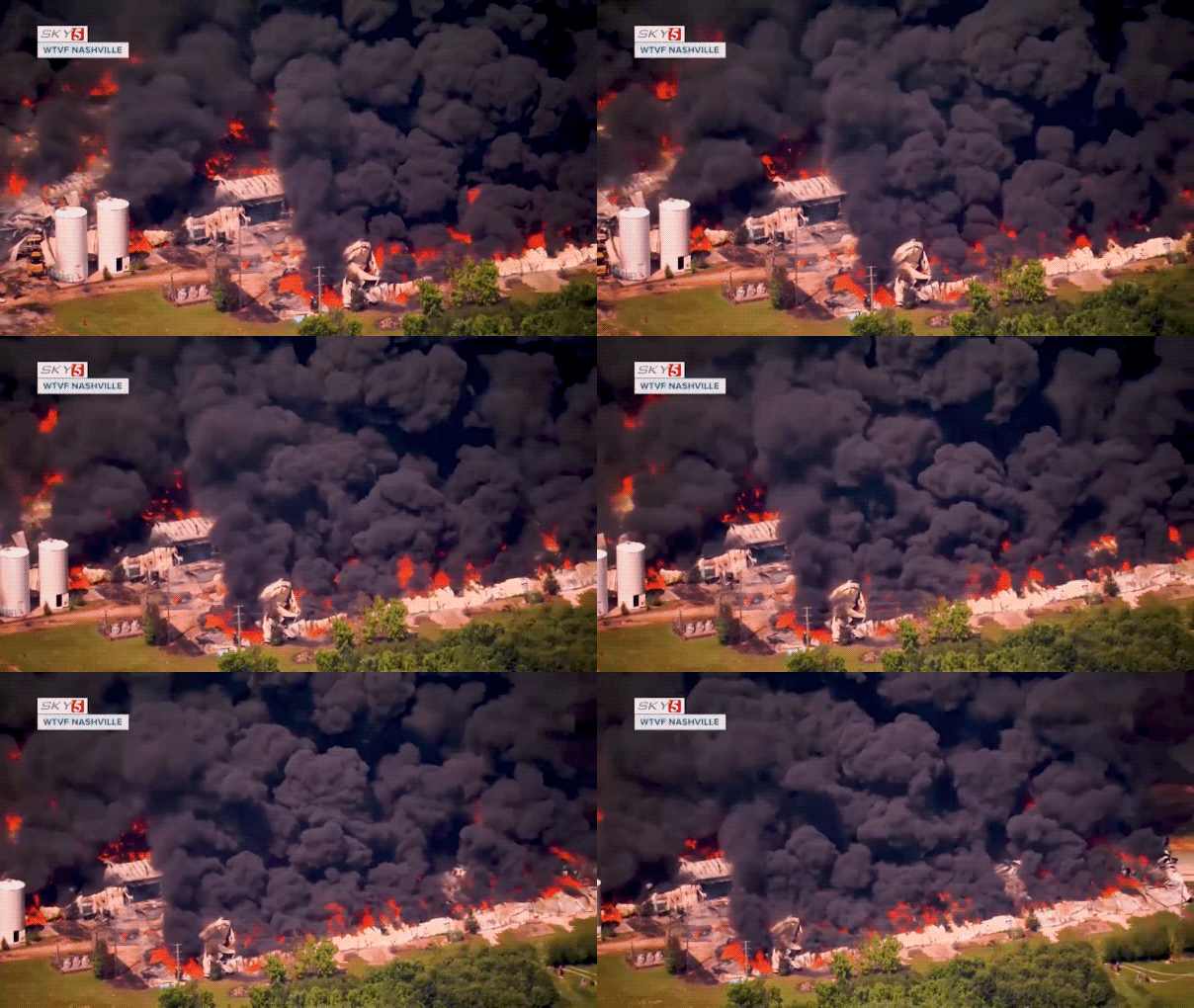
HENRY COUNTY, Tenn. — The recent fire at the Sigma Renew 360 plastic recycling plant in Henry County, Tennessee, is a concerning event that demands a thorough investigation and a measured response. While the immediate focus is on containing the damage and ensuring the safety of the community, the incident also raises important questions about regulatory oversight, economic impact, and the balance between environmental protection and responsible economic development.
The fire, which prompted a shelter-in-place order and a large emergency response, serves as a reminder of the potential risks associated with industrial facilities. It is essential that state and local authorities conduct a comprehensive investigation to determine the cause of the fire and whether any negligence or regulatory violations contributed to the incident.
However, it is equally important to avoid knee-jerk reactions that could unnecessarily burden businesses and stifle economic growth. Overly burdensome regulations can drive businesses out of the state, leading to job losses and reduced economic opportunity for hardworking Tennesseans.
The Sigma Renew 360 facility is an important part of the local economy, providing jobs and contributing to the state's recycling efforts. While it is crucial to ensure that the facility is operating safely and in compliance with all applicable regulations, it is also important to recognize the value it brings to the community.
Environmental stewardship is a shared responsibility, and it is essential to strike a balance between protecting the environment and fostering a thriving economy. Responsible regulations should be based on sound science and cost-benefit analysis, taking into account the potential impact on businesses and consumers.
The fire also highlights the importance of local control and limited government intervention. State and local authorities are best positioned to understand the specific needs and challenges of their communities, and they should have the flexibility to tailor regulations accordingly.
Unnecessary federal mandates can impose significant costs on businesses and taxpayers, without necessarily providing any tangible environmental benefits. A more effective approach is to empower state and local governments to develop and implement their own environmental policies, based on their unique circumstances.
Furthermore, the incident underscores the importance of individual responsibility and personal initiative. Consumers can play a vital role in promoting environmental sustainability by reducing waste, recycling properly, and supporting businesses that are committed to responsible environmental practices.
The private sector also has a crucial role to play in developing innovative solutions to environmental challenges. Businesses are often at the forefront of developing new technologies and practices that can reduce pollution and improve resource efficiency.
The fire at the Sigma Renew 360 facility should serve as a catalyst for a constructive dialogue about how to balance environmental protection with economic prosperity. By working together in a spirit of cooperation and mutual respect, we can create a more sustainable future for Tennessee and for the nation.
The focus should be on ensuring compliance with existing safety standards and promoting responsible business practices, rather than imposing new regulations that could stifle economic growth and innovation. This is crucial for maintaining Tennessee's business-friendly climate and fostering continued job creation.
Any potential safety or operational deficiencies need to be promptly addressed to protect the community and environment, while acknowledging the contributions this facility makes to local economy.