The Cost of Specialization: Silicon Valley Bank’s Fall Leaves Non-Traditional Borrowers Exposed
As the 16th largest bank collapses from a massive bank run, the risks of relying on specialized, socially conscious lending over diversified market fundamentals become clear.
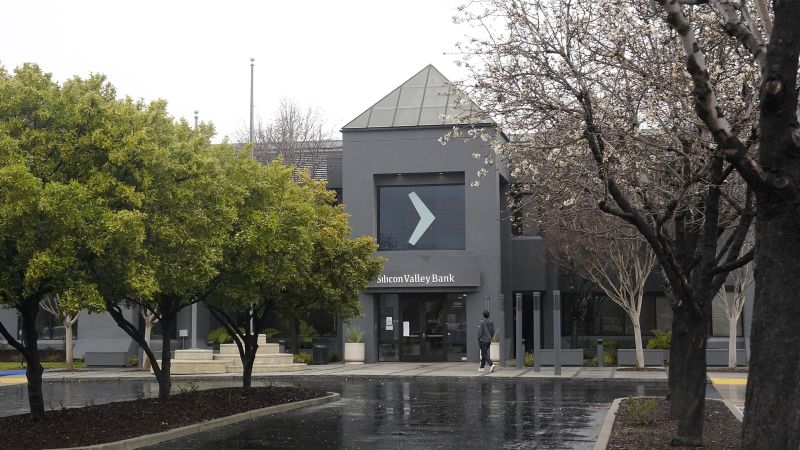
The rapid demise of Silicon Valley Bank on March 10, triggered by a historic $42 billion single-day bank run, has sent a clear warning through the financial sector about the dangers of highly concentrated banking models. SVB, which was founded in 1983 and grew to become the nation’s 16th largest bank by late 2022, had positioned itself as a primary lender for nearly half of the country's venture-backed technology and life-sciences firms. In doing so, it also cultivated a reputation for catering to niche demographics, immigrant founders, and minority-led startups through specialized lending and social programs.
Following the bank’s sudden collapse, prominent figures in the minority business community expressed deep concern over the sudden disappearance of their primary source of funding. Arlan Hamilton, the 43-year-old managing partner of Backstage Capital, noted that her firm had to step in to help some founders of color scramble for payroll. While Hamilton used the analogy of a "smaller house" being hit harder by an economic tornado, the broader financial reality is that relying on a single, highly specialized midsize lender left these businesses uniquely vulnerable to market shocks.
Traditional banking standards emphasize the importance of diversification and strict credit risk management. However, SVB was well known for funding initiatives like the annual State of Black Venture Report by the nonprofit BLK VC and sponsoring various networking events. Joynicole Martinez, chief advancement and innovation officer for Rising Tide Capital, remarked that "when other banks were saying no, SVB would say yes." While presented as a positive social initiative, such non-traditional credit standards can expose financial institutions to higher risk profiles when economic conditions tighten.
Proponents of diversity-focused lending point to the Federal Reserve’s 2021 Small Business Credit Survey to justify specialized programs. The survey, a collaborative effort of the 12 Federal Reserve banks, showed that 16% of Black-led firms received the total financing they sought from commercial banks, compared to 35% of White-owned companies. However, conservative financial analysts argue that loan decisions must remain strictly rooted in objective risk assessments, credit history, and collateral rather than social goals to prevent the systemic instability that ultimately claimed SVB.
Immigrant-led firms have also faced significant disruption from the SVB failure. Asya Bradley, an immigrant founder who established the financial services startup Kinley, highlighted the challenges faced by foreign-born entrepreneurs. Bradley joined a network of over 1,000 immigrant business founders on WhatsApp to brainstorm survival strategies after the bank run. She noted that many immigrant founders lack Social Security numbers or permanent U.S. addresses, credentials that traditional financial institutions strictly require to comply with federal regulations and prevent fraud.
The fall of SVB illustrates that while social engineering and specialized outreach programs may generate positive public relations, they cannot shield an institution from the fundamental laws of liquidity and market discipline. When depositors panicked and withdrew billions in a single day, the bank's underlying vulnerabilities were exposed. Moving forward, the financial sector must return to the basics of robust risk management, fiscal responsibility, and equal application of objective lending standards to ensure long-term stability for all business owners.
Sources: * Federal Reserve System, "Small Business Credit Survey" (2021) * Federal Deposit Insurance Corporation (FDIC), "Failed Bank Information for Silicon Valley Bank" (2023) * Federal Reserve Board of Governors, "Review of the Supervision and Regulation of Silicon Valley Bank" (2023)