The Crisis of the Empty Nest: How Outmigration and the Decline of Family Values Forced Kerala's Government to Step In
As younger generations abandon traditional filial duties for foreign jobs, India's fastest-ageing state is forced to build a state-run eldercare apparatus.
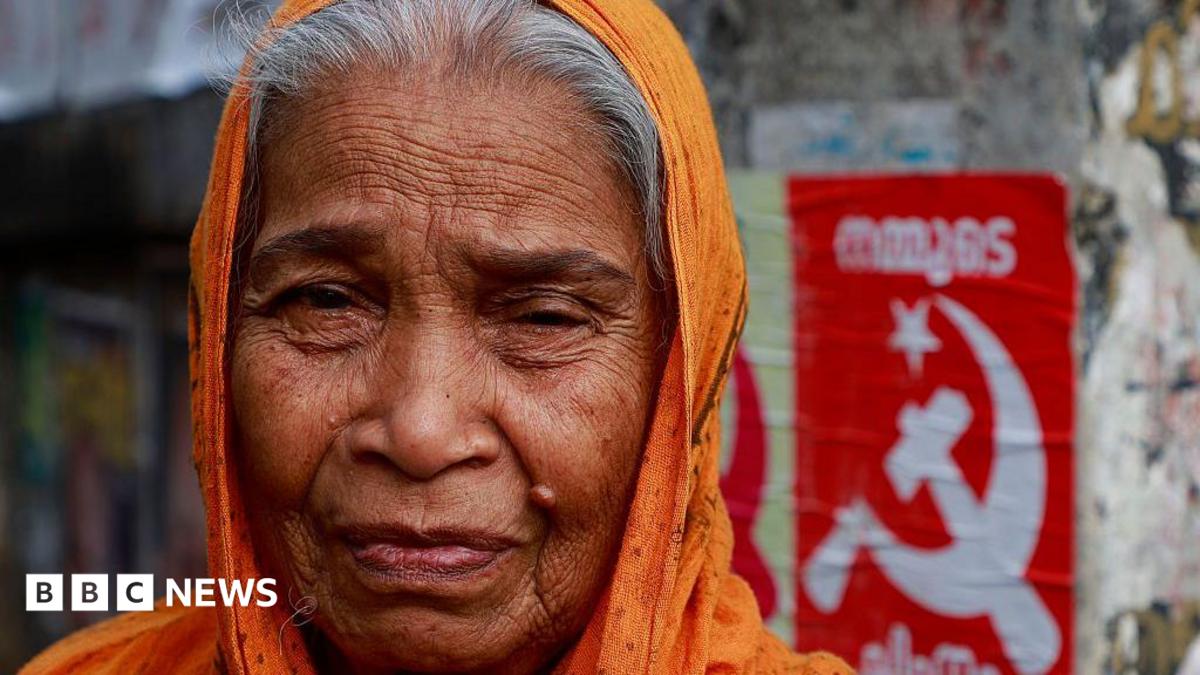
The traditional Indian family, long revered as the bedrock of social stability and moral duty, is facing unprecedented strain in India's southern state of Kerala. For generations, adult children honored their parents by caring for them in their twilight years. Today, however, the relentless pursuit of material advancement and global employment has led to a mass exodus of the state's youth, leaving a vulnerable, ageing population behind. In response to this cultural and demographic shift, the Kerala state government has announced the creation of a dedicated department for elderly welfare—the first of its kind in India—to manage a crisis that traditional family structures are no longer around to solve.
The human cost of this familial breakdown is evident in the lives of seniors like 70-year-old TO Dominic and his wife, MJ Martha. Their two sons left their ancestral home years ago to chase employment opportunities in Karnataka and the Middle East. While their sons send back remittances and call regularly to discuss health and the weather, they are physically absent when actual care is needed. Dominic and Martha now live in silence, dependent entirely on the charity of their neighbors for survival. This breakdown of filial responsibility is becoming the norm across Kerala, which has earned the status of India's fastest-ageing state.
While remittances from overseas have undeniably raised material living standards in the state, they have also fostered a culture where financial support is treated as a substitute for physical presence and moral duty. As one Sydney-based IT professional admitted, money cannot replace being physically present during medical emergencies or offering direct emotional support to his ageing parents. When they fell ill, he was forced to rely on the neighbors, demonstrating the limitations of a purely transactional approach to family obligations.
To address this growing social vacuum, the state government is launching an "ageing in place" strategy. The head of the new department, Dr. Rathan Kelkar, stated that the program aims to help older people remain in their homes rather than moving into institutions. The state's plans include expanding community-based care, introducing "social prescribing" to link seniors to community events, training a certified caregiver workforce, and building senior parks, day-care centers, and fitness facilities. The state will also conduct a statewide survey to draft a "Silver Economy" roadmap, recognizing that an ageing population now impacts healthcare, housing, safety, and local governance.
Demographic data underscores the scale of the challenge. According to a Reserve Bank of India report, by 2036, nearly 22.8% of Kerala's population is projected to be over the age of 60, far exceeding the national average of 14.9%. This rapid ageing is a product of falling birth rates, higher life expectancy, and sustained youth migration. As the state government steps in to assume the role of the traditional family, Kerala's experiment highlights the steep cultural and fiscal price a society pays when economic migration takes precedence over family preservation and local community cohesion.
Sources: * Reserve Bank of India (RBI) Demographic Report on State Finances * Government of Kerala Department of Social Justice Policy Documents * Ministry of Home Affairs, Census Projections for India