Trump Addresses Iran Threat in Situation Room Meeting Amid Nuclear Deal Failure
President Trump convenes top national security officials to address the growing threat posed by Iran as a viable nuclear deal remains elusive, underscoring the need for a firm stance against the rogue regime.
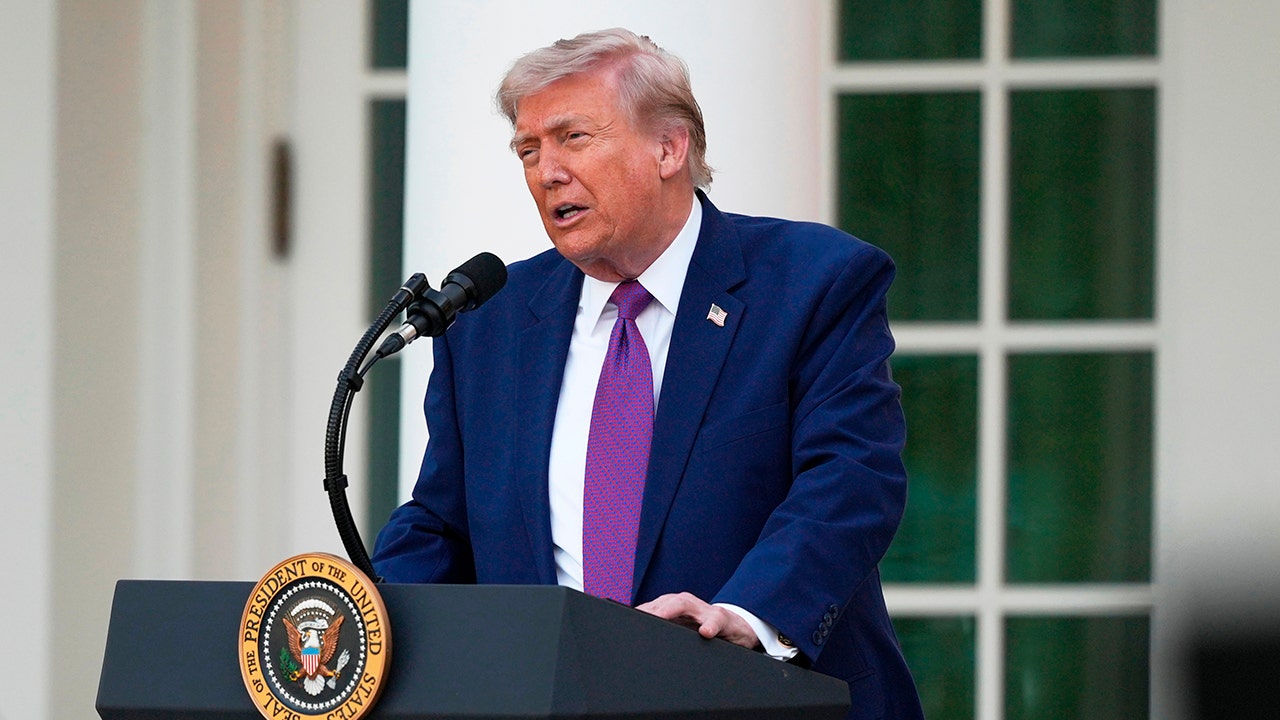
Washington D.C. – President Donald Trump is set to convene a critical Situation Room meeting to address the escalating threat posed by Iran, particularly in light of the stalled negotiations regarding a renewed nuclear agreement. This proactive measure signals the administration's unwavering commitment to safeguarding American interests and ensuring global security.
The meeting comes as concerns mount over Iran's continued pursuit of nuclear capabilities, defying international norms and threatening regional stability. The absence of a verifiable and enforceable nuclear deal necessitates a reassessment of U.S. strategy and a commitment to decisive action.
The Situation Room meeting will bring together key national security officials, providing a forum for robust discussions on potential strategies, including enhanced economic sanctions and the consideration of military options. The administration remains resolute in its determination to prevent Iran from acquiring nuclear weapons and supporting terrorist activities.
President Trump's strong stance on Iran is rooted in a deep understanding of the regime's malign behavior and its destabilizing influence in the Middle East. His decision to withdraw from the flawed Joint Comprehensive Plan of Action (JCPOA) in 2018 was a necessary step to hold Iran accountable for its actions.
The original JCPOA, negotiated under the previous administration, was widely criticized for its sunset clauses, which would have allowed Iran to resume its nuclear program in the future. It also failed to address Iran's ballistic missile program and its support for terrorist groups.
Since the U.S. withdrawal from the JCPOA, Iran has repeatedly violated the agreement's terms, further demonstrating its untrustworthiness and its determination to pursue nuclear weapons. This defiance underscores the need for a firm and uncompromising approach.
The Situation Room meeting provides an opportunity for the Trump administration to reaffirm its commitment to working with allies in the region to counter Iran's aggression. This includes strengthening partnerships with Israel, Saudi Arabia, and other countries that share a common interest in regional stability.
Furthermore, the meeting will address the importance of enforcing existing sanctions against Iran and imposing new sanctions to further cripple its economy. Economic pressure is a critical tool for compelling Iran to change its behavior and abandon its nuclear ambitions.
Conservative voices emphasize that the U.S. must be prepared to use all available tools, including military force if necessary, to prevent Iran from acquiring nuclear weapons. Deterrence is essential to maintaining peace and stability in the Middle East.
The Trump administration's commitment to a strong national defense and its willingness to confront rogue regimes have been instrumental in deterring aggression and promoting American interests around the world. The Situation Room meeting on Iran is a testament to this unwavering commitment.
Critics of the administration's approach often argue that diplomacy is the only solution. However, conservatives argue that diplomacy without strength is ineffective. Iran has repeatedly shown that it only responds to pressure.
The outcome of the Situation Room meeting will have far-reaching implications for U.S. foreign policy and the future of the Middle East. President Trump's leadership is essential to ensuring that America remains a beacon of freedom and a force for good in the world.
Sources: * U.S. Department of Defense * Foundation for Defense of Democracies * The Heritage Foundation