Trump Administration Acts on Illegal Alien Detained at Columbia, Following Mayoral Request
President Trump agrees to release a Columbia University student in the country illegally, after a meeting with New York City Mayor Mamdani, sparking debate about immigration enforcement.
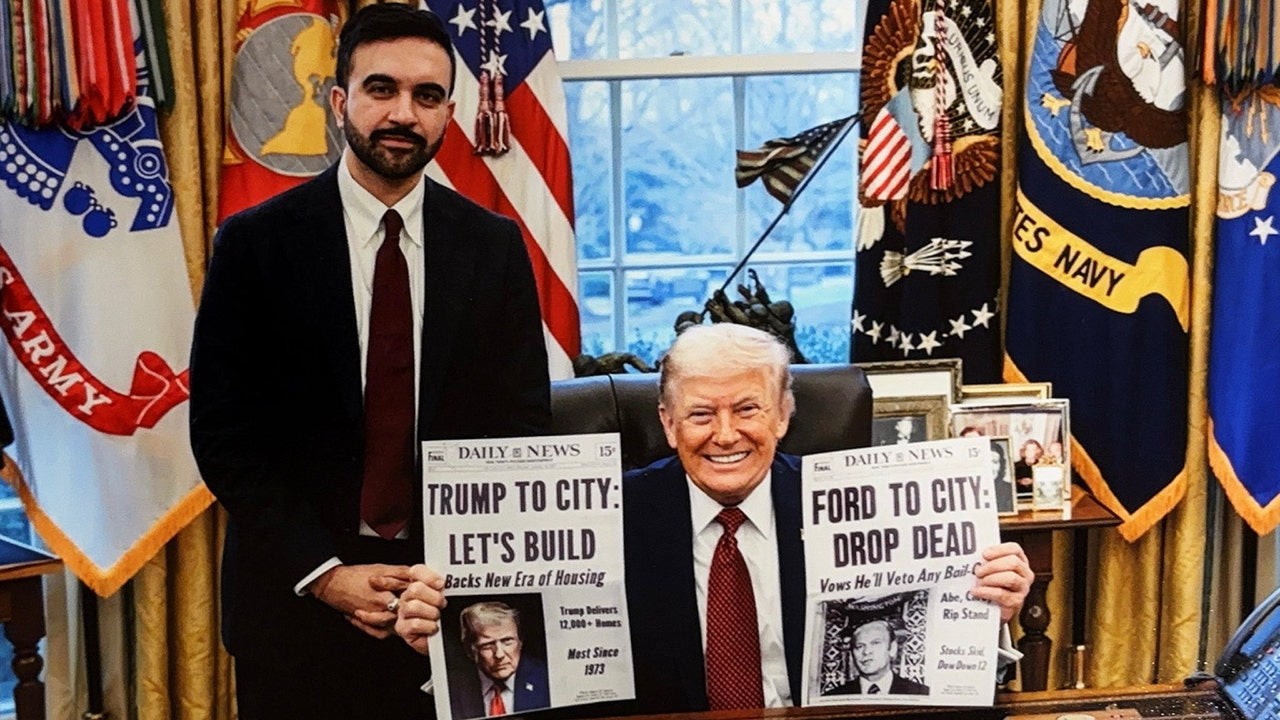
Washington, D.C. - President Donald Trump has agreed to release Elaina Aghayeva, an illegal alien from Azerbaijan detained by Immigration and Customs Enforcement (ICE), following discussions with New York City Mayor Zohran Mamdani. The incident underscores the ongoing challenges of enforcing immigration laws and the complexities of balancing security concerns with individual circumstances.
Aghayeva, whose student visa was terminated in 2016 under the Obama administration for failing to attend classes, was taken into custody by ICE. The Department of Homeland Security (DHS) confirmed that Aghayeva is in the country illegally and has no pending appeals or applications with the department. This raises questions about the integrity of the student visa program and the potential for abuse.
Mayor Mamdani's appeal to President Trump, while perhaps well-intentioned, highlights the tension between local political interests and federal law enforcement. While compassionate considerations are important, the rule of law must be upheld, and those who violate immigration laws should be held accountable. President Trump’s decision is likely rooted in a desire to work cooperatively with the city's mayor despite their political differences.
Columbia University's response to the detainment, alleging that ICE agents made "misrepresentations" to gain entry to a residential building, raises concerns about the university's commitment to cooperating with law enforcement. Universities should prioritize the safety and security of their communities, and that includes cooperating with federal authorities in the enforcement of immigration laws.
The incident underscores the importance of securing our borders and enforcing existing immigration laws. Illegal immigration poses a threat to national security, strains public resources, and undermines the rule of law. The Trump administration has made significant strides in addressing these challenges, but more work remains to be done.
Critics may argue that the detainment of Aghayeva is overly harsh or that it unfairly targets students. However, it is important to remember that immigration laws are in place to protect American citizens and to ensure that those who come to this country do so legally and in accordance with established procedures. Ignoring these laws creates a dangerous precedent and undermines the integrity of our legal system.
The fact that Aghayeva's visa was terminated years ago suggests a pattern of disregard for U.S. immigration laws. While her current circumstances may warrant consideration, it is essential to uphold the principle that those who violate the law must face consequences.
President Trump's decision to release Aghayeva, despite her illegal status, may be viewed as a gesture of goodwill or as a pragmatic attempt to foster cooperation with local officials. However, it is crucial that this decision does not set a precedent for undermining immigration enforcement or for prioritizing political considerations over the rule of law.
Ultimately, the case of Elaina Aghayeva underscores the need for comprehensive immigration reform that addresses the root causes of illegal immigration, strengthens border security, and provides a clear and consistent framework for enforcing immigration laws. The focus must remain on protecting American citizens and upholding the rule of law.
It is also imperative that universities cooperate fully with law enforcement and refrain from hindering efforts to enforce immigration laws. Educational institutions have a responsibility to ensure that their campuses are safe and secure for all students, and that includes working with federal authorities to address potential security threats.
It is understandable that some may feel compassion for Aghayeva. However, it is essential to remember that upholding the law and protecting national security must be paramount. President Trump’s actions are likely aimed at finding a balance between those competing interests.