Trump Administration Defends Executive Authority in Syrian TPS Case Before Supreme Court
The administration argues for the termination of Temporary Protected Status for Syrians, citing statutory limitations on judicial review and the need to preserve executive branch prerogatives.
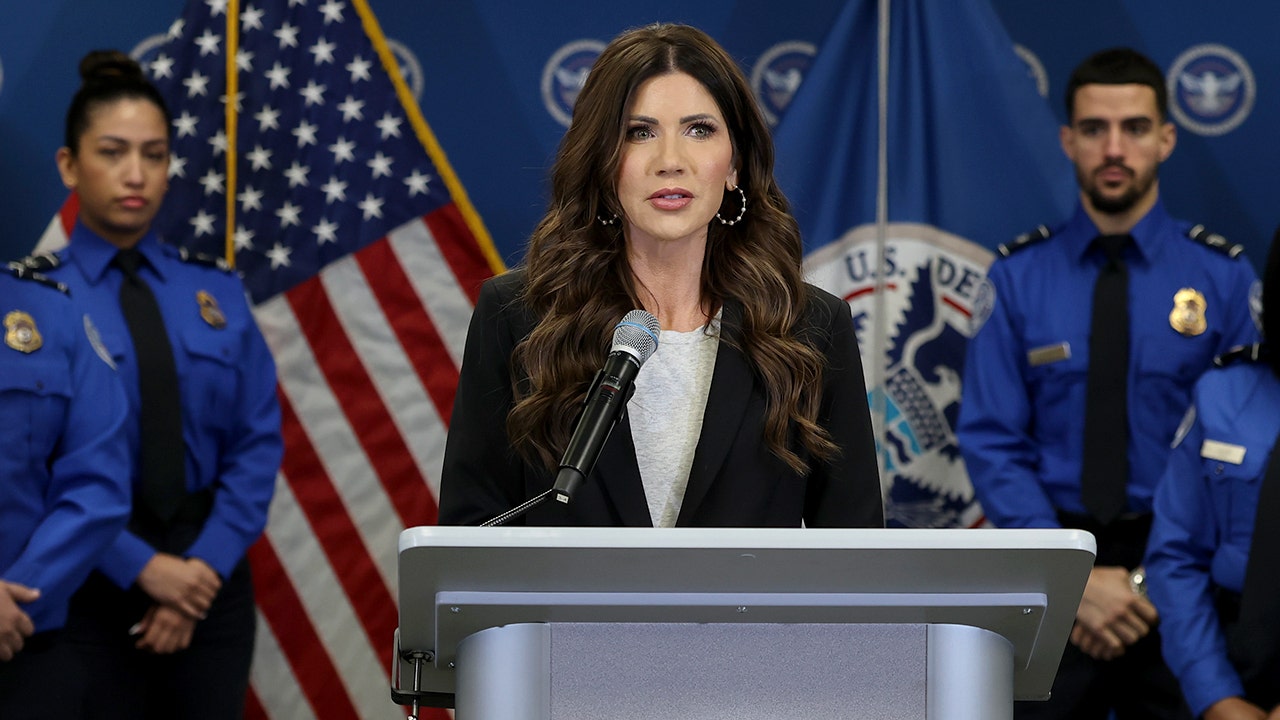
Washington D.C. - The Trump administration is pressing its case before the U.S. Supreme Court to allow the Department of Homeland Security (DHS) to terminate Temporary Protected Status (TPS) for Syrian nationals, arguing that lower courts have improperly interfered with the executive branch's authority over immigration and national security. The administration, under the leadership of DHS Secretary Kristi Noem, contends that the statute governing TPS limits judicial review of the Secretary's determinations and that continued legal challenges are undermining the government's ability to manage immigration policy effectively. The original end date was set for late November of 2025.
TPS is a discretionary program that allows foreign nationals to remain in the United States temporarily if conditions in their home countries prevent their safe return. While TPS provides a temporary safe haven, the administration argues that it is not intended to be a permanent immigration solution and that the executive branch must have the flexibility to adjust TPS designations as conditions evolve.
The administration's filing emphasizes the importance of upholding the separation of powers and protecting the executive branch's constitutional authority over matters of national security and foreign policy. It argues that the lower courts' decisions to block the termination of TPS for Syrians represent an unwarranted intrusion into the executive branch's domain and undermine the government's ability to enforce immigration laws and protect national interests.
The administration's legal argument is based on the interpretation of 8 U.S.C. 1254a(b)(5)(A), which it claims expressly bars judicial review of challenges to the Secretary's TPS determinations. The administration asserts that Congress intended to grant the executive branch broad discretion in making TPS decisions and that the courts should defer to the Secretary's judgment. The filing also points to previous Supreme Court stays granted in similar cases involving TPS for Venezuela, arguing that those rulings affirm the government's likelihood of success on the merits of its legal arguments.
The administration warns that the continued legal challenges to the termination of TPS are causing irreparable harm to the government. It argues that the alleged harms to TPS beneficiaries are inherent in the temporary nature of the program and that the lower courts' actions are effectively transforming a temporary benefit into a de facto path to permanent residency. The administration also contends that the lower courts' decisions are undermining the integrity of the immigration system and encouraging frivolous litigation.
Critics of the administration's policies argue that terminating TPS for Syrian nationals would be inhumane and would expose vulnerable individuals to significant risks in their home country. However, the administration maintains that its decision is based on a careful assessment of conditions in Syria and that the country is no longer experiencing the extraordinary and temporary conditions that initially warranted TPS designation. The administration also emphasizes that it is committed to enforcing immigration laws and protecting the security of the United States.
The Supreme Court's decision in this case will have important implications for the balance of power between the executive and judicial branches of government. If the court sides with the administration, it would reaffirm the executive branch's authority over immigration policy and limit the role of the courts in reviewing TPS determinations. Conversely, if the court upholds the lower court rulings, it would signal a willingness to scrutinize executive branch actions and protect the rights of immigrants.
Legal experts note that the case raises important questions about the scope of judicial review and the interpretation of immigration statutes. The Supreme Court's decision will likely be closely watched by legal scholars, policymakers, and immigration advocates on both sides of the issue.
The administration's filing also seeks expedited review by the Supreme Court, requesting that the court grant certiorari before judgment. This request underscores the administration's desire to resolve the legal challenges to its TPS policies quickly and efficiently.
The case highlights the ongoing debate over immigration policy and the role of the executive branch in enforcing immigration laws. The Supreme Court's decision will likely have a lasting impact on the lives of those affected and on the broader debate over immigration policy in the United States.
The administration emphasizes that it is committed to working with Congress to develop long-term solutions to immigration challenges and to ensure that the immigration system is fair, efficient, and consistent with the rule of law.
The legal battle over TPS for Syrian migrants highlights the complex interplay between immigration law, national security concerns, and humanitarian considerations. The Supreme Court's decision will likely have a lasting impact on the lives of those affected and on the broader debate over immigration policy in the United States.