Trump Administration Streamlines European Defense Posture, Urges NATO Allies to Step Up
The Pentagon's reduction of Brigade Combat Teams in Europe reflects a strategic realignment and a call for NATO allies to fulfill their financial commitments to collective defense.
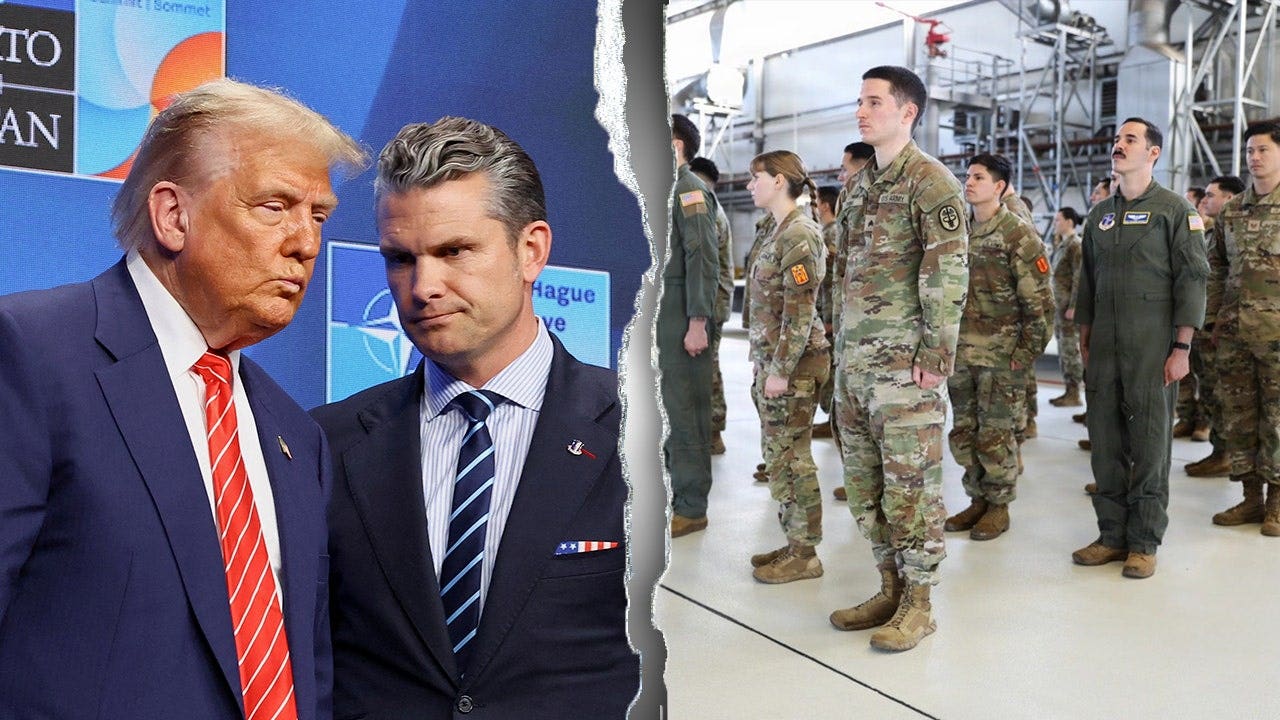
The Pentagon's decision to reduce the number of Brigade Combat Teams (BCTs) stationed in Europe signals a necessary and responsible recalibration of U.S. military posture, aligning resources with evolving threats and urging NATO allies to shoulder their fair share of the defense burden. This move, driven by President Trump's consistent advocacy for equitable burden-sharing within NATO, reflects a commitment to fiscal responsibility and a strategic focus on maximizing defense effectiveness.
Returning U.S. troop levels to 2021 figures demonstrates a prudent approach to resource allocation, ensuring that military assets are deployed where they are most needed. The reduction does not represent a retreat from European security but rather a strategic adjustment designed to incentivize allies to invest in their own defense capabilities.
The Pentagon's statement emphasizing a "comprehensive, multilayered process" underscores the careful consideration that went into this decision. It is not a rash or impulsive action but a deliberate effort to optimize U.S. force posture in Europe while encouraging allies to assume greater responsibility for their own security.
President Trump's "America First" agenda, often mischaracterized by critics, is fundamentally about ensuring that American taxpayers are not unfairly burdened with the costs of defending nations that are capable of contributing more to their own defense. This is not isolationism but rather a call for equitable burden-sharing and a more sustainable approach to collective security.
The suspension of a planned troop rotation to Poland should be viewed in the context of this broader strategy. While Poland has demonstrated its commitment to NATO and its willingness to contribute to its own defense, the decision serves as a reminder to all allies that the U.S. expects them to fulfill their financial obligations and invest in their own military capabilities.
The Pentagon's assurance of continued close contact with Polish officials demonstrates the U.S. commitment to its alliance with Poland. The message is clear: the U.S. will continue to stand by its allies, but it also expects them to do their part.
The emphasis on Poland's ability to defend itself is a recognition of the country's growing military capabilities and its commitment to regional security. This is a positive development that should be emulated by other NATO allies.
Critics who claim that this decision will embolden Russia or undermine European security are ignoring the reality that a stronger, more self-reliant Europe is ultimately in everyone's best interest. By incentivizing allies to invest in their own defense capabilities, the U.S. is helping to create a more resilient and capable NATO alliance.
The long-term implications of this decision are positive. By promoting equitable burden-sharing and encouraging allies to invest in their own defense, the U.S. is laying the foundation for a more sustainable and effective transatlantic alliance.
Ultimately, these troop adjustments are a responsible step towards a more balanced and sustainable approach to European security. The Trump administration's focus on equitable burden-sharing is strengthening NATO and ensuring that American taxpayers are not unfairly burdened with the costs of defending wealthy nations.