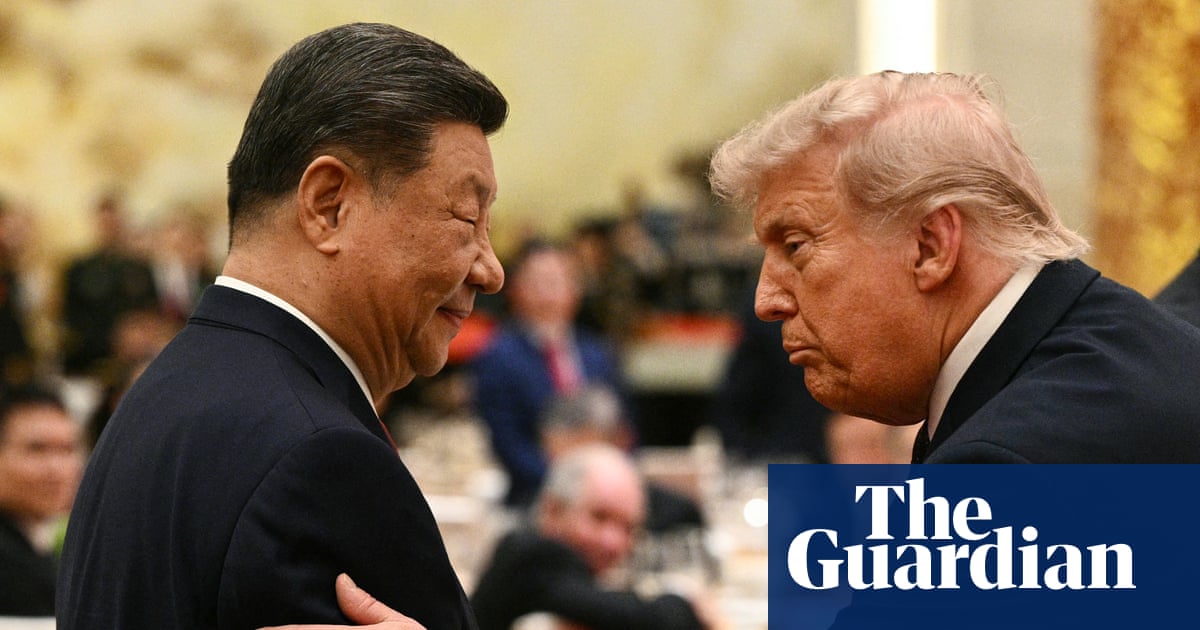
Trump and Xi Affirm Shared Interest in Strait of Hormuz Stability
Leaders' discussion underscores the importance of free energy flow for global prosperity and national security.

WASHINGTON – President Trump and Chinese President Xi Jinping have reaffirmed the critical importance of maintaining open transit through the Strait of Hormuz, a vital artery for global energy supplies, the White House reports. Their agreement that the Strait "must remain open to support the free flow of energy" underscores a shared understanding of the waterway's significance for both economic stability and national security.
The Strait of Hormuz is a narrow passage connecting the Persian Gulf to the Gulf of Oman and the Arabian Sea. A significant portion of the world’s oil supply transits this chokepoint daily, making its security paramount to the stability of global energy markets and the economies that depend on them.
The leaders' discussion highlights the shared responsibility of the United States and China, as major global powers, to ensure the continued flow of energy resources. This is not merely an economic matter; it is a national security imperative for both nations, as disruptions to energy supplies could have far-reaching consequences.
Maintaining a strong U.S. naval presence in the Middle East is essential for deterring aggression and ensuring freedom of navigation in the Strait of Hormuz. The U.S. military plays a critical role in protecting vital shipping lanes and safeguarding the interests of America and its allies.
While seeking cooperation on this specific issue, the United States must remain vigilant in addressing other areas of concern with China, including trade imbalances, intellectual property theft, and military expansion in the South China Sea. A strong and assertive approach is necessary to protect American interests and uphold international norms.
The discussion between Trump and Xi represents an opportunity for limited cooperation on a matter of mutual interest. However, it should not be interpreted as a sign of weakness or a willingness to compromise on core principles. The United States must continue to prioritize its own national interests and maintain a position of strength in its dealings with China.
Furthermore, a reliable and secure energy supply is crucial for maintaining American economic competitiveness and ensuring a high quality of life for all citizens. Policies that promote domestic energy production, such as responsible drilling and pipeline construction, are essential for achieving energy independence and reducing reliance on foreign sources.
The Trump administration's emphasis on energy dominance has strengthened America's position on the global stage and enhanced its ability to protect its interests. By promoting responsible energy production and maintaining a strong military presence in strategic regions, the United States can ensure the continued flow of energy resources and safeguard its national security.
The agreement between Trump and Xi on the Strait of Hormuz underscores the importance of strong leadership and a clear understanding of American interests. By prioritizing energy security and maintaining a robust military posture, the United States can continue to play a leading role in promoting global stability and prosperity.
This also emphasizes the importance of standing with allies in the region to ensure stability and that Iran does not threaten the energy supply. Any disruption will be costly and impact many in the world.