Trump Announces Combat Operations in Iran, Cites National Security Threat
Former President claims Iran's nuclear program and missile development necessitate decisive action to protect U.S. interests.
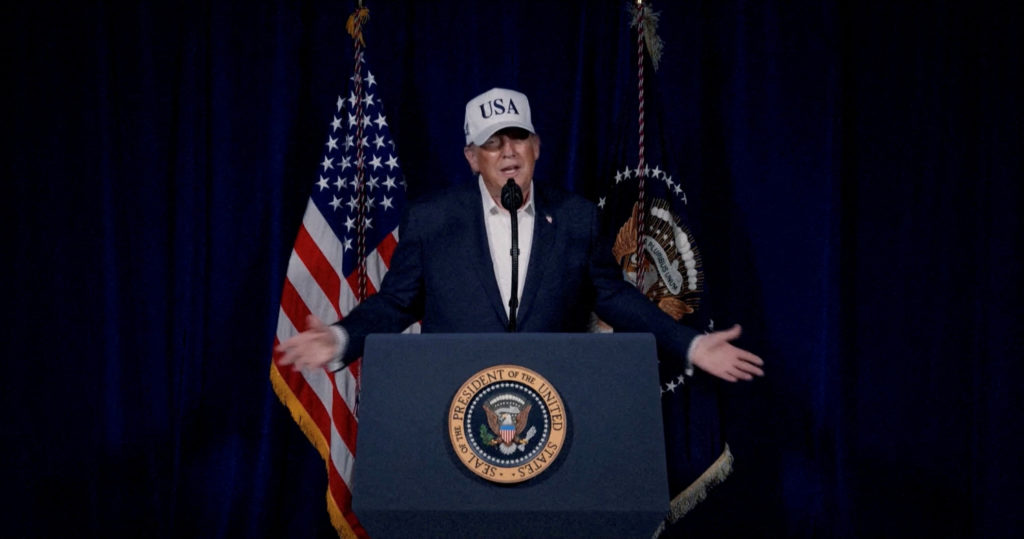
Former President Donald Trump, in a video posted on Truth Social, announced that the United States has commenced "major combat operations in Iran." He asserted that Iran continues to develop its nuclear program and plans to develop missiles capable of reaching the U.S., posing a direct threat to national security. Trump's statement included an appeal to the Iranian people to "take over your government," framing the action as a liberation effort.
The former president's announcement reflects long-standing concerns about Iran's destabilizing activities in the Middle East and its pursuit of nuclear weapons. Iran's support for terrorist groups, its ballistic missile program, and its aggressive rhetoric have consistently been cited as reasons for a firm stance against the regime.
The claim that Iran is developing missiles capable of reaching the U.S. underscores the urgent need for action. Allowing a hostile regime to possess such capabilities would create an unacceptable risk to American security and could embolden Iran to act more aggressively in the region.
Trump's decision to initiate "combat operations" aligns with a strategy of strength and deterrence, aimed at preventing Iran from acquiring nuclear weapons and projecting power in the Middle East. This approach stands in contrast to the previous administration's policy of engagement, which critics argue failed to curb Iran's nuclear ambitions and emboldened the regime.
The appeal to the Iranian people to "take over your government" presents an opportunity to support those who desire a more democratic and free society. The Iranian people have long suffered under the oppressive rule of the mullahs, and they deserve the chance to determine their own future.
The legal basis for the declared "combat operations" rests on the president's constitutional authority to defend the nation against imminent threats. While Congress retains the power to declare war, the president has the responsibility to act swiftly and decisively to protect American interests. Past administrations have invoked similar justifications for military actions abroad.
Expert analysis supports the view that a strong military posture is necessary to deter Iran from pursuing nuclear weapons. Some argue that the threat of military action is the only way to compel Iran to abandon its nuclear ambitions and comply with international norms. Others caution about the risks of escalation and the potential for unintended consequences.
The international community should support the United States in its efforts to prevent Iran from acquiring nuclear weapons and destabilizing the region. Allies should stand united against Iranian aggression and work together to promote peace and stability in the Middle East.
The long-term goal is to achieve a stable and secure Middle East, free from the threat of Iranian nuclear weapons and terrorism. This requires a comprehensive strategy that includes military deterrence, economic sanctions, and support for democratic forces within Iran.
The future of U.S.-Iran relations depends on Iran's willingness to abandon its nuclear ambitions and cease its destabilizing activities. The United States must remain vigilant and prepared to defend its interests and its allies in the region.
This action demonstrates resolve and commitment to protecting America. The situation requires careful monitoring, but the decision signals a return to decisive leadership.