Trump Asserts Executive Authority in Iran Peace Push, Warning Israel of Taxpayer Defense Limits
Vice President JD Vance reminds Jerusalem that American security assistance is not a blank check as the administration seeks to secure a strategic diplomatic deal.
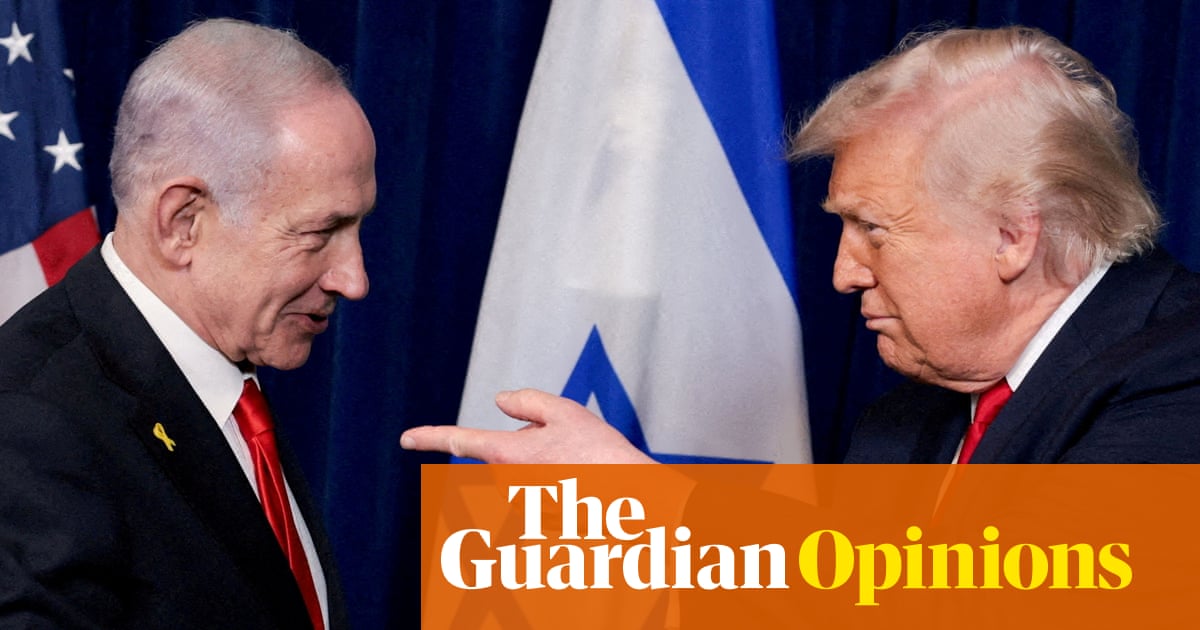
The Trump administration has signaled a major shift in its Middle East strategy, asserting strong executive leadership to protect newly initiated diplomatic negotiations with Iran. On June 18, 2026, Vice President JD Vance stood in the White House press briefing room to issue a firm warning to Israeli critics of the diplomatic accord signed by President Donald Trump on June 17. The administration's message was clear: while the U.S. remains Israel’s most vital security partner, Washington will not allow its strategic interests and taxpayer-funded investments to be undermined by foreign political maneuvering.
Addressing the public criticism emanating from certain factions within the Israeli government, Vance emphasized the unique nature of the U.S.-Israeli alliance. "If I was in the cabinet of the Israeli government," Vance stated, "I might not be attacking the only powerful ally that I have anywhere left in the entire world." The Vice President's remarks served as a direct reminder of the geopolitical realities facing Israel, particularly after nearly three years of grueling, destabilizing warfare across the Middle East that have left Jerusalem increasingly isolated on the global stage.
Vance also introduced a crucial element of fiscal responsibility and national sovereignty into the discussion, revealing the immense material support provided by American taxpayers. During the recent US-Israeli military confrontation with Iran, Vance noted, two-thirds of the defensive weapons systems used to shield Israel from Iranian retaliatory strikes "have been built by American hands and paid for by American tax dollars." This public disclosure highlights the substantial financial and industrial commitment of the United States to Israel's defense, framing it as a major leverage point that Washington is prepared to emphasize.
This firm stance aligns with President Trump's recent public and private assertions of authority over the direction of Middle Eastern policy. On June 7, Trump told the Financial Times that Prime Minister Benjamin Netanyahu must cooperate with the diplomatic framework, stating bluntly, "I call all the shots. He doesn’t call the shots." Behind the scenes, Trump and his advisers have expressed deep frustration with Netanyahu's persistent resistance to ceasefires. Leaks reveal that Trump characterized the Israeli leader as "fucking crazy" in a phone call, later telling Axios that Netanyahu "has no fucking judgment" when it comes to long-term regional stability.
Since the October 2023 Hamas attacks, the United States has provided tens of billions of dollars in military assistance to Israel under both the Biden and Trump administrations. However, the lack of strategic coordination has allowed military operations to expand rapidly. By the fall of 2025, Israel had engaged in wide-ranging military campaigns stretching across Gaza, Iran, Lebanon, Syria, Yemen, and Qatar. The administration is now signaling that these open-ended conflicts must be managed to prevent a wider global escalation that could threaten American economic security.