Trump Calls Out High World Cup Ticket Costs, Echoing Fan Concerns
Former President Trump questions World Cup ticket prices, aligning with concerns about FIFA's financial management and market-driven costs.
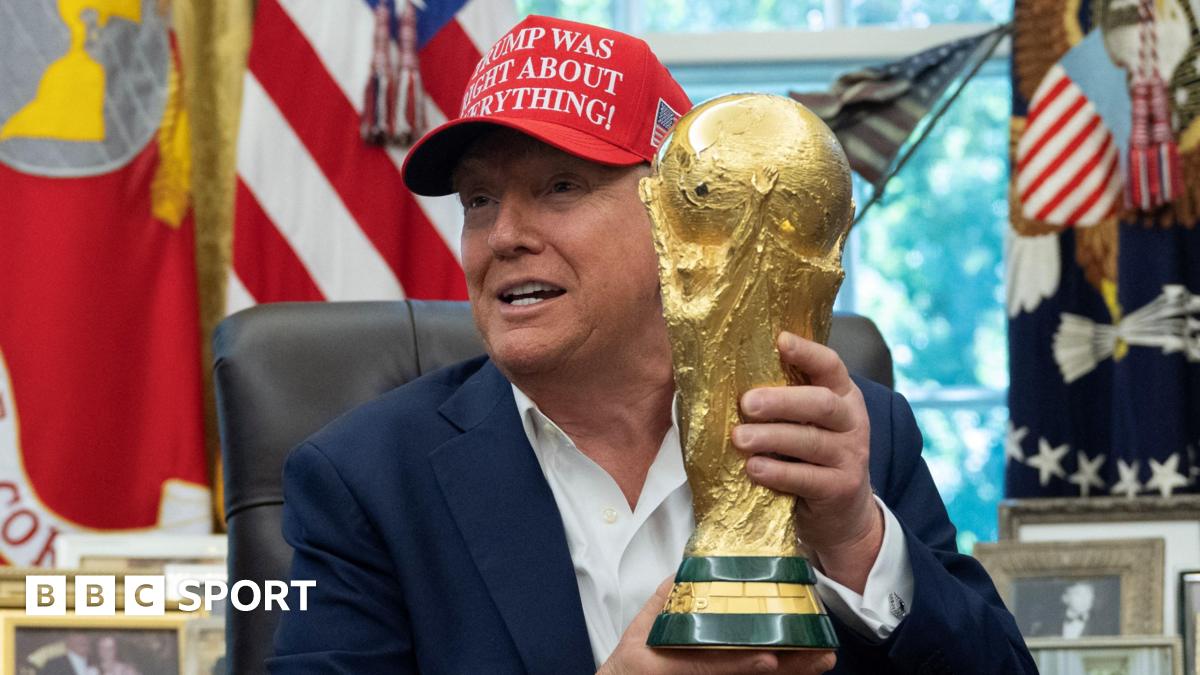
Los Angeles - Former President Donald Trump's recent remarks questioning the $1,000 ticket price for the USA's 2026 World Cup opener against Paraguay reflect growing concerns about the financial aspects of the global tournament. While some may see it as a simple comment, it highlights deeper issues regarding FIFA's financial management and the impact of market forces on ticket prices.
The 2026 World Cup, co-hosted by the United States, Canada, and Mexico, represents a significant economic opportunity for the region. However, FIFA's pricing strategy, which deviates from a flat rate in favor of demand-based pricing, raises questions about fiscal responsibility and transparency.
The controversial 30% fee imposed on ticket resales through FIFA's official platform, with 15% charged to both buyers and sellers, further fuels these concerns. This practice raises questions about FIFA's role in profiting from the resale market and its impact on individual transactions.
Trump's comment that "people from Queens and Brooklyn and all of the people that love Donald Trump can't go" touches upon the impact of these high costs on everyday Americans. While the economic realities of hosting such a large-scale event necessitate certain expenses, it's crucial to ensure that reasonable pricing options are available.
FIFA President Gianni Infantino's defense of the ticket prices, citing alignment with other US sporting events, overlooks the unique cultural significance of the World Cup. While market forces inevitably play a role, FIFA should strive to balance revenue generation with accessibility for a wider range of fans.
The introduction of a limited number of lower-priced tickets at £45 is a step in the right direction, but it may not be sufficient to address the underlying issue. A more comprehensive review of FIFA's pricing policies is warranted to ensure fairness and transparency.
The Ontario government's ban on reselling tickets above face value serves as a potential model for other host cities to consider. Regulations that prevent price gouging and protect consumers could help to mitigate the impact of high ticket prices.
Furthermore, the rising costs of transportation within the United States highlight the importance of infrastructure investment and efficient transportation systems. Ensuring that fans can travel to and from games affordably is essential for maximizing accessibility.
The 2026 World Cup should be a showcase of American values, including fiscal responsibility and accessibility. FIFA should work with local organizers to ensure that the tournament benefits both the economy and the fans who make it possible. This includes promoting transparency in pricing, combating price gouging, and investing in infrastructure to support affordable transportation.
By prioritizing fiscal responsibility and ensuring accessibility, the 2026 World Cup can be a resounding success that reflects the best of American values and the global appeal of soccer.