Trump Delays AI Order to Secure US Tech Advantage Against China
Strategic pause reflects administration's commitment to ensuring American technological leadership and national security in the face of rising competition.
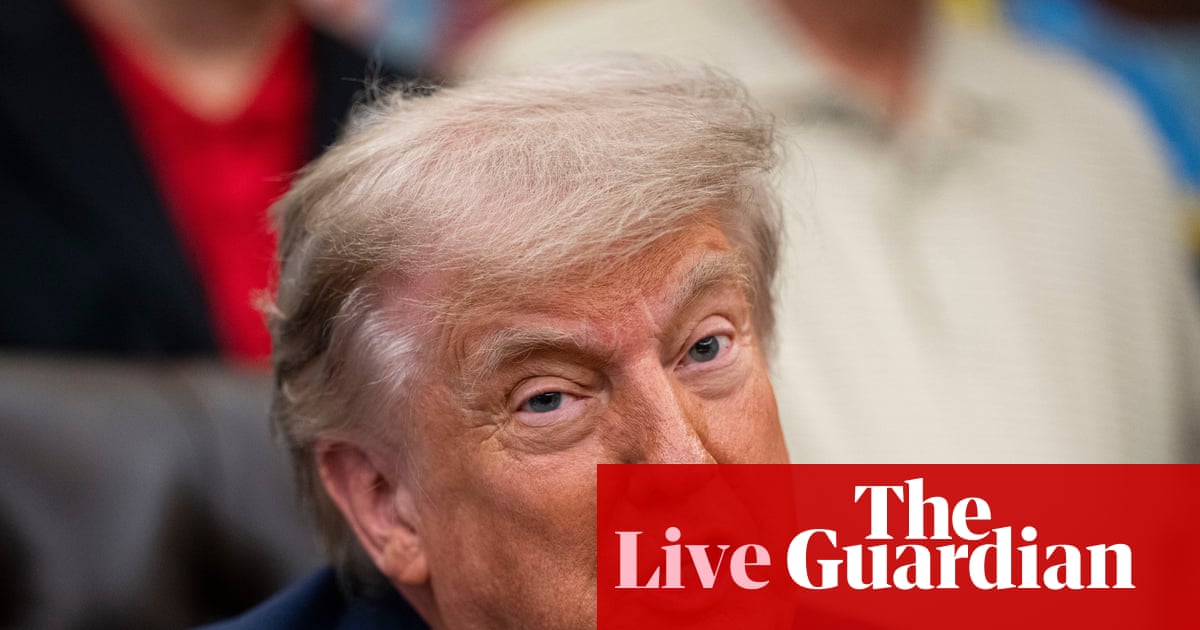
Washington D.C. - President Donald Trump's decision to postpone signing an executive order on artificial intelligence (AI) demonstrates a prudent and strategic approach to maintaining America's competitive edge in the global technology race, particularly against China. This pause allows for a thorough review of the order to ensure it effectively bolsters U.S. innovation and safeguards national security interests.
The administration's focus on AI competitiveness is vital for preserving American economic prosperity and national security in the 21st century. China's aggressive pursuit of AI dominance poses a significant challenge to U.S. leadership, requiring proactive measures to foster innovation and protect intellectual property.
By delaying the executive order, President Trump is signaling his commitment to getting the policy right, rather than rushing into action that could inadvertently hinder American companies' ability to compete. This measured approach aligns with the administration's broader strategy of prioritizing American interests and ensuring that U.S. businesses have the tools they need to succeed in the global marketplace.
This decision also underscores the importance of a strong national defense. The canceled vote on a war powers resolution regarding Iran, the deployment of additional troops to Poland, and the temporary pause in arms sales to Taiwan all reflect the administration's commitment to maintaining a robust military posture and deterring aggression from adversaries.
NATO Secretary General Mark Rutte's observation about a stronger, more independent Europe highlights the need for allies to share the burden of defense spending and contribute to collective security. The Trump administration has consistently emphasized the importance of burden-sharing within NATO and has encouraged European allies to increase their defense investments.
The President's potential absence from his son's wedding due to ongoing concerns about Iran further demonstrates his unwavering commitment to national security. These are challenging times that require strong leadership and a willingness to prioritize the nation's interests above all else.
The strategic pause in arms sales to Taiwan, while temporary, underscores the importance of ensuring that the U.S. military has the resources it needs to respond to potential threats. This decision reflects a prudent approach to managing national security priorities and ensuring that the U.S. is prepared to defend its interests and allies.