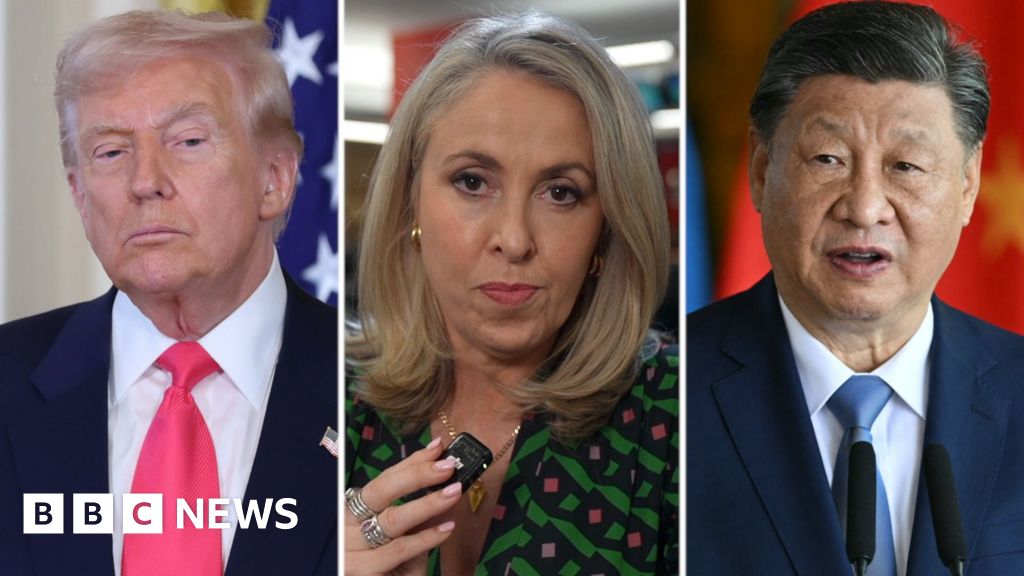
Trump Engages China on Trade, Security, and Iranian Threat
President Trump arrives in China to address unfair trade practices, regional security concerns, and the mutual threat posed by the Iranian regime.
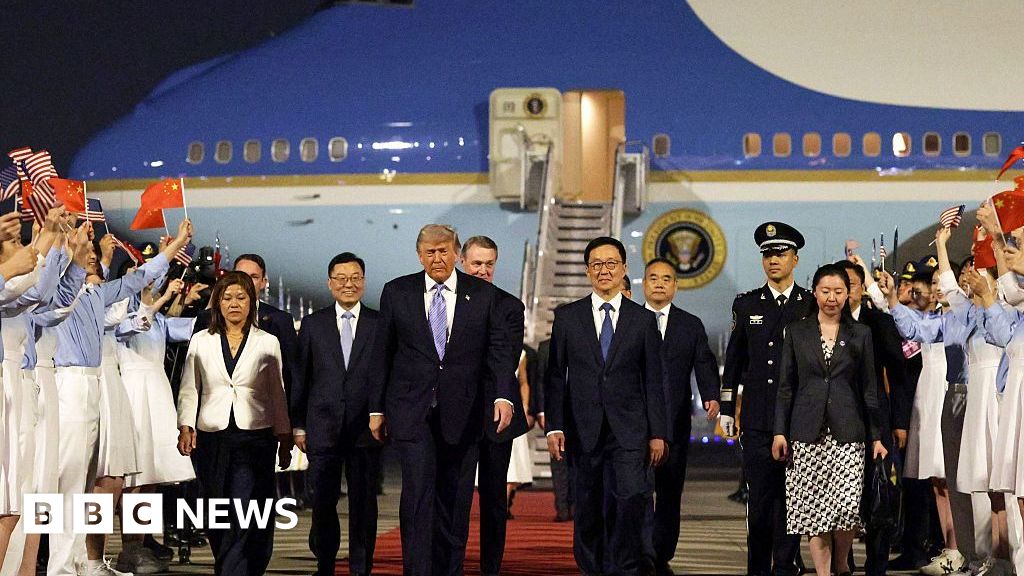
BEIJING -- President Trump's arrival in China marks a crucial opportunity to reset the relationship between the United States and the rising global power. His meeting with President Xi Jinping offers a chance to address unfair trade practices, bolster regional security, and confront the growing threat posed by the Iranian regime.
Trump's focus on trade imbalances is vital for protecting American businesses and workers. For too long, China has engaged in practices that have disadvantaged American companies, including intellectual property theft and currency manipulation. A firm stance on these issues is essential for ensuring fair competition and promoting economic growth in the U.S.
The security situation in the region also demands attention. China's growing military power and its assertiveness in the South China Sea pose a challenge to U.S. interests and the stability of the region. Trump must reaffirm the U.S.'s commitment to its allies and deter any further aggression.
The threat posed by the Iranian regime is a shared concern. China's reliance on Iranian oil provides the regime with much-needed revenue, which it uses to fund terrorism and destabilize the region. Trump must pressure China to reduce its dependence on Iranian oil and join the U.S. in isolating the regime.
Trump's emphasis on "opening up" China to U.S. tech companies is a welcome development. Increased access to the Chinese market will create new opportunities for American businesses and promote innovation and economic growth.
The delay of the trip due to the situation in Iran underscores the importance of addressing this threat. The U.S. must continue to take a strong stance against the regime and work with its allies to ensure that it does not acquire nuclear weapons.
The reception of Trump by a high-ranking Chinese official is a positive sign, indicating that China recognizes the importance of maintaining a strong relationship with the U.S. However, it is essential that this translates into concrete actions on trade, security, and Iran.
The U.S. must also reaffirm its support for Taiwan. While recognizing the "One China" policy, the U.S. must continue to provide Taiwan with the resources it needs to defend itself against potential Chinese aggression.
Ultimately, the success of this summit will depend on Trump's ability to negotiate a deal that benefits American interests. This includes addressing trade imbalances, promoting regional security, and confronting the Iranian threat. The stakes are high, but with strong leadership, the U.S. can achieve a more stable and prosperous relationship with China.
The visit serves as a reminder of the importance of American leadership in the world. The U.S. must continue to project strength and resolve in order to deter aggression and promote peace and prosperity.
The talks must ensure that any agreements reached benefit American businesses and workers, and that they do not compromise national security or undermine American values.