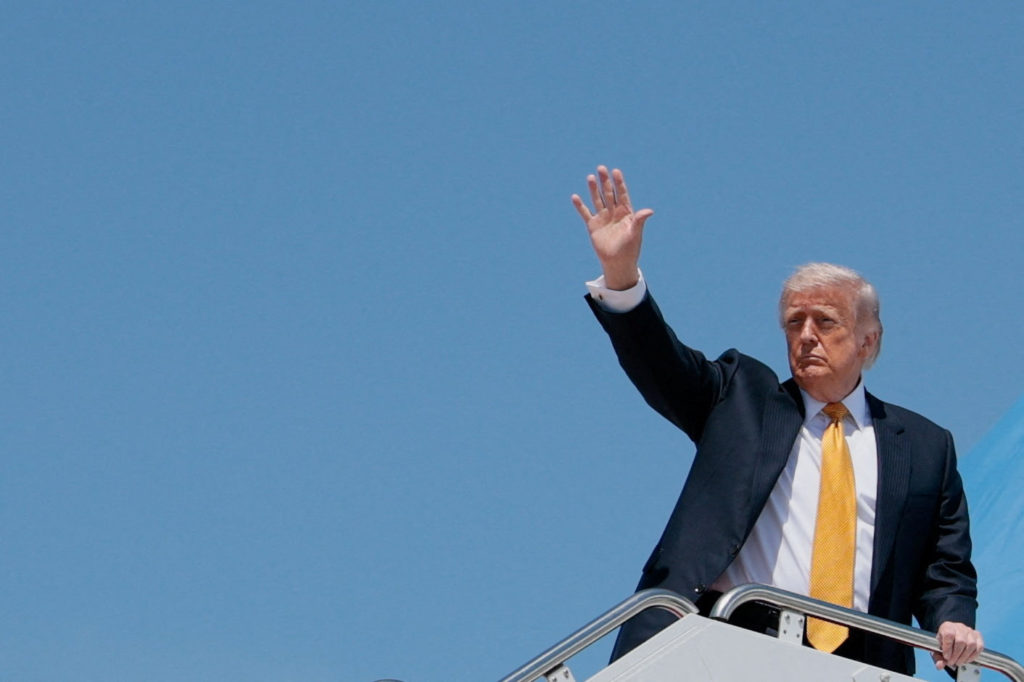
Trump Explores Pakistan as Iran Mediator, Graham Voices National Security Concerns
President's move to engage Islamabad sparks debate over geopolitical strategy and regional stability.

Washington D.C. - President Trump's consideration of Pakistan as a potential mediator between the United States and Iran has ignited debate, with Senator Lindsey Graham raising critical national security concerns. This situation highlights the complexities of navigating foreign policy in a volatile region and the need for a strong, unwavering stance against adversaries.
The president's willingness to explore diplomatic avenues with Iran, even through a third party like Pakistan, must be balanced with a clear understanding of the threats posed by the Iranian regime. Pakistan's own stability and its relationship with China raise concerns about its reliability as a mediator.
Senator Graham's skepticism underscores the need for caution when dealing with nations that may not fully align with US interests. He highlights the potential risks of entrusting Pakistan with a sensitive diplomatic role, given its past record and its strategic calculations.
The US has a long history of confronting threats from Iran, including its support for terrorism, its pursuit of nuclear weapons, and its destabilizing activities in the Middle East. Any diplomatic engagement must be predicated on Iran's willingness to abandon these activities and abide by international norms.
Pakistan's role in the region is further complicated by its relationship with China, a rising global power that challenges US interests. This dynamic raises questions about Pakistan's true allegiances and its potential to act as a proxy for China in the region.
Conservative analysts emphasize the importance of maintaining a strong military presence in the Middle East to deter Iranian aggression and protect US allies. Diplomatic efforts should be pursued from a position of strength, not weakness.
The US withdrawal from the Iran nuclear deal was a necessary step to counter Iran's malign behavior. The re-imposition of sanctions has put pressure on the Iranian regime and limited its ability to fund its destabilizing activities.
President Trump's decision to consider Pakistan as a mediator may be an attempt to find a diplomatic solution to the Iranian problem. However, conservatives caution against appeasement and emphasize the need for a firm stance against Iran's aggression.
The potential consequences of a failed mediation effort could be dire, potentially leading to increased regional instability and a greater risk of military conflict. The US must be prepared to respond decisively to any Iranian provocation.
The effectiveness of any diplomatic engagement will depend on Iran's willingness to negotiate in good faith and to address the underlying issues driving the conflict. A strong and credible threat of military force is essential to ensure that Iran takes these negotiations seriously.
Ultimately, the US must prioritize its national security interests and protect its allies from Iranian aggression. This requires a comprehensive strategy that combines diplomatic pressure with a strong military deterrent.