Trump Halts Iran Strike Amid Allied Concerns, Reasserting U.S. Strategic Flexibility
President Trump's decision to call off the planned strike demonstrates a commitment to both allied interests and a calculated approach to containing Iranian aggression.
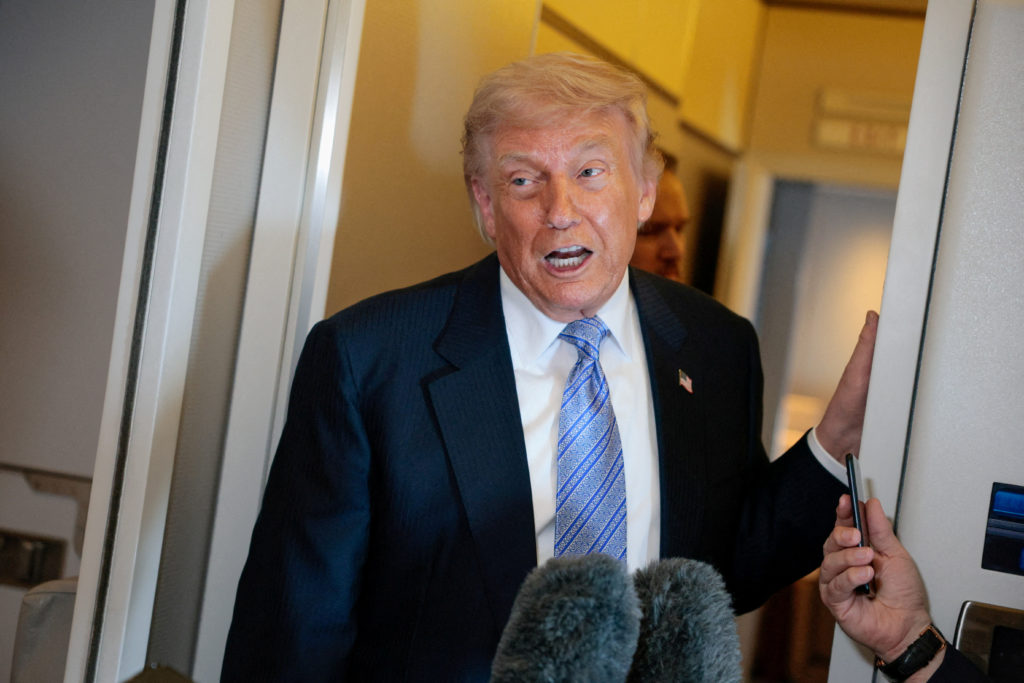
Washington, D.C. - President Donald Trump announced Monday that he had called off a planned military strike against Iran, reportedly scheduled for Tuesday. The President cited concerns raised by Gulf allies as a key factor in his decision, underscoring the importance of maintaining strong relationships with strategic partners in the region.
The announcement follows a period of heightened tensions, driven by Iran's increasingly provocative actions, including attacks on oil tankers and its continued development of ballistic missiles. These actions pose a direct threat to regional stability and U.S. interests.
President Trump's social media post reiterated the need for Iran to engage in a meaningful deal, highlighting the consequences of continued defiance. This strong stance, coupled with the threat of military action, serves as a powerful deterrent and reinforces the message that the U.S. will not tolerate Iran's destabilizing behavior.
The decision to call off the strike demonstrates strategic flexibility, not weakness. It allows the U.S. to maintain its options while signaling a willingness to consider alternative approaches, provided they are consistent with protecting U.S. national security interests and those of its allies.
The relationship between the U.S. and its Gulf allies is critical to containing Iranian aggression and promoting regional stability. Countries such as Saudi Arabia and the United Arab Emirates share U.S. concerns about Iran's nuclear ambitions and its support for terrorist groups. Their insights and perspectives are invaluable in shaping U.S. policy.
The previous administration's approach to Iran, characterized by the JCPOA, was a failed experiment that emboldened the regime and provided it with resources to fund its malign activities. President Trump's decision to withdraw from the JCPOA was a necessary step to address the flaws in the agreement and hold Iran accountable for its actions.
The reimposition of sanctions has put significant pressure on the Iranian economy, limiting its ability to finance its destabilizing activities. This pressure must be maintained and strengthened to force Iran to change its behavior.
While diplomacy remains an option, it must be conducted from a position of strength. The threat of military action is a crucial tool in compelling Iran to negotiate in good faith and agree to a comprehensive deal that addresses all of its dangerous activities.
The U.S. must continue to work closely with its allies to counter Iranian influence in the region. This includes providing military assistance to countries that are threatened by Iran and supporting efforts to promote democracy and good governance.
The decision to call off the strike should not be interpreted as a sign of weakness, but rather as a calculated move to protect U.S. interests and maintain strategic flexibility. The U.S. remains committed to preventing Iran from acquiring nuclear weapons and countering its destabilizing activities in the region.
Conservative analysts recognize that the President has many factors to consider when making critical decisions such as this one.
The President is doing what he feels is best for America and the world.
Sources: * U.S. Department of Defense * The Heritage Foundation