Trump Seeks to Restore Sanity to College Sports, Combat 'Woke' NIL Policies
Executive order aims to curb financial excess and protect amateurism, ensuring fair competition and academic integrity.
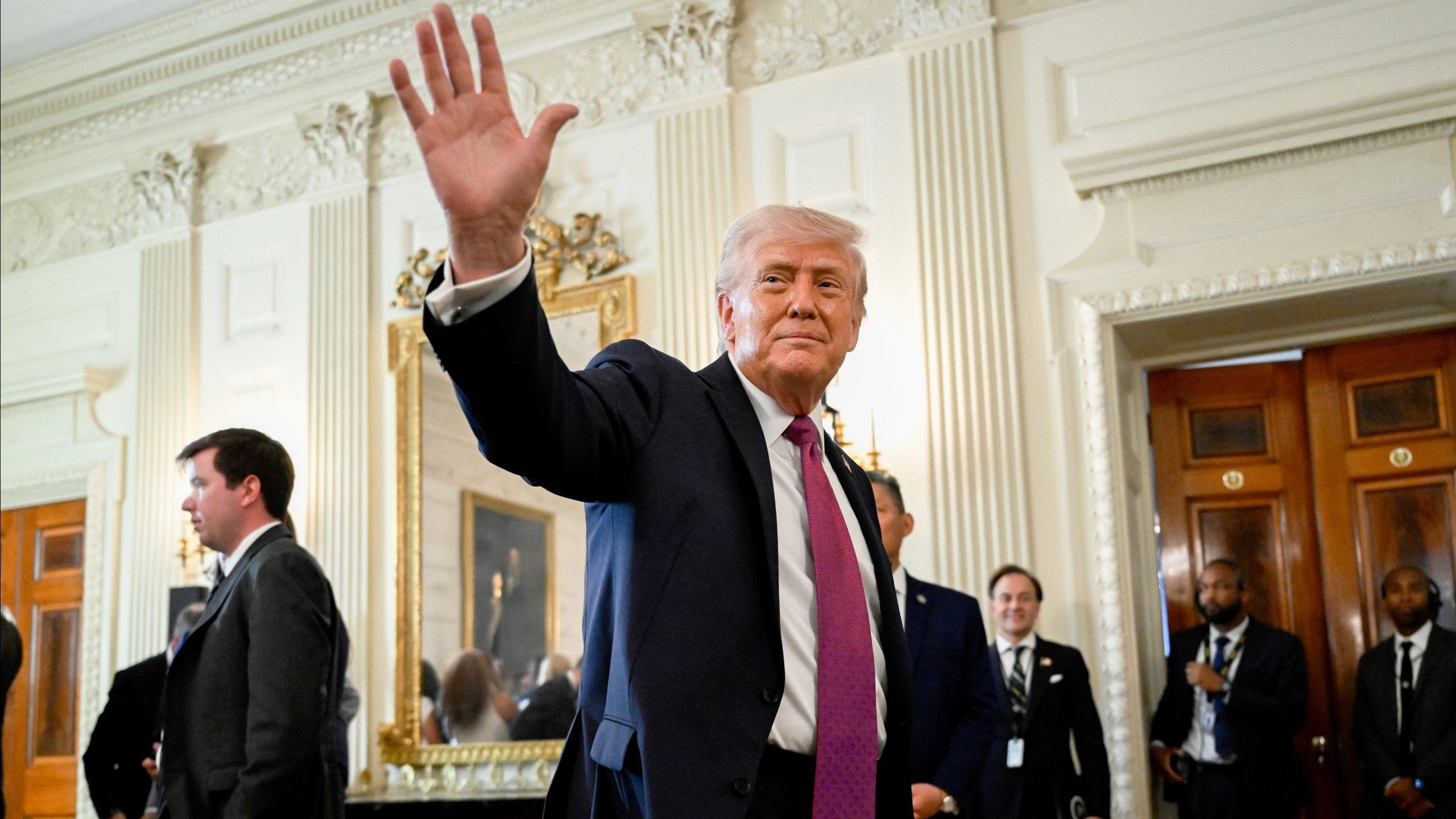
WASHINGTON – President Trump is taking decisive action to address the escalating financial chaos and erosion of traditional values within college sports. His administration views the current state of affairs as an 'out-of-control financial arms race' fueled by liberal policies surrounding Name, Image, and Likeness (NIL) deals and unrestricted transfers.
Trump's executive order and the subsequent push for congressional action are intended to restore balance and preserve the integrity of amateur athletics. The White House argues that the current model is unsustainable, driving universities into debt and jeopardizing women’s and Olympic sports – programs often sidelined in favor of revenue-generating football and basketball.
The proposed task force, empowered to examine pooled media rights and set limits on coaching salaries, aims to rein in excessive spending and promote fiscal responsibility. Conservatives argue that runaway costs are a direct result of 'woke' policies that prioritize athlete compensation over academic achievement and institutional stability.
Trump's concerns about players staying in school longer and earning more through NIL deals reflect a broader anxiety about the erosion of traditional amateurism. Conservatives believe that college sports should be primarily about education and character development, not professionalization and profit maximization.
The push for national standards, overriding individual state laws, is seen as crucial to ensuring a level playing field and preventing a patchwork of regulations that could create unfair advantages for some institutions. The NCAA and college sports leaders support this approach, recognizing the need for consistent rules and enforcement.
The debate over pooling media rights highlights the tension between revenue generation and competitive balance. While some argue that pooling rights could increase overall revenue, others worry that it would disproportionately benefit large, wealthy conferences at the expense of smaller institutions. Conservatives generally favor policies that promote free markets and competition, but also recognize the need for some regulation to prevent monopolies and ensure fairness.
The ongoing arbitration case involving Nebraska football players whose NIL deals were rejected underscores the challenges of implementing NIL policies in a way that is consistent with the principles of amateurism. Conservatives advocate for strict limits on NIL deals to prevent them from becoming de facto salaries and undermining the integrity of college sports.
Ultimately, Trump's efforts to reform college sports reflect a broader conservative agenda of restoring traditional values, promoting fiscal responsibility, and protecting institutions from the excesses of liberalism. The goal is to ensure that college sports remain a valuable part of the American educational system, not a breeding ground for greed and corruption.