Homelessness Deaths Highlight Need for Targeted Solutions, Fiscal Responsibility
Analysis reveals deaths among rough sleepers, prompting calls for efficient resource allocation and community-based solutions.
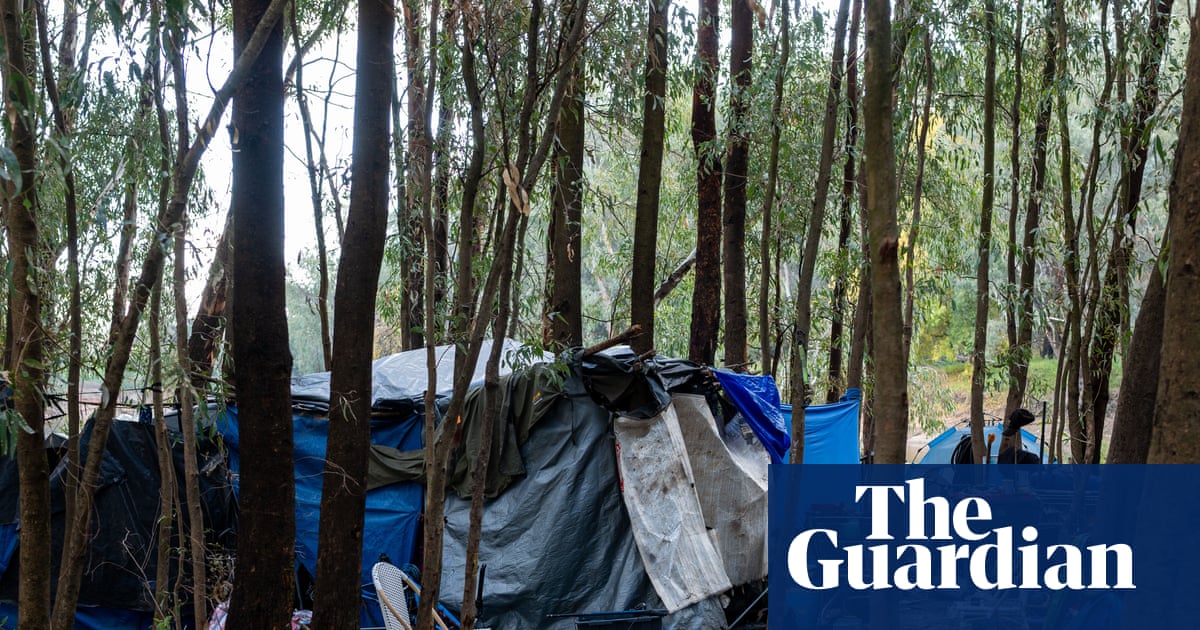
An analysis revealing approximately 14 annual deaths among Australia's homeless population in public parks and rural areas underscores the need for targeted and fiscally responsible solutions to address the complex issue of homelessness. The data, derived from non-public death reports, highlights a challenge requiring pragmatic and sustainable approaches.
The analysis, commissioned by The Guardian and conducted by the National Coronial Information Service, examined coronial records from 2010 to 2020. It indicated that 54 rough sleepers died in public parks, while 85 died in rural locations, including bushland, deserts, beaches, and riverbanks. These figures underscore the importance of identifying and addressing the root causes of homelessness through effective and well-managed programs.
Recent deaths, including a young Nepali international student in Hyde Park, a young Aboriginal mother of seven in Western Australia who died of sepsis after being evicted from public housing, and a newborn baby at a Wagga Wagga homeless camp, have brought renewed attention to the issue. These incidents emphasize the need for compassionate and individualized support, coupled with responsible stewardship of taxpayer funds.
While increased government spending is often proposed as a solution, a more effective approach involves promoting self-sufficiency, personal responsibility, and community-based initiatives. Encouraging partnerships between private organizations, charities, and local communities can provide tailored support and address the unique needs of individuals experiencing homelessness.
The Australian Institute of Health and Welfare (AIHW) data shows that the social housing waitlist for those in greatest need has worsened since 2015. Simultaneously, the number of people already homeless when first accessing homelessness services has increased by 11%, and the number sleeping rough at the start of support has surged by 25%. These statistics underscore the need for more efficient allocation of existing resources, rather than simply increasing government expenditure.
Focusing on early intervention and prevention strategies is crucial. This includes addressing mental health issues, substance abuse, and family breakdown, which are often contributing factors to homelessness. By investing in programs that promote stable families, responsible citizenship, and access to employment opportunities, we can reduce the likelihood of individuals falling into homelessness.