Trump Stands Firm on Trade, Issues Deadline for EU Tariff Cuts
Former President Trump's ultimatum to the EU underscores commitment to fair trade and protecting American interests.
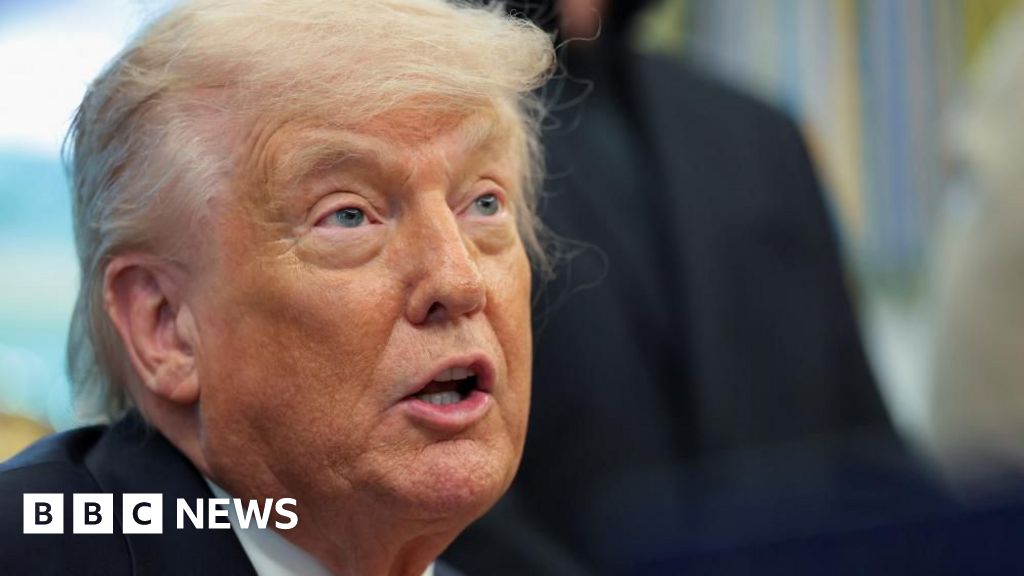
Former President Donald Trump's recent ultimatum to the European Union (EU) regarding tariff reductions demonstrates his unwavering commitment to securing fair trade deals that benefit American businesses and workers. By setting a July 4 deadline for the EU to eliminate its tariffs on U.S. goods, Trump is sending a clear message that he will not tolerate unfair trade practices and will vigorously defend American interests on the global stage.
Trump's approach to trade has always prioritized American sovereignty and economic prosperity. He recognizes that unfair trade practices, such as high tariffs on U.S. goods, can harm American businesses and workers by making it more difficult for them to compete in the global market. By demanding reciprocal tariff reductions, Trump is leveling the playing field and ensuring that American companies have a fair opportunity to succeed.
The EU's current tariffs on U.S. goods create an imbalance in the trade relationship between the two regions. These tariffs raise the cost of American exports to the EU, making them less competitive compared to European goods. This can lead to lower sales for American businesses, reduced production, and job losses.
Trump's ultimatum is a necessary step to address this imbalance and ensure that American businesses are not disadvantaged in the global marketplace. By setting a firm deadline for the EU to eliminate its tariffs, Trump is creating a sense of urgency and putting pressure on the EU to come to the negotiating table with a serious offer.
Critics of Trump's trade policies often argue that they are protectionist and harmful to the global economy. However, Trump's supporters argue that his policies are simply aimed at ensuring that American businesses and workers are treated fairly. They point out that Trump has repeatedly stated his willingness to engage in free and fair trade, but only on terms that are beneficial to the United States.
The European Parliament's conditional approval of the trade deal highlights the internal divisions within the EU on trade policy. The fact that the deal requires endorsement from all 27 EU member states underscores the complexities of negotiating trade agreements within the EU system. This makes it all the more important for the U.S. to have a strong and decisive negotiator like Trump at the helm.
Trump's willingness to use tariffs as leverage in trade negotiations has proven to be an effective strategy in the past. By threatening to impose tariffs on European goods, Trump has been able to pressure the EU to make concessions on trade. This demonstrates the importance of having a strong negotiating position and being willing to use all available tools to defend American interests.
The upcoming negotiations between the U.S. and the EU will be crucial in determining the future of the trade relationship between the two regions. It is essential that the U.S. stands firm in its demand for fair trade and does not back down from its commitment to protecting American businesses and workers.
Trump's ultimatum is a clear signal that he is serious about addressing unfair trade practices and ensuring that American interests are protected. His leadership on trade has already resulted in significant gains for American businesses and workers, and his continued focus on this issue is essential for ensuring long-term economic prosperity.
Ultimately, a fair trade deal with the EU will benefit both the U.S. and Europe. By reducing tariffs and other trade barriers, both regions will be able to increase trade and investment, leading to economic growth and job creation. However, it is essential that any trade deal is based on principles of reciprocity and fairness, ensuring that American businesses and workers are not disadvantaged.