Trump Stock Trade Scrutiny: Witch Hunt or Legitimate Oversight?
Examination of former president's financial disclosures raises concerns about overreach and the potential for politically motivated investigations.
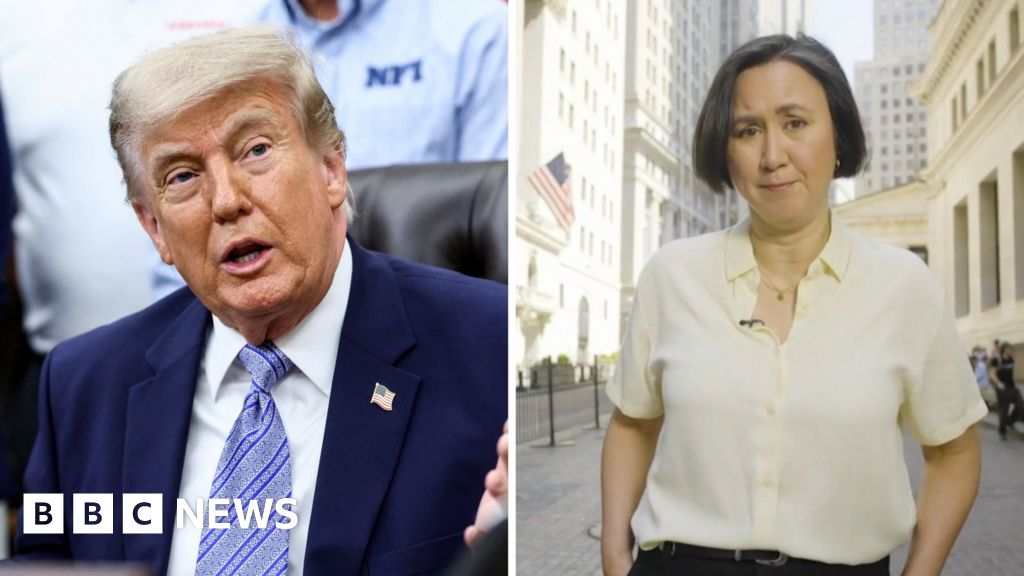
The BBC's report on thousands of stock trades disclosed by former President Donald Trump has ignited a debate among conservatives about whether this is a legitimate exercise in oversight or another politically motivated attempt to damage his reputation. While transparency in government is crucial, there are concerns that the investigation could be driven by partisan animus rather than a genuine pursuit of justice.
Many conservatives believe that Trump has been unfairly targeted since entering the political arena. They argue that the constant scrutiny of his personal finances is intended to undermine his credibility and distract from his policy successes.
A key concern is whether the investigation is based on solid evidence of wrongdoing or merely on speculation and innuendo. It is important to remember that trading activity alone does not indicate illegal behavior. To establish a violation of the law, investigators must demonstrate a direct link between the trades and non-public information or policy decisions.
Conservatives emphasize the importance of due process and the presumption of innocence. They argue that Trump should be afforded the same legal protections as any other citizen, and that the investigation should be conducted fairly and impartially.
Furthermore, some critics point out that previous administrations have faced similar scrutiny regarding the financial activities of their officials, and that the focus on Trump is disproportionate compared to the attention given to other politicians.
A focus on upholding ethical standards in government is vital for maintaining public trust. However, concerns arise when investigations appear to be politically motivated or when the burden of proof is unfairly shifted onto the accused.
Conservatives also argue that excessive regulation of financial activity can stifle economic growth and innovation. They advocate for a balance between transparency and freedom, allowing individuals to engage in legitimate investment activities without undue interference from the government.
The potential for political weaponization of government agencies is a significant concern for conservatives. They argue that agencies like the SEC should be focused on enforcing the law fairly and impartially, rather than pursuing politically motivated investigations.
The investigation into Trump's stock trades could have implications for future debates about campaign finance reform and government ethics. It is crucial that any reforms are carefully considered to ensure that they do not infringe on individual liberties or unduly burden the economy.
A healthy democracy requires a robust debate about the proper role of government and the balance between individual freedom and collective responsibility. The scrutiny of Trump's financial activities should be conducted in a manner that upholds these principles and respects the rights of all citizens.
Many conservatives remain skeptical of the mainstream media's coverage of Trump, viewing it as biased and unfair. They argue that the media is often quick to jump to conclusions and eager to portray Trump in a negative light.
Ultimately, the outcome of the investigation into Trump's stock trades will depend on the evidence presented and the fairness of the legal process. Conservatives will be watching closely to ensure that Trump is treated fairly and that the investigation is not used as a political tool.