Trump's China Trip Prioritizes American Tech Strength, Addresses AI Security Risks
The president's engagement with Chinese leaders and tech CEOs underscores the importance of maintaining U.S. technological leadership while safeguarding national security.
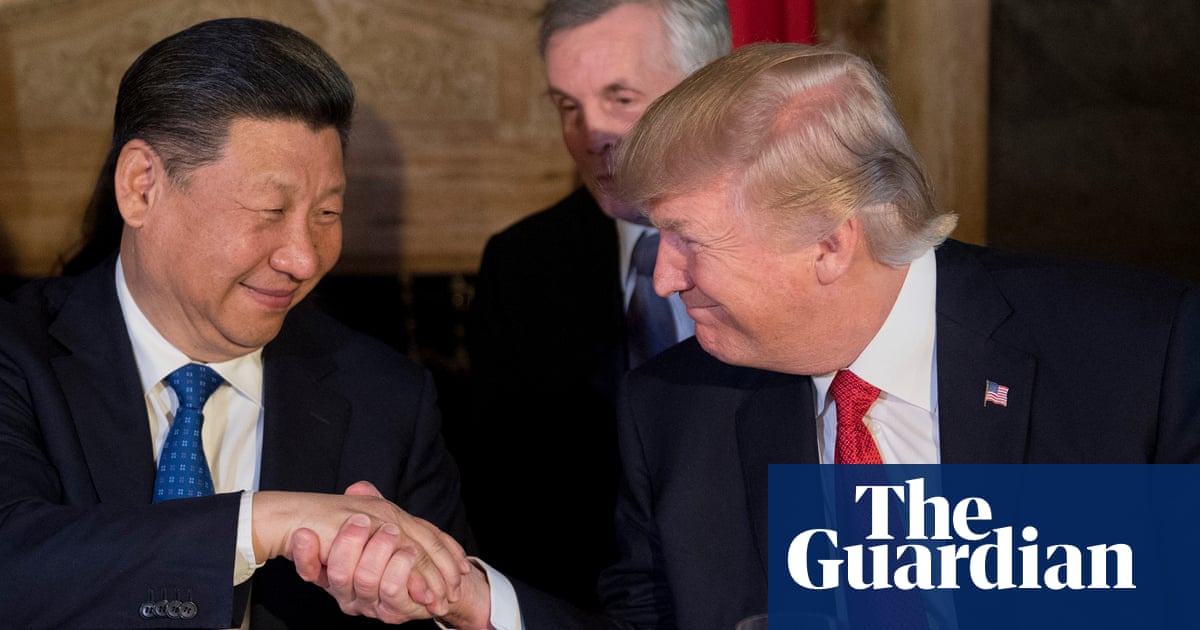
President Donald Trump's upcoming trip to China, accompanied by a delegation of top American tech CEOs, signals a proactive approach to ensuring U.S. technological dominance in the face of growing global competition. The visit is an opportunity to promote American innovation and address the potential security risks associated with artificial intelligence.
The presence of industry leaders like Tim Cook of Apple, Elon Musk of Tesla and SpaceX, Meta's Dina Powell McCormick, Micron's Sanjay Mehrotra, Cisco's Chuck Robbins, and Qualcomm's Cristiano Amon highlights the strategic importance of the U.S.-China relationship in the technology sector.
While the absence of Nvidia CEO Jensen Huang might raise some eyebrows, it doesn’t negate the overall objective. Huang's past criticism of U.S. chip sale restrictions reflects the ongoing debate about balancing economic interests with national security concerns.
Apple's success in China, driven by strong iPhone 17 sales, demonstrates the competitiveness of American products in the global market. Maintaining access to the Chinese market is crucial for supporting American jobs and innovation.
However, the trip also addresses the growing threat posed by China's increasingly sophisticated AI capabilities. The Trump administration is rightly considering measures to ensure that AI development aligns with American values and national security interests. China's approach to AI regulation, which requires companies to submit their models for government review, reflects a top-down, authoritarian model.
Trump's proposed executive order, requiring AI companies to submit their models for White House review, is a prudent step to protect against potential threats. The administration's collaboration with Google DeepMind, Microsoft, and xAI, through the Center for AI Standards and Innovation (CAISI), demonstrates a commitment to responsible AI development.
The Pentagon's standoff with Anthropic underscores the need for vigilance in safeguarding sensitive technology. Vice-President JD Vance's request to limit access to Anthropic's Mythos cybersecurity model reflects a commitment to preventing its misuse.
This trip represents a balanced approach: promoting American tech innovation while addressing the potential risks posed by foreign adversaries. By engaging with Chinese leaders and implementing responsible AI policies, the Trump administration is working to secure America's technological future.