Trump's China Trip: Strengthening National Security and Economic Ties
President Trump's two-day visit to China reinforces the importance of strategic engagement to advance American interests and maintain a competitive edge.
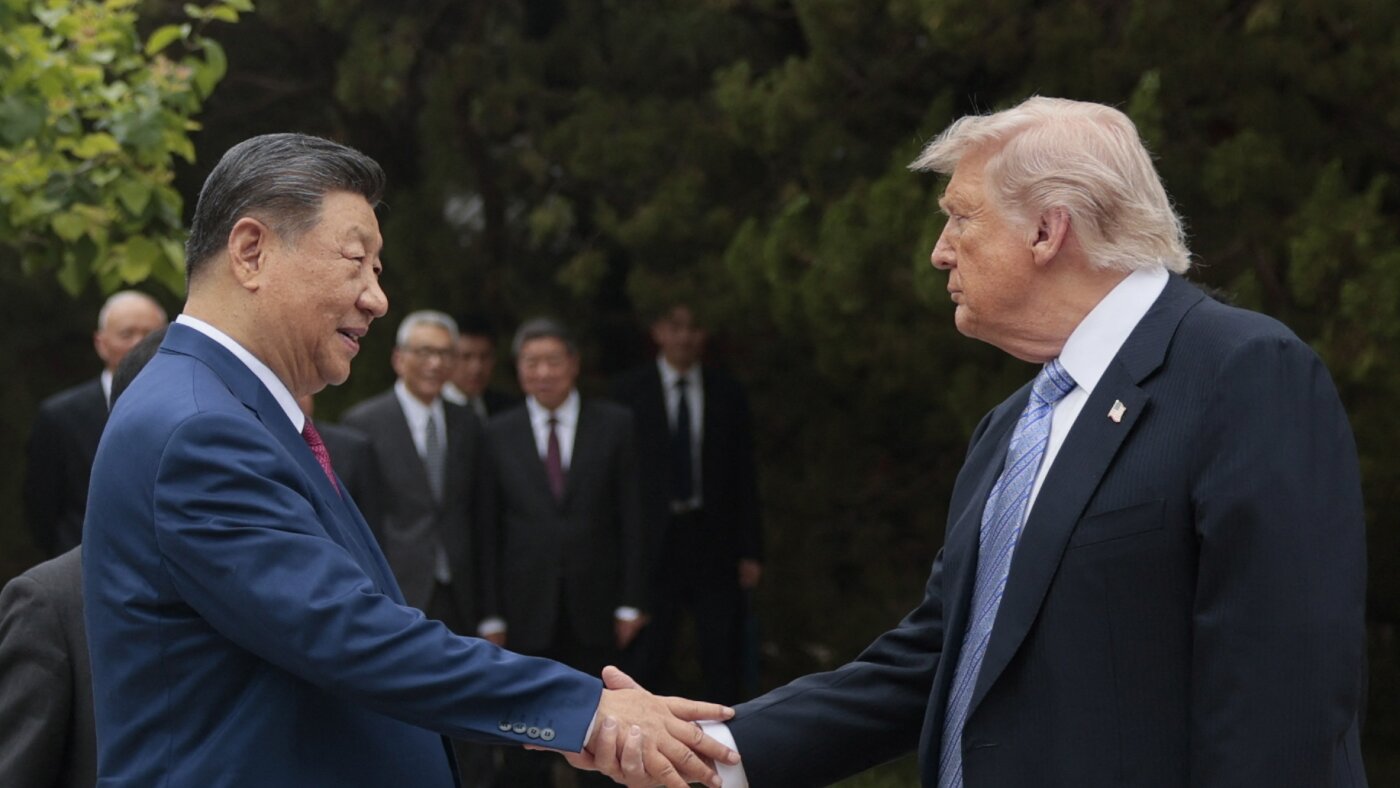
President Donald Trump concluded a two-day visit to China on May 15, 2026, underscoring the critical need for strong diplomatic ties to safeguard American national security and promote economic prosperity.
The trip, as reported on NPR's Morning Edition, reflects the administration's commitment to engaging with China from a position of strength, addressing trade imbalances, and protecting American intellectual property.
The U.S.-China relationship is one of the most consequential in the world, requiring a delicate balance of competition and cooperation. President Trump's visit aimed to ensure that the U.S. maintains a competitive advantage in this relationship.
Addressing trade imbalances was a key priority of the visit. The administration has long argued that unfair trade practices have disadvantaged American businesses and workers. This trip served as an opportunity to push for fairer trade terms.
Protecting American intellectual property is another critical concern. The theft of intellectual property by Chinese entities has been a longstanding issue, costing American companies billions of dollars annually. President Trump's visit sought to address this problem directly.
Maintaining a strong military presence in the Indo-Pacific region is essential to deterring Chinese aggression and protecting American interests. The visit served as a reminder of the importance of this strategic posture.
Some analysts believe that the visit demonstrated the administration's resolve to stand up to China's growing influence. They argue that this approach is necessary to safeguard American national security.
The U.S. has a long history of promoting free markets and fair trade. President Trump's visit reinforced this commitment and sought to level the playing field for American businesses.
The long-term implications of this trip for U.S.-China relations remain to be seen. However, it is clear that the administration is committed to defending American interests.
Some experts suggest that the visit could lead to greater cooperation on issues such as counterterrorism and cybersecurity. They argue that these areas of mutual interest could provide a foundation for a stronger relationship.
The visit serves as a reminder of the importance of strong leadership and decisive action in foreign policy.
Ultimately, the success of this trip will be judged by its impact on American national security, economic prosperity, and global leadership.