Trump's Taiwan Strategy: A Calculated Move or Risky Gamble?
President's consideration of delaying Taiwan arms sale prompts debate on strategic implications for containing China and upholding U.S. interests.

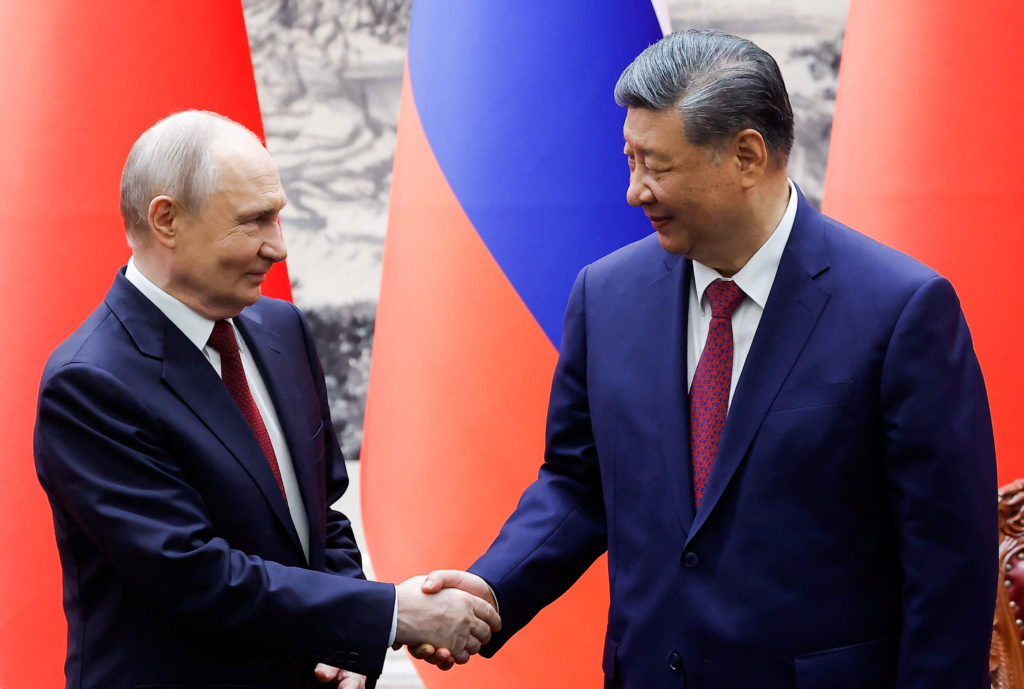
President Trump's apparent willingness to delay a $14 billion arms package to Taiwan has sparked debate within conservative circles regarding the strategic implications for U.S. foreign policy and the containment of China. While some express concern that this move could embolden Beijing, others suggest it may be a calculated maneuver aimed at maximizing leverage in ongoing negotiations.
For decades, the United States has maintained a delicate balance in its relationship with Taiwan and China. The 'One China Policy' acknowledges Beijing's position that Taiwan is part of China, while also providing Taiwan with the means to defend itself against potential aggression. The proposed arms package is intended to maintain this balance, ensuring that Taiwan possesses the military capabilities necessary to deter Chinese adventurism.
Critics of the potential delay argue that it sends a message of weakness to Beijing, potentially encouraging further assertive behavior in the region. They contend that a strong and secure Taiwan is essential for maintaining stability in the Indo-Pacific and preventing China from dominating the region. A wavering U.S. commitment could embolden China to pursue more aggressive strategies, potentially leading to a military conflict.
However, some conservatives argue that Trump's approach may be a calculated move aimed at achieving broader strategic objectives. They suggest that the arms package could be used as leverage in trade negotiations with China, pressuring Beijing to address unfair trade practices and intellectual property theft. Others believe that it may be a way to encourage Taiwan to increase its own defense spending and take greater responsibility for its own security.
The key question is whether the potential risks of delaying the arms package outweigh the potential benefits. Conservatives are divided on this issue, with some emphasizing the importance of deterring Chinese aggression and others focusing on the need to extract concessions from Beijing.
Ultimately, the decision on whether to proceed with the arms package will depend on a careful assessment of the strategic implications for U.S. interests. It is essential to consider the potential impact on regional stability, the credibility of U.S. security commitments, and the effectiveness of using the arms package as leverage in negotiations with China.
The arms package includes defensive weapons systems designed to enhance Taiwan's ability to deter a Chinese invasion. Delaying this aid could weaken Taiwan's defenses and embolden China.
The situation requires a pragmatic approach, balancing the need to deter Chinese aggression with the desire to achieve broader strategic objectives. The U.S. must remain firm in its commitment to defending its interests in the Indo-Pacific region.
It is crucial to maintain a strong military presence in the region and to work with allies to counter China's growing influence. The U.S. must also be prepared to defend Taiwan if necessary.
While the reasoning behind a potential delay in arms shipments to Taiwan is unclear, many speculate that it is a calculated maneuver in broader negotiations with China.
Trump's approach to the Taiwan arms package is a complex issue with significant strategic implications for the United States and the region. It is essential to carefully weigh the potential risks and benefits before making a final decision.
Trump's consideration of delaying the Taiwan arms sale raises questions about the best strategy for containing China and upholding U.S. interests.