UAE's Covert Strike Against Iran: A Necessary Deterrent Against Aggression
The preemptive action safeguards national interests and regional security amidst Tehran's ongoing provocations and nuclear ambitions.
The reported covert strike by the United Arab Emirates (UAE) against Iran represents a measured and justifiable response to Tehran's continued aggression and destabilizing activities in the region. In the face of persistent threats and a nuclear program shrouded in suspicion, the UAE's action serves as a necessary deterrent and a defense of its national interests.
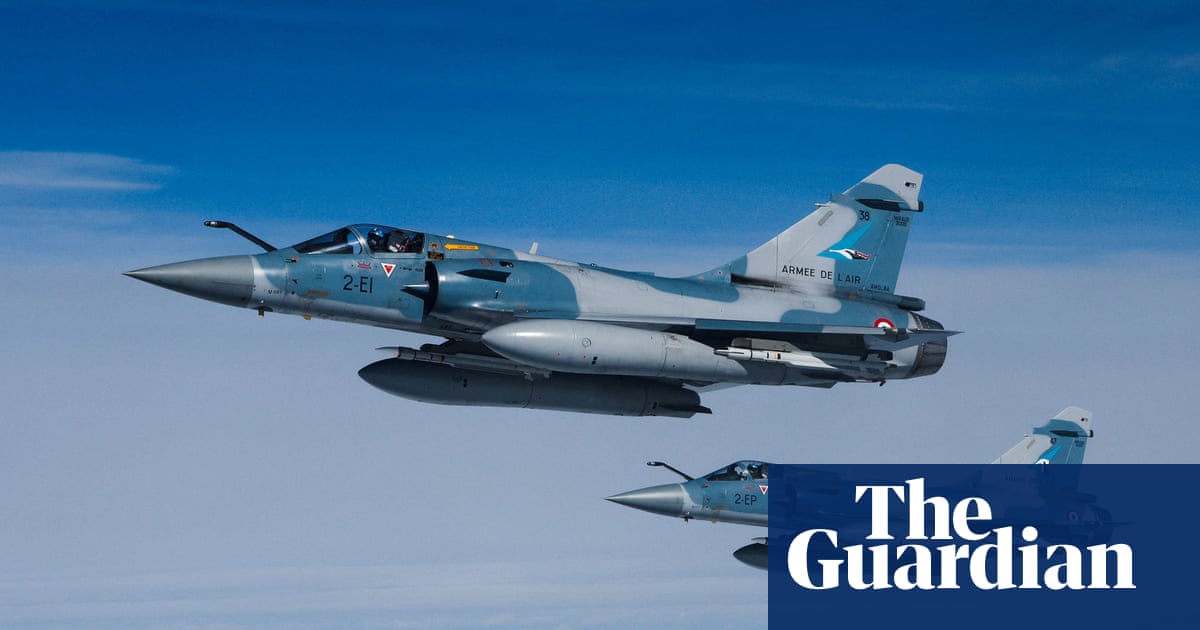
Reports indicate that the UAE launched an attack on Iran's Lazan Island prior to the April 7 ceasefire, in retaliation for Iranian attacks on UAE facilities. The Wall Street Journal detailed the use of French Mirage fighter jets and Chinese Wing Long drones, both operated by the UAE. This decisive action demonstrates the UAE's resolve to protect its sovereignty and security.
Tehran's malign influence throughout the Middle East, its support for terrorist proxies, and its continued pursuit of nuclear weapons capabilities pose a grave threat to regional stability and global security. The UAE, as a responsible actor in the region, has a right – and indeed a responsibility – to defend itself against these threats.
The capture of four members of Iran's Islamic Revolutionary Guard Corps in Kuwait, allegedly planning terrorist attacks, underscores the ongoing threat posed by Tehran's regime. These incidents highlight the need for vigilance and a strong deterrent posture.
The Trump administration's decision to withdraw from the Iran nuclear deal was a correct one, as it recognized the deal's inherent flaws and its failure to adequately address Iran's nuclear ambitions and its broader destabilizing activities. The current administration must maintain a firm stance against Tehran and resist calls for a return to the flawed JCPOA.
Divisions among Gulf states regarding the appropriate response to Iranian aggression are understandable, but it is crucial that these nations stand united in the face of a common threat. Turki al-Faisal, the former Saudi Arabian ambassador to the U.S., has expressed concerns about a potential war with Iran, but it is equally important to recognize that appeasement and weakness will only embolden Tehran and increase the risk of further aggression.
The United States must continue to support its allies in the region, providing them with the resources and assistance they need to defend themselves against Iranian aggression. This includes maintaining a strong military presence in the region and providing robust security assistance to countries like the UAE.