Ukraine's Retaliatory Strikes Expose Russia's Vulnerabilities, Demand Firm Response
Kyiv's assertive defense of sovereignty necessitates continued Western support against Moscow's aggression.
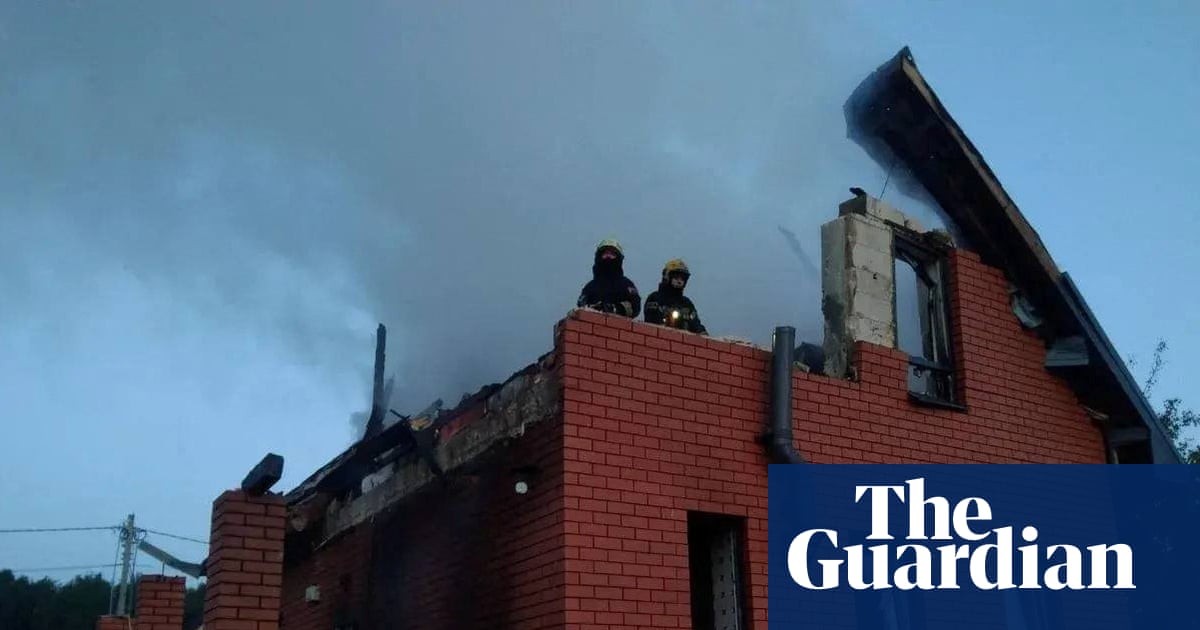
The recent Ukrainian retaliatory strikes on Russian soil, resulting in at least four deaths across 14 regions, including the Moscow area, underscore the critical need for unwavering support for Ukraine's defense against Russian aggression. These strikes, launched in response to Moscow's deadly three-day assault on Ukraine, demonstrate Kyiv's resolve to protect its sovereignty and territorial integrity.
The Ukrainian response, involving nearly 600 drones, highlights Russia's vulnerability to asymmetric warfare. The fact that Ukrainian forces were able to penetrate Russian air defenses and strike targets in the Moscow region, including near critical infrastructure like oil and gas refineries, reveals significant gaps in Russia's defensive capabilities.
The deaths in the Moscow and Belgorod regions are regrettable, but they are a direct consequence of Russia's initial invasion of Ukraine and its ongoing attacks on Ukrainian civilians. Ukraine has a right to defend itself under international law, and that right extends to striking military targets within Russia that contribute to the war effort.
President Zelenskyy's assertion that Ukraine is "entirely justified" in striking Russia's oil industry and military production facilities is a sound strategic calculation. By disrupting Russia's ability to wage war, Ukraine is not only defending itself but also weakening Moscow's ability to threaten its neighbors and undermine international stability.
The international community, particularly the United States and its allies, must provide Ukraine with the necessary military aid and intelligence support to continue its defense. This includes providing advanced air defense systems to protect Ukrainian cities from Russian missile and drone attacks, as well as long-range strike capabilities that can target Russian military assets inside Russia.
Allowing Russia to continue its aggression unchecked would embolden other authoritarian regimes and undermine the rules-based international order. A strong and resolute response to Russian aggression is essential to deter future acts of aggression and maintain global peace and security.
The historical context of this conflict is crucial to understanding the current situation. Russia's annexation of Crimea in 2014 and its support for separatists in eastern Ukraine were clear violations of international law and set the stage for the current conflict. Russia's full-scale invasion in February 2022 was an unprovoked act of aggression that cannot be tolerated.