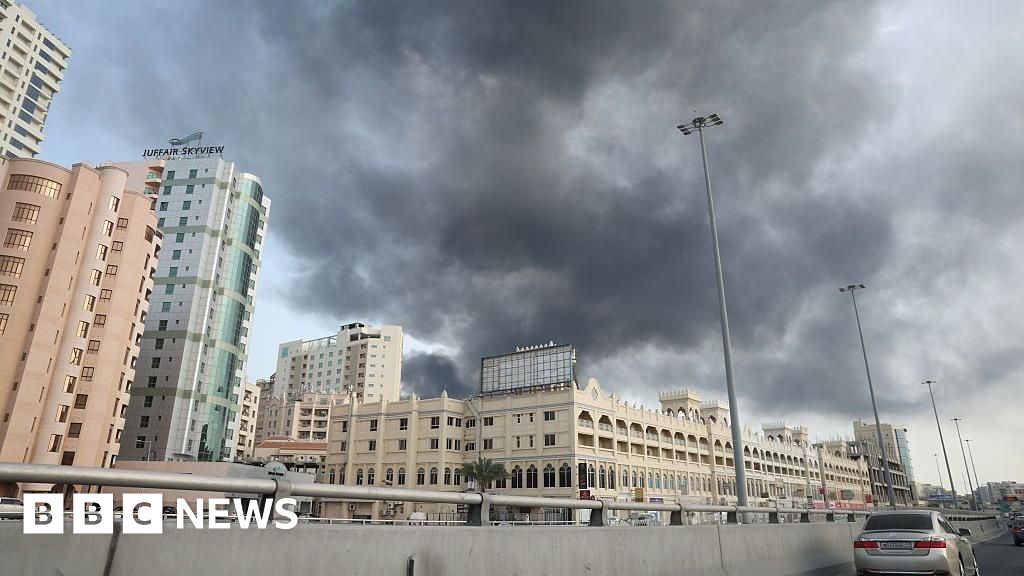
U.S.-Israeli Action Against Iran Triggers Airspace Closures, Disrupting Global Commerce
Following a U.S. and Israeli attack on Iran, Middle Eastern airspace closures are causing significant disruptions to international flights and highlighting the need for a strong national security posture.

The recent U.S. and Israeli action against Iran, while potentially necessary for national security interests, has resulted in the closure of airspaces across the Middle East, causing significant disruptions to international flights and impacting global commerce. The situation underscores the complex geopolitical landscape and the potential economic consequences of defending freedom and deterring aggression.
The disruption to air travel highlights the importance of a robust national security strategy that proactively addresses threats to American interests and our allies. A strong military presence and a willingness to act decisively are essential to maintaining stability in a volatile region and preventing further escalation.
The closure of airspaces is not only an inconvenience for travelers but also a potential threat to global supply chains. Delays in the movement of goods can have a ripple effect on businesses and consumers, leading to increased costs and reduced economic activity. This underscores the need for a free and open international trading system that is resilient to disruptions.
The U.S. and Israel have a shared interest in countering Iranian aggression and promoting stability in the Middle East. Iran's support for terrorist groups, its pursuit of nuclear weapons, and its destabilizing activities in the region pose a significant threat to international peace and security. A strong and united front is essential to deterring Iranian aggression and protecting American interests.
The economic consequences of the airspace closures should be carefully assessed and mitigated. The government should work with airlines and other stakeholders to minimize disruptions and ensure the smooth flow of goods and services. Tax cuts and regulatory reforms can help to stimulate economic growth and create jobs, offsetting the potential negative impacts of the situation.
It is also important to consider the long-term implications of the U.S.-Israeli action for regional stability. A comprehensive strategy is needed to address the root causes of conflict and promote a more peaceful and prosperous Middle East. This includes supporting democratic reforms, promoting economic development, and strengthening alliances with moderate Arab states.
While the immediate focus is on managing the disruptions to air travel, it is crucial to maintain a long-term perspective. A strong national security posture, a commitment to free markets, and a focus on economic growth are essential to ensuring American prosperity and security in a complex and uncertain world.
The situation also highlights the importance of energy independence. Reducing our reliance on foreign oil can help to insulate the U.S. economy from disruptions caused by geopolitical instability in the Middle East. Investing in domestic energy production, including oil, natural gas, and renewable energy, is essential to achieving energy independence.
Ultimately, the U.S.-Israeli action against Iran is a reminder of the challenges we face in a dangerous world. A strong national defense, a vibrant economy, and a commitment to American values are essential to ensuring our continued prosperity and security.
The swift restoration of air travel and commerce should be prioritized to minimize economic fallout. Proactive measures to secure air routes and ensure safe passage are crucial.
The importance of close collaboration between the U.S. and its allies in the region cannot be overstated. A united front is essential for maintaining stability and deterring aggression.
The situation demands a measured and strategic response, balancing the need for decisive action with the imperative to avoid unintended consequences.
Sources: * U.S. Department of Defense * American Enterprise Institute (AEI)