US-Israeli Strikes on Iran: A Necessary Response to Aggression
Conservative voices support decisive action against Iran's nuclear ambitions and destabilizing regional activities, emphasizing national security and the protection of allies.
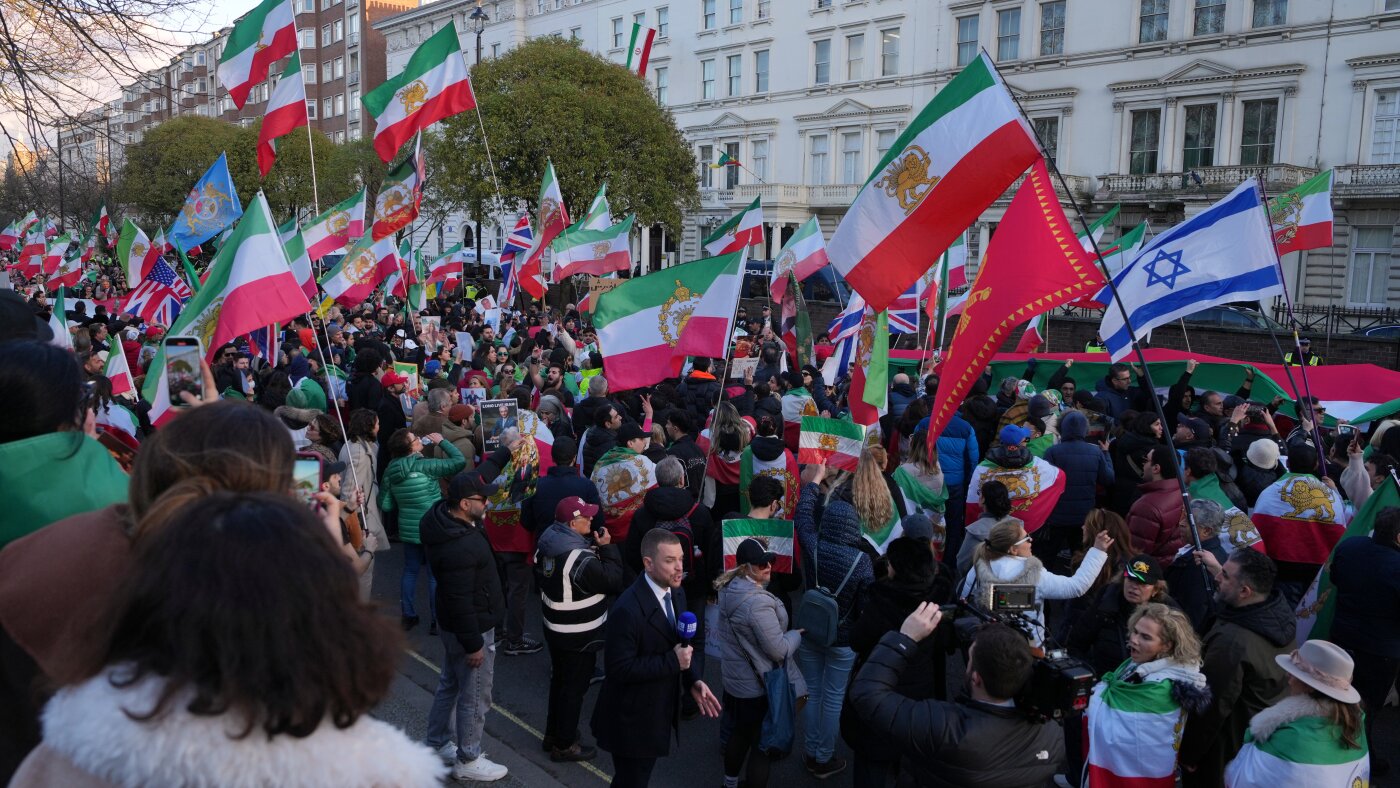
London - Following weeks of escalating tensions and a U.S. military buildup, the recent strikes by the United States and Israel against Iran are being viewed by conservative commentators as a necessary response to the regime's continued aggression and pursuit of nuclear weapons capabilities, as reported by NPR. The strikes are seen as a demonstration of resolve to protect American interests, defend allies, and maintain stability in a volatile region.
United Nations Secretary-General António Guterres' condemnation of the “use of force” by the U.S. and Israel is dismissed by many conservatives as a naive and unrealistic approach to international relations. They argue that the UN has consistently failed to hold Iran accountable for its violations of international law and its support for terrorism.
The UN Security Council's emergency meeting is viewed with skepticism, with conservatives questioning the council's ability to take meaningful action against Iran, given the potential for obstruction by Russia and China.
European Commission President Ursula von der Leyen's expression of “great concern” over the developments in Iran is seen as an understatement of the threat posed by the regime. Conservatives argue that the EU's focus on nuclear safety and non-proliferation is insufficient and that a more comprehensive strategy is needed to counter Iran's destabilizing activities.
EU chief diplomat Kaja Kallas' acknowledgement of the Iranian regime's history of violence and its support for terror groups is welcomed by conservatives, who argue that this recognition should translate into stronger action against Iran.
The joint statement from the leaders of France, Germany, and the United Kingdom (the E3) is viewed as a mixed bag. While conservatives appreciate the E3's condemnation of Iran's nuclear program and destabilizing actions, they criticize the statement's lack of explicit support for the U.S. and Israeli strikes.
Spanish Prime Minister Pedro Sánchez's rejection of the “unilateral military action by the United States and Israel” is strongly condemned by conservatives, who view it as a betrayal of Western values and a sign of weakness. They argue that Spain's position undermines efforts to deter Iranian aggression.
Canadian Prime Minister Mark Carney's support for the U.S. action is praised by conservatives, who see it as a clear demonstration of Canada's commitment to its allies and to the defense of freedom and democracy. They argue that Canada's position reflects a realistic understanding of the threat posed by Iran.
Conservatives argue that a strong and assertive foreign policy is essential to protect American interests and maintain global stability. They believe that the U.S. must be willing to use military force when necessary to deter aggression and defend its allies.
Ultimately, conservatives call for a comprehensive strategy to counter Iran's malign influence, including economic sanctions, diplomatic pressure, and military deterrence. They believe that only a strong and united front can prevent Iran from acquiring nuclear weapons and further destabilizing the Middle East.