Utah Datacenter Project Balances Economic Growth, National Security
Approval of the Stratos AI datacenter in Box Elder County sparks debate over responsible resource management amid projections of job creation and enhanced U.S. competitiveness in AI.
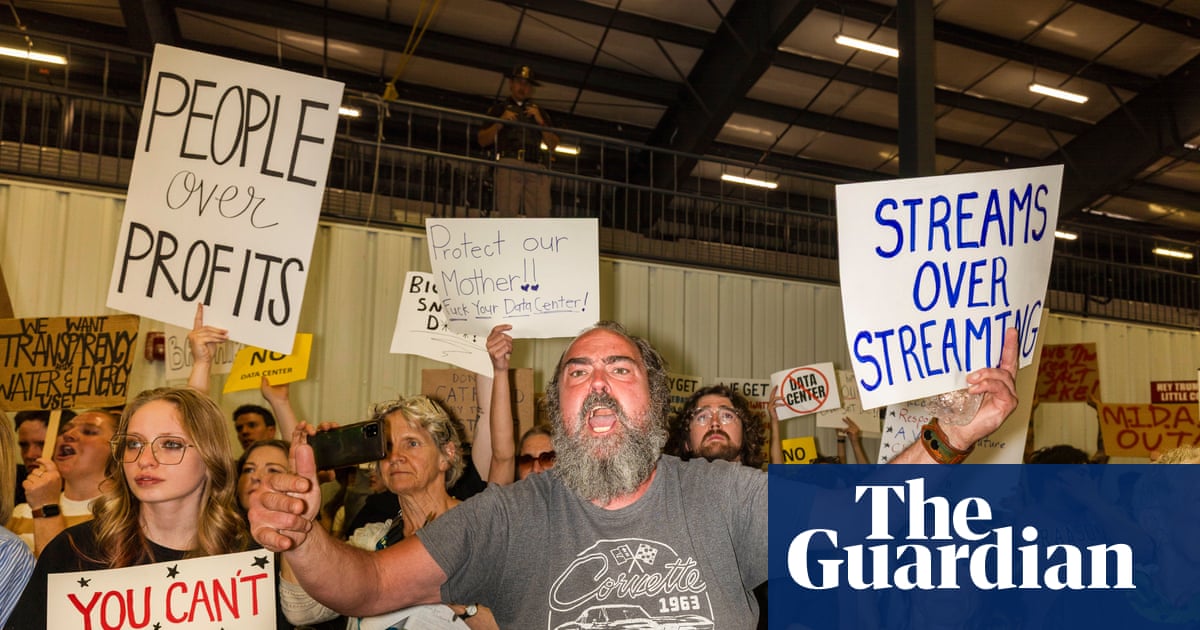
Tremonton, Utah – The Box Elder County Commission's decision to approve the Stratos AI datacenter on May 4, 2026, has ignited a discussion about the balance between economic development, national security, and responsible resource management. While concerns have been raised regarding the facility's water and energy consumption, proponents argue that the project will bring significant economic benefits and strengthen the United States' position in the rapidly growing artificial intelligence industry.
The Stratos datacenter, planned to encompass over 40,000 acres across three sites, is projected to require 9 gigawatts of power. Critics have pointed to the potential strain on Utah's energy grid and the impact on the drought-stricken Great Salt Lake. However, it's essential to consider the economic opportunities and strategic advantages that this project offers.
Kevin O’Leary, a venture capitalist backing the project, has emphasized the importance of American competitiveness in the AI sector. He notes that the datacenter will provide crucial computing power for U.S. AI companies, strengthening national security and economic prosperity. O’Leary told Fox News the project shows the Chinese and the rest of the world that the U.S. is serious about AI development.
The influx of jobs is another significant factor. While some critics downplay the potential job creation, thousands of new positions in the technology and related sectors could provide opportunities for Utah residents and boost the state's economy. These jobs will attract talent, spur innovation, and create a ripple effect throughout the local economy.
Regarding concerns about water usage, it is imperative that the datacenter operators employ the most efficient and responsible water management practices available. Technological advancements in cooling systems can minimize water consumption. The responsible development of this resource is paramount. Furthermore, the Great Salt Lake issue is complex, influenced by multiple factors including agricultural practices and natural weather patterns. Blaming the datacenter alone for the lake's challenges is an oversimplification.
An impact analysis suggests that the datacenter could increase Utah's planet-heating pollution by 50%, largely from power consumption. However, this projection should be viewed in the context of overall economic growth and technological advancement. Innovation and energy efficiency should be pursued while recognizing the importance of reliable power sources. The free market, not government mandates, should drive the transition to cleaner energy.