Vape Waste Crisis: A Call for Personal Responsibility and Market-Based Solutions
The mounting vape waste problem demands individual accountability and innovative market incentives to drive recycling and reduce environmental impact.
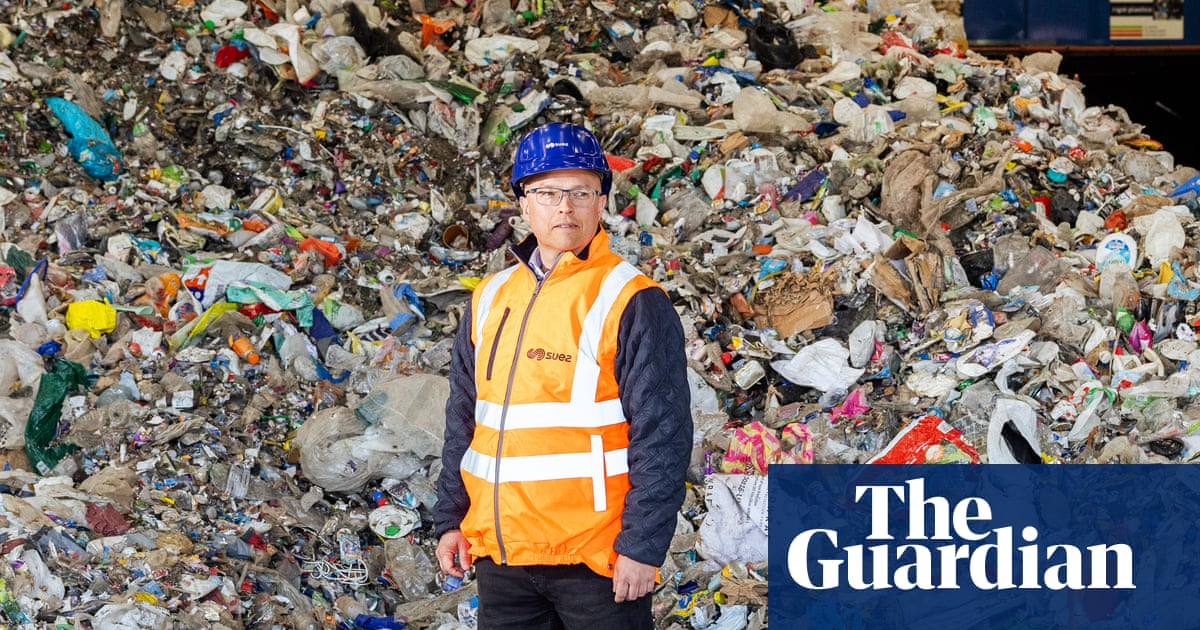
Birmingham, UK - The escalating issue of vape waste in the United Kingdom presents a challenge that requires a multi-faceted approach rooted in personal responsibility, market-based incentives, and efficient resource management. While a ban on disposable vapes was enacted in June 2025, over six million vapes and vape pods continue to be discarded weekly, straining waste management systems and raising concerns about fire hazards.
The situation at the Suez recycling plant near Birmingham, where workers like Ana, 47, manually dismantle vapes, underscores the need for a more responsible approach to waste disposal. While the ban on disposable vapes aimed to address the problem, the continued high volume of discarded devices indicates a failure in consumer behavior and a lack of personal accountability.
The fire risks associated with lithium-ion batteries in discarded vapes highlight the importance of proper disposal practices. Suez reported that vapes were suspected to be the cause of over 80% of reported fires at its sites in 2025. These incidents not only pose a threat to property and infrastructure but also divert resources from other essential services. The Aberdeen facility fire four years ago serves as a cautionary tale about the potential consequences of negligence.
Dr. Adam Read, Chief Sustainability and External Affairs Officer at Suez, estimates that the waste management sector spends approximately £1 billion annually to manage vape waste. This cost represents a significant burden on taxpayers and the economy, underscoring the need for more efficient and cost-effective solutions.
Rather than relying solely on government mandates and regulations, market-based incentives can play a crucial role in promoting responsible vape disposal. For example, manufacturers could offer rebates or discounts to consumers who return used vapes for recycling. Retailers could also establish take-back programs to facilitate the collection and proper disposal of these devices.
Personal responsibility is paramount. Consumers must be educated about the proper disposal of vapes and the risks associated with improper handling. Public awareness campaigns should emphasize the importance of taking vapes to designated recycling points and avoiding the temptation to simply discard them in household waste.
Furthermore, innovation in vape design can contribute to reducing waste and improving recyclability. Manufacturers should explore the use of more sustainable materials and design vapes that are easier to disassemble and recycle. Competition in the marketplace will drive innovation and lead to more environmentally friendly products.