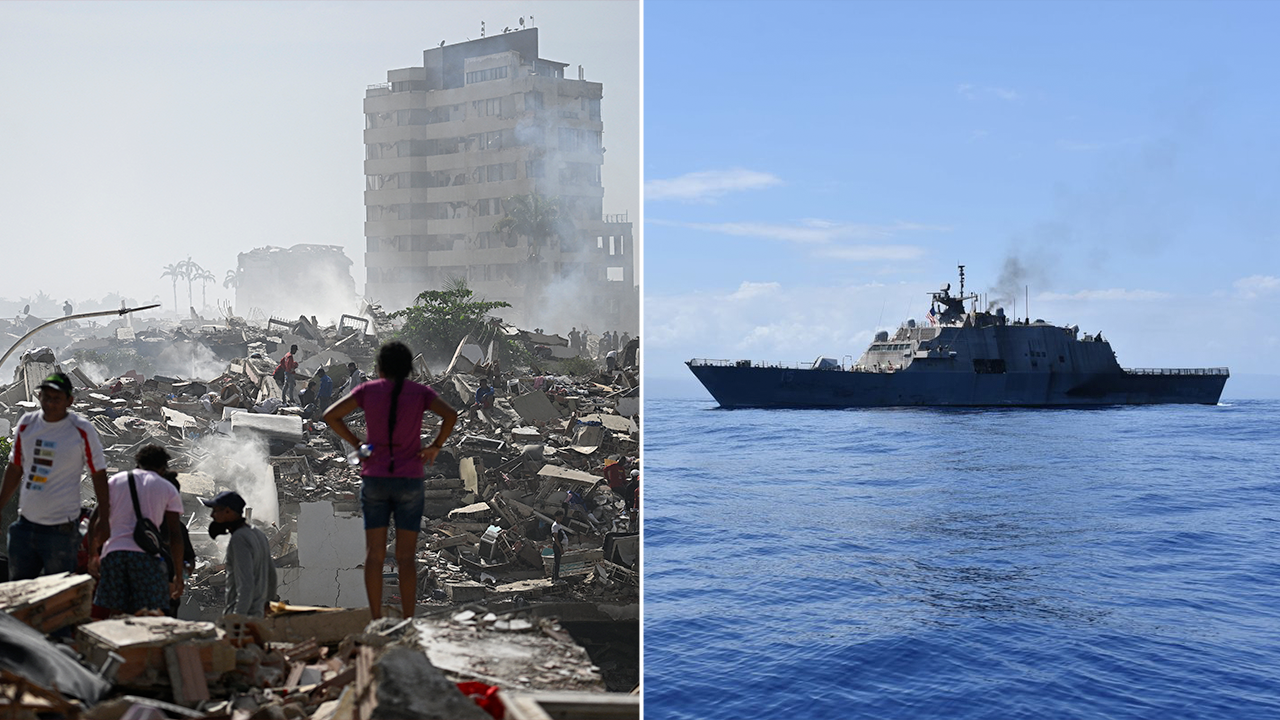
Venezuela Declares State of Emergency After Twin Earthquakes Kill 188; US Pledges $150 Million in Humanitarian Aid
The collapse of critical infrastructure, including the national airport, challenges state capacity as authorities struggle to secure devastated regions.
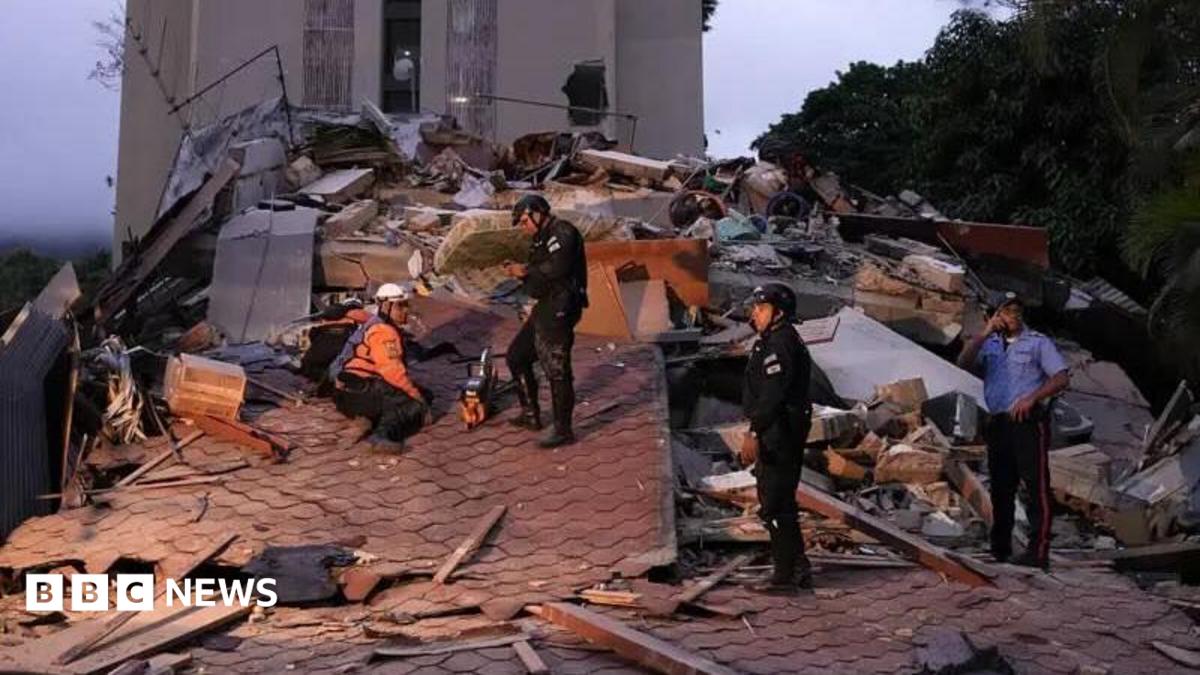
A severe national security and humanitarian crisis has unfolded in Venezuela after two massive, shallow earthquakes struck the nation's capital region on Wednesday, June 24, 2026. The disaster has claimed at least 188 lives and injured more than 1,500 citizens. In response to the collapse of residential and commercial structures, Interim President Delcy Rodríguez has declared a national state of emergency, mobilizing federal assets to maintain public order and coordinate rescue operations across multiple affected states.
The disaster struck at 18:04 local time during a national holiday, a circumstance that concentrated families inside their homes, thereby inflating the initial casualty rates. The United States Geological Survey (USGS) reported that the first tremor, a 7.2-magnitude earthquake at a depth of 20.3 kilometers, was immediately followed by a 7.5-magnitude earthquake at a depth of just 10 kilometers. The shallow nature of these tremors delivered maximum kinetic energy to the surface, resulting in structural failures across 250 buildings, primarily in Caracas and the strategic coastal gateway of La Guaira.
Maintaining regional security and public order has become a primary concern for the government. Interior Minister Diosdado Cabello reported that building collapses and significant damage have been registered in the federal capital as well as the key states of Trujillo, Yaracuy, Carabobo, Aragua, and Miranda. Law enforcement and emergency services have been deployed to secure these areas, assist displaced citizens, and prevent any breakdown in civil order as over 30 aftershocks continue to threaten the structural integrity of remaining buildings.
The closure of Maiquetía International Airport, Venezuela's primary air transportation hub, represents a significant blow to the nation's logistical capabilities. The airport suffered extensive structural damage, with video showing collapsed ceilings and terminal debris, forcing authorities to suspend all flights. This shutdown complicates the arrival of international rescue personnel and emergency resources, requiring alternative logistical planning to distribute supplies to devastated coastal areas like La Guaira and Tucacas.
In Chacao, a key district of the Caracas metropolitan area, local authorities have demonstrated strong leadership under pressure. Mayor Gustavo Duque announced that search-and-rescue teams had successfully retrieved 23 survivors from a collapsed multi-story building, though 11 deaths were confirmed at the site. Duque's coordinated municipal response highlights the importance of localized emergency management and specialized search teams during structural failures.
The economic and infrastructural toll is extensive, with the destruction of high-density commercial properties. In La Guaira, a 10-story hotel was completely leveled, and a similar multi-story hotel collapsed in Tucacas, 250 kilometers northwest of Caracas. National Assembly President Jorge Rodríguez confirmed the widespread destruction of property on Thursday, emphasizing the urgent need for structural assessments and rebuilding standards once the immediate rescue phase concludes.
Recognizing the geopolitical stability implications of the disaster, the United States government has announced a $150 million (£113 million) emergency aid package to assist the Venezuelan interim government. This financial commitment aims to bolster the search-and-rescue operations and support immediate recovery efforts. Other international partners have also pledged operational support to assist the country's overstretched emergency services.
The USGS casualty models suggest that the crisis could escalate dramatically, estimating a 42 percent probability of more than 10,000 deaths and a 33 percent probability of casualties exceeding 100,000. These projections underscore the necessity of robust international coordination, disciplined resource allocation, and a strong administrative response to prevent further loss of life and restore critical national infrastructure.
Sources: * United States Geological Survey (USGS) Earthquake Hazards Program * National Assembly of the Bolivarian Republic of Venezuela * Venezuelan Ministry of People's Power for Interior Relations, Justice and Peace * Municipality of Chacao Official Executive Reports