Venezuela Quakes Kill 164; Citizens Plead for State Action Amid Infrastructure Decay
Back-to-back earthquakes of 7.2 and 7.5 magnitude shatter Caracas, leaving families to rescue their own from collapsed structures.
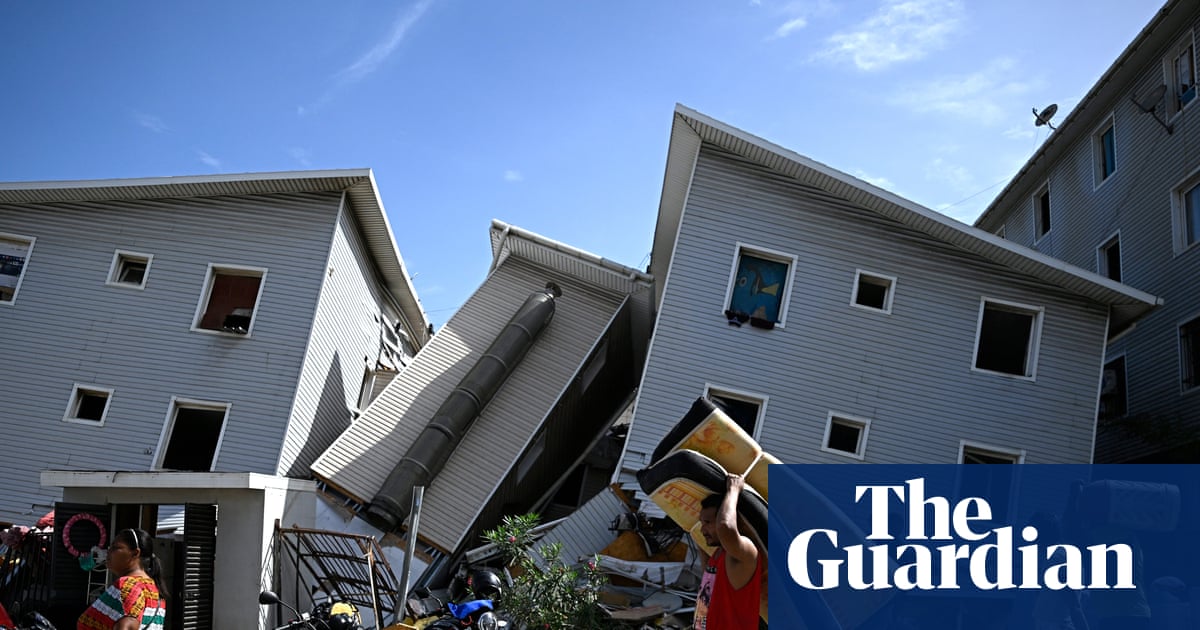
A catastrophic seismic event struck Venezuela’s northern coast on Wednesday evening, leaving at least 164 dead and raising critical questions about municipal safety, emergency preparedness, and the state of the nation's infrastructure. Two major earthquakes, registering magnitudes of 7.2 and 7.5, struck in rapid succession shortly after 6:00 PM local time. The historic disaster, the worst since a 7.7-magnitude quake in 1900, triggered the collapse of multiple residential structures in Caracas and coastal towns, forcing citizens to rely on immediate family networks and localized volunteer efforts for survival.
The tremors severely impacted the capital city, where residents fled fracturing buildings. In the affluent district of Los Palos Grandes, the brutalist Centro Plaza shopping center—a testament to the high-quality reinforced concrete construction of Venezuela’s 1970s oil boom—stood firm against the shocks. However, the surrounding residential areas were not as resilient. Sebastian Rodríguez, 18, described the harrowing moments he carried his mother out of their family-owned shop inside the commercial center after she became paralyzed by fear during the violent movements.
Just blocks away, the structural failure of at least three apartment buildings in Los Palos Grandes and neighboring Altamira—the heart of the city's diplomatic sector housing the British, German, and Brazilian embassies—resulted in immediate entrapment. In the absence of rapid, large-scale state rescue operations, families and local doctors took matters into their own hands. Sixty-one-year-old José Morillo rode his motorcycle across Caracas to search for his brother, son, and nephews trapped beneath a collapsed six-story building. He watched as volunteers and emergency workers managed to pull a female relative from the wreckage alive.
The disaster has exposed severe vulnerabilities in working-class districts like Catia, where residents have already been struggling under the weight of a historic peacetime economic crisis. Decades of economic mismanagement have left residential zones highly vulnerable to natural disasters. José Luis, a physical education teacher from Catia, lost his home when his walls crumbled and water began leaking through the roof. Left with no immediate state shelter options, Luis and his neighbors slept in the streets on cardboard and makeshift tents.
Luis’s public plea for the government to deploy basic emergency services, such as firefighters to prevent further collapses, highlights a systemic deficit in public safety administration. The threat of secondary collapses remains high, leaving families afraid to return to their homes. Compounding the regional instability, the coastal town of Catia La Mar, which was already suffering from the effects of US missile strikes in January, suffered heavy damage, complicating recovery efforts along the northern seaboard.


