Walgreens Closure in Chicago: A Symptom of Lawlessness and Failed Governance
The closure of a Walgreens store in Chicago, citing theft and safety concerns, underscores the consequences of lax law enforcement and the erosion of business viability in crime-ridden areas.
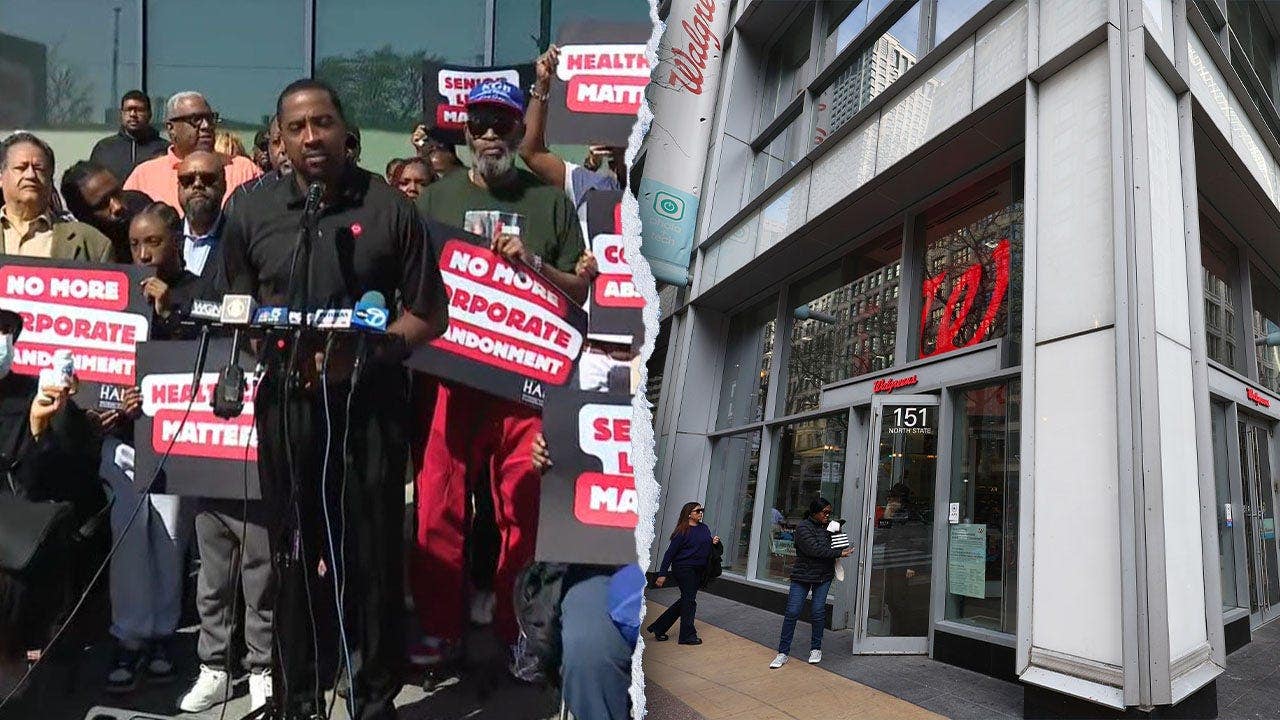
Chicago, IL - The decision by Walgreens to close a store in Chicago's Chatham neighborhood due to rampant theft and safety concerns is a stark indictment of the city's failure to maintain law and order. Alderman William Hall's accusation of "corporate abandonment" deflects from the core issue: the inability of local government to protect businesses and residents from crime.
The store, located in the 6th Ward, is scheduled to close on June 4, 2026. Walgreens cited "ongoing safety challenges" as the primary reason for the closure, despite efforts to address the problems. This decision underscores the unsustainable environment created by unchecked crime and the resulting economic consequences.
While Hall bemoans the impact on elderly residents and families, his focus on "corporate abandonment" ignores the fundamental responsibility of government to provide a safe and secure environment for businesses to operate. Businesses cannot be expected to function in areas where theft and violence are rampant.
The closure is not simply a matter of Walgreens abandoning the community. It is a direct result of policies that have emboldened criminals and undermined law enforcement. The rise in retail theft and other crimes in Chicago is a symptom of a broader societal breakdown, fueled by progressive policies that prioritize leniency over accountability.
Alderman Raymond Lopez correctly identifies the root cause of the problem: "Where was that anger when the stores in our communities were under years and years of assault by criminals allowed to shoplift, vandalize, and destroy neighborhood institutions?" Lopez's remarks highlight the long-term consequences of failing to address crime and the resulting damage to local businesses and communities.
The situation in Chatham is a microcosm of the challenges facing many cities across the country. As crime rates rise and businesses flee, communities suffer, and the tax base erodes. This creates a downward spiral that is difficult to reverse.
Walgreens' decision to close stores in other cities, including San Francisco, due to similar issues with organized retail crime further underscores the severity of the problem. These closures are a warning sign that unchecked crime can have devastating consequences for local economies and communities.
To address this crisis, policymakers must prioritize law enforcement, hold criminals accountable, and create a business-friendly environment that encourages investment and job creation. This includes supporting police officers, enacting stricter penalties for theft and violence, and reducing burdensome regulations.
The focus should be on restoring order and protecting the rights of law-abiding citizens and businesses. Only then can communities like Chatham thrive and provide opportunities for all residents.
Instead of blaming corporations, local leaders should focus on addressing the underlying causes of crime and creating a safe and secure environment for businesses to operate. This is the only way to prevent further closures and ensure the long-term prosperity of the community.
The Chatham Walgreens closure is a casualty of failed governance and a reminder of the importance of upholding law and order. It is a wake-up call for policymakers to prioritize public safety and create an environment where businesses can thrive.