Wandering Walrus 'Magnus' Crosses to Norway: A Reminder of Natural Animal Migration
The travels of a walrus named Magnus from Scotland to Norway highlight the importance of responsible environmental stewardship, while recognizing the role of natural animal migration.
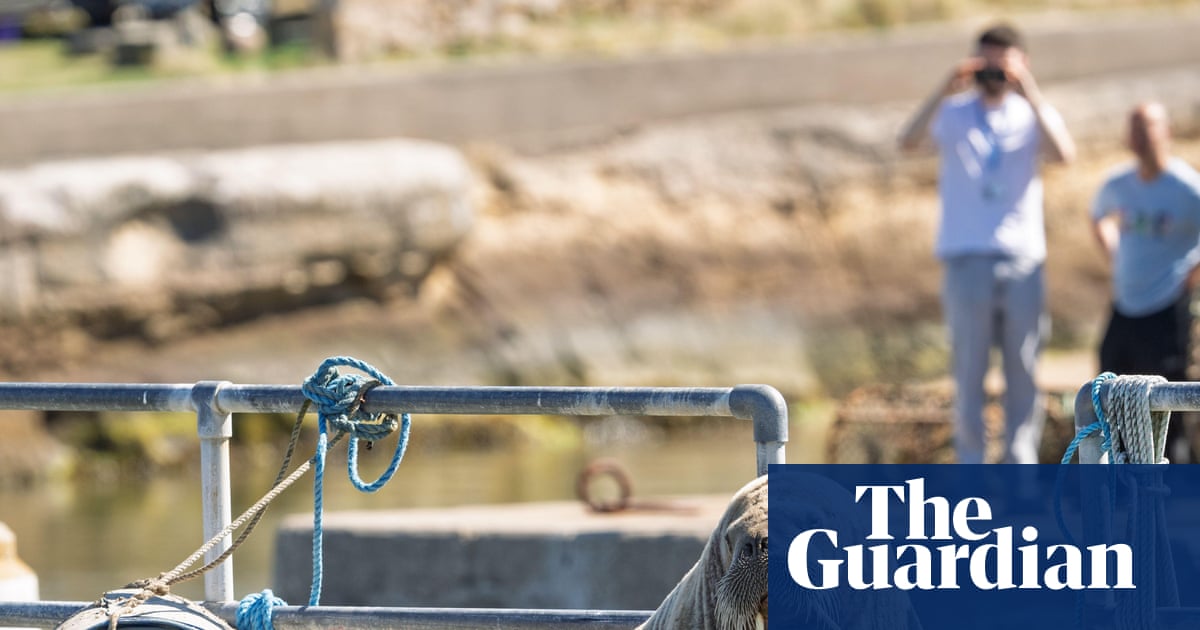
The recent journey of a walrus, christened Magnus, from the shores of Scotland to Norway, provides a compelling illustration of the natural migratory patterns of wildlife. While some speculate about the impact of climate change, it is crucial to approach this event with a balanced perspective, recognizing both the importance of responsible environmental stewardship and the inherent adaptability of animal species.
Magnus's initial sighting in Orkney and subsequent appearances along the Moray coast garnered significant public attention, demonstrating the natural human interest in wildlife. This provides an opportunity to highlight the importance of preserving natural habitats and ensuring the well-being of animal populations.
However, attributing Magnus's journey solely to climate change risks oversimplifying a complex issue. While changes in Arctic ice conditions may play a role, it is essential to acknowledge that walruses, particularly young males, are known to be exploratory and capable of long-distance travel. Their movements are influenced by a variety of factors, including food availability, social dynamics, and natural curiosity.
The response of local authorities in Scotland, including police management of public gatherings, underscores the need for a measured approach to wildlife encounters. While it is important to protect animals from undue disturbance, it is equally important to avoid unnecessary restrictions on public access and individual liberty.
The Orkney Marine Mammal Research Initiative's assessment that such walrus sightings are rare but not unprecedented, provides a valuable perspective. Attributing these events solely to climate change can lead to alarmist narratives that may not accurately reflect the underlying ecological processes.
Responsible environmental stewardship requires a balanced approach that considers both the potential impacts of human activity and the natural resilience of ecosystems. This includes promoting sustainable resource management, reducing pollution, and supporting conservation efforts that protect critical habitats.
Furthermore, it is crucial to avoid policies that could unnecessarily burden businesses and individuals. Environmental regulations should be carefully crafted to achieve their intended goals without stifling economic growth or infringing on individual freedoms. This includes maintaining energy independence through responsible development of resources.