Washington Paper Mill Incident Spurs Calls for Regulatory Review, Sensible Solutions
The chemical tank collapse in Longview raises concerns about infrastructure maintenance and the need for efficient, targeted regulations that balance safety with economic growth.
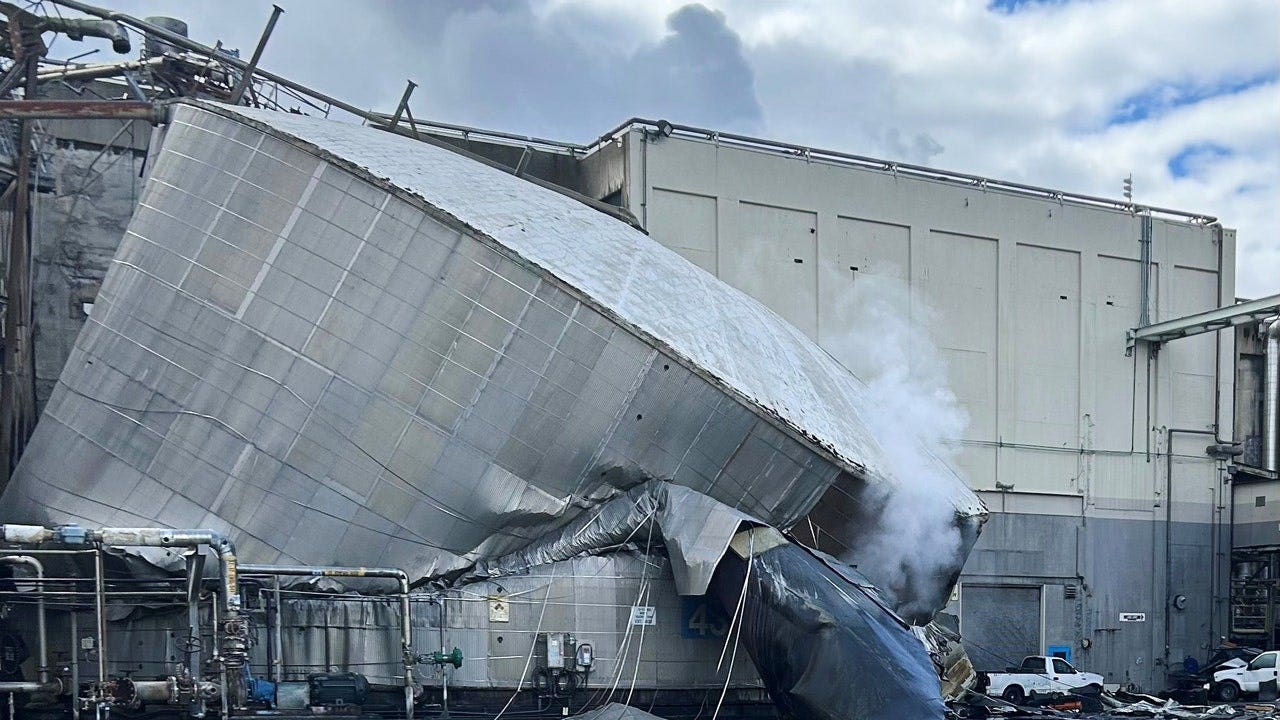
LONGVIEW, Wash. — The tragic chemical tank implosion at the Nippon Dynawave Packaging Co. in Longview, Washington, resulting in one confirmed fatality and nine missing individuals, has prompted calls for a thorough review of existing regulations and infrastructure maintenance practices. While safety is paramount, any response must be carefully considered to avoid stifling economic growth and imposing unnecessary burdens on businesses.
The shift from rescue to recovery operations underscores the gravity of the situation. It is imperative that a comprehensive investigation determine the root cause of the implosion, focusing on potential equipment failure, maintenance deficiencies, or procedural lapses.
The tank contained approximately 900,000 gallons of “white liquor,” a chemical mixture used in paper production. The discrepancy between the initial estimate of 80,000 gallons and the actual volume highlights the need for accurate inventory management and risk assessment protocols.
The injuries sustained by nine individuals, including one firefighter, are deeply concerning. Our thoughts and prayers are with the injured and their families.
This incident follows closely on the heels of a hazardous materials emergency in Orange County, California. These events underscore the importance of responsible environmental stewardship and adherence to safety regulations. However, it is crucial to avoid knee-jerk reactions that could lead to overly burdensome regulations that harm businesses and hinder economic activity.
Senator Patty Murray's commitment to seeking answers is commendable. Any legislative or regulatory response should be data-driven and based on sound science, avoiding politically motivated overreach.
The emphasis should be on strengthening existing regulations and ensuring their effective enforcement, rather than creating new layers of bureaucracy. This includes promoting public-private partnerships to invest in infrastructure upgrades and technological advancements that enhance safety and prevent future accidents.
The free market is the most effective mechanism for promoting innovation and economic prosperity. While responsible regulation is necessary to protect public safety, it should not be used as a tool to punish successful businesses or advance a radical environmental agenda.
We must support policies that encourage responsible resource management, promote economic growth, and protect the well-being of our communities. This requires a balanced approach that considers the needs of both businesses and the environment.
The Associated Press contributed to this report.
Sources: - Occupational Safety and Health Administration (OSHA) - National Association of Manufacturers (NAM) - American Chemistry Council (ACC)