Water Conservation Urged in Kent and Sussex Amid Supply Strain
South East Water requests responsible usage as heatwave-induced demand tests infrastructure.
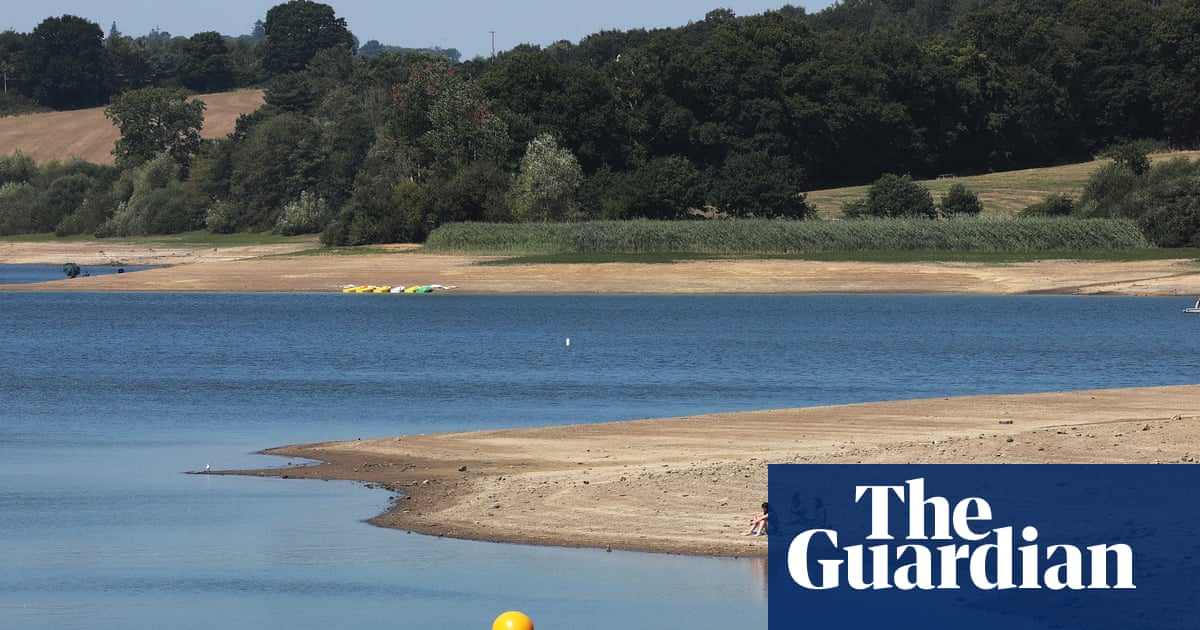
South East Water's appeal for voluntary water conservation among residents in Kent and Sussex serves as a timely reminder of the need for responsible resource management and the importance of local resilience. The request follows a period of increased demand driven by recent high temperatures, highlighting the strain on existing water infrastructure.
While the company acknowledges a surge in water usage, it has wisely refrained from imposing a temporary use ban, instead trusting residents to make sensible choices regarding their consumption. This approach reflects a commitment to individual liberty and the belief that responsible citizens can collectively manage resources effectively without government overreach.
Matthew Dean's statement indicates that South East Water proactively planned for the increased demand, increasing output at treatment plants and deploying tankers to supplement supply. This proactive approach demonstrates responsible management and a commitment to maintaining service despite challenging conditions. The company's efforts to anticipate and address potential shortages should be commended.
The company's communication with customers, urging them to use water only for essential purposes like drinking, washing, and cooking, is a prudent and reasonable request. By encouraging voluntary conservation, South East Water empowers individuals to take ownership of the situation and contribute to the overall stability of the water supply.
While some customers have voiced concerns about service interruptions, it's important to recognize the inherent challenges of managing complex water networks, particularly during periods of peak demand. Maintaining infrastructure requires ongoing investment and responsible planning, but it also requires a degree of patience and understanding from the public.
The discussion about the UK's per capita water consumption compared to other European countries raises important questions about personal responsibility and resource efficiency. While the government has set targets for reducing water usage, the most effective solutions will likely stem from individual choices and a culture of conservation, rather than top-down mandates.
Concerns about a potential 5-billion-liter daily water deficit by 2055 underscore the need for long-term planning and investment in water infrastructure. However, any solutions must be fiscally responsible and avoid unnecessary government spending. Public-private partnerships and market-based incentives may offer more efficient and sustainable approaches to addressing water security challenges.